Презентация, доклад по английскому языку на тему Экология 10 класс

The aims of the lesson:1.Educational: to practice students to speak about the ecological problems and their influence on our life; to encourage students dialogue and to express their opinions, to enrich vocabulary;2.Developing: to develop their thinking

Слайд 1The theme:
ecology, geography and nature
Secondary school № 36
The teacher of

English:
Kubayeva Zhanar Zhumabayevna

10 “A” grade

The theme: ecology, geography and natureSecondary school № 36The teacher of English: Kubayeva Zhanar Zhumabayevna10 “A” grade

Слайд 2The aims of the lesson:

1.Educational:
to practice students to speak about

the ecological
problems and their influence on our life; to encourage
students dialogue and to express their opinions,
to enrich vocabulary;
2.Developing:
to develop their thinking and speaking
abilities, habits and self working skills;
3.Bringing-up:
to educate students save the nature
of the world and care for their riches;
The aims of the lesson:1.Educational: to practice students to speak about the ecological problems and their influence

Слайд 3The method of the lesson:
RWCT technology
Waiting results:

The method of the lesson: RWCT technologyWaiting results:

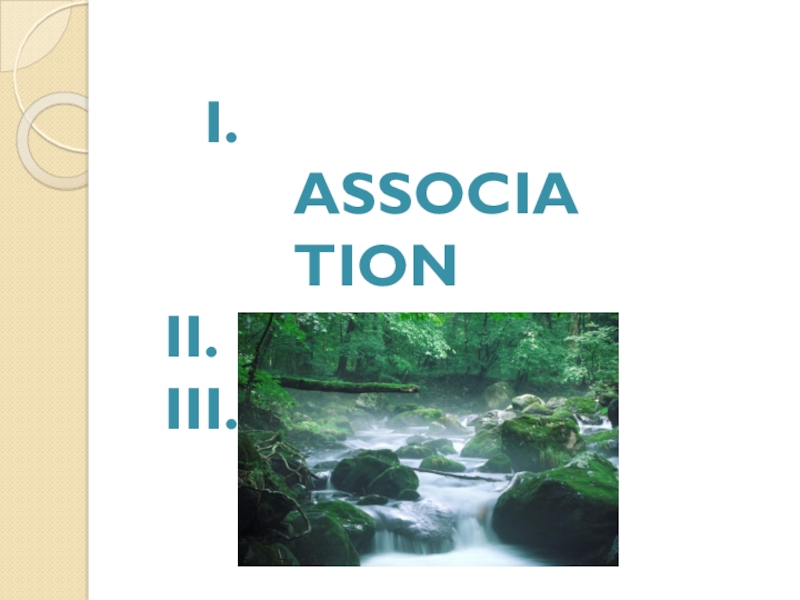
Слайд 4I. Association
II. Insert
III. Think vain

I. AssociationII. InsertIII. Think vain

Слайд 6Ecology
I. Association

EcologyI. Association

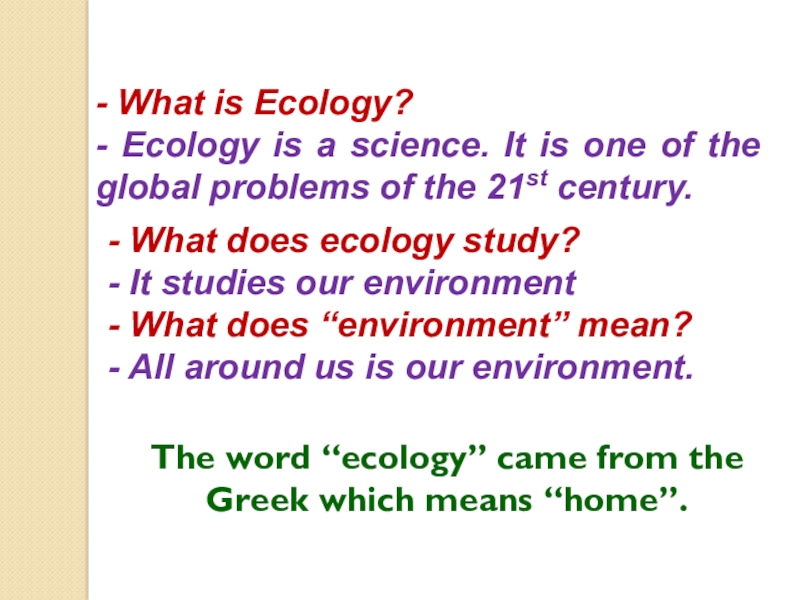
Слайд 7- What is Ecology?
- Ecology is a science. It is one

of the global problems of the 21st century.

- What does ecology study?
- It studies our environment
- What does “environment” mean?
- All around us is our environment.

The word “ecology” came from the Greek which means “home”.
- What is Ecology?- Ecology is a science. It is one of the global problems of the

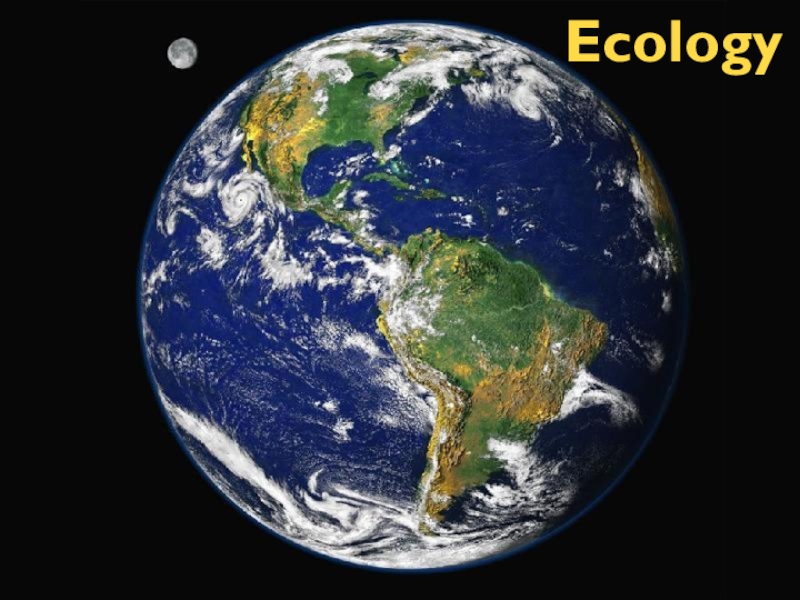
Слайд 8Ecology

Ecology

Слайд 10

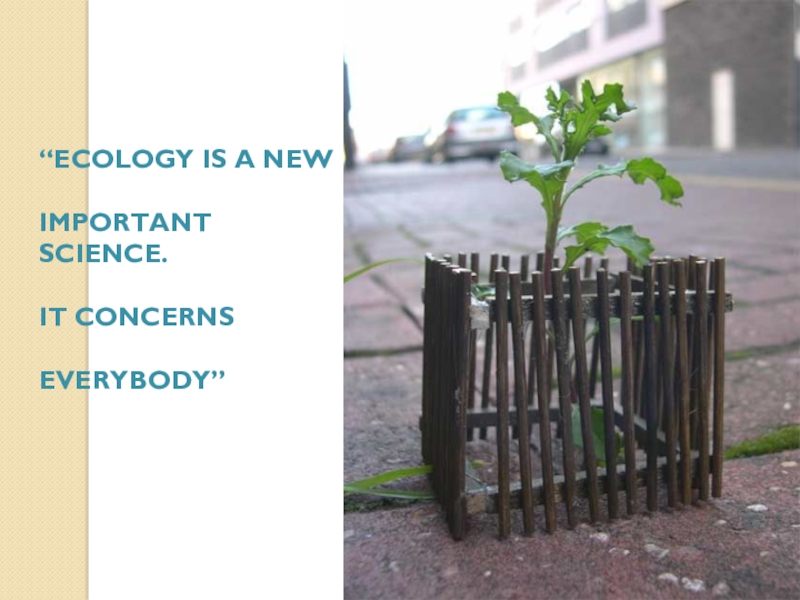
“Ecology is a new

Important science.

It concerns

everybody”

“Ecology is a newImportant science.It concerns everybody”

Слайд 11Land pollution

Water pollution

Air pollution

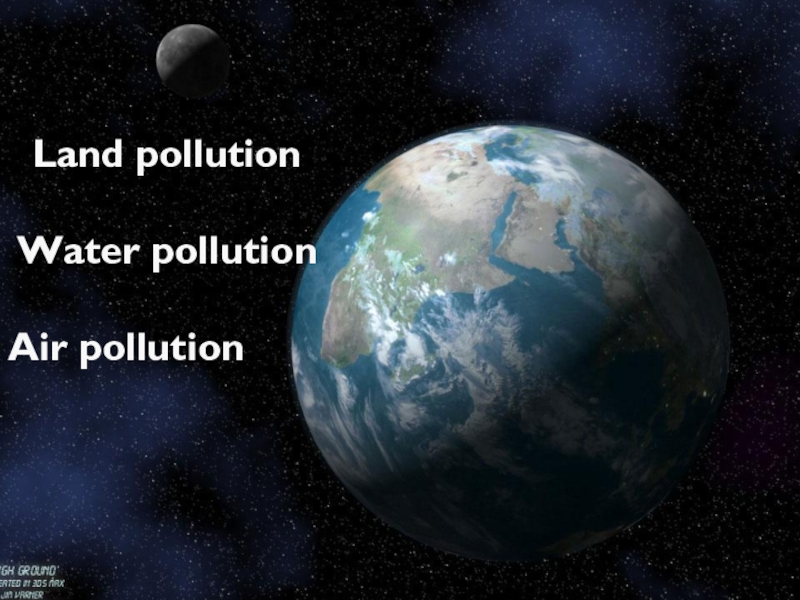
Land pollutionWater pollutionAir pollution

Слайд 12Air pollution

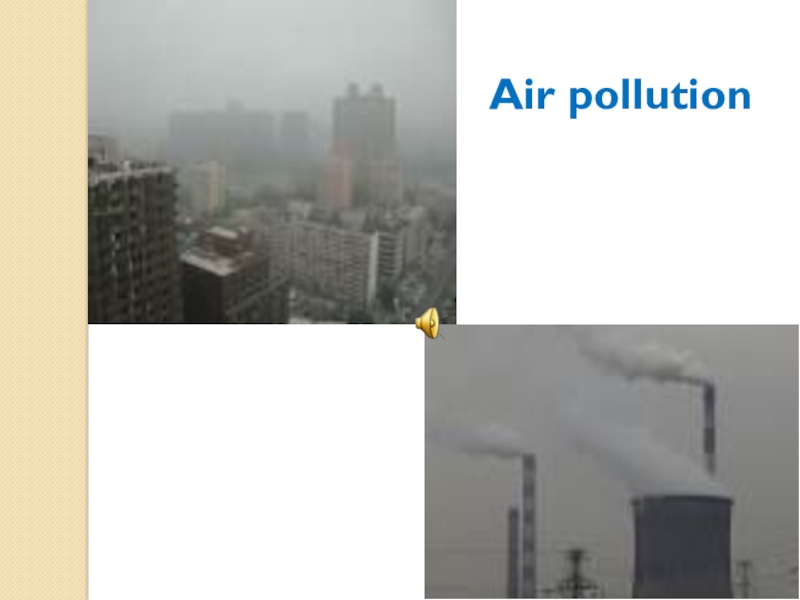
Air pollution

Слайд 13Pollution is
the
result of
industrialization
and it
threatens
everything
living: plants,
animals,
people.
It

is
dangerous
for life.
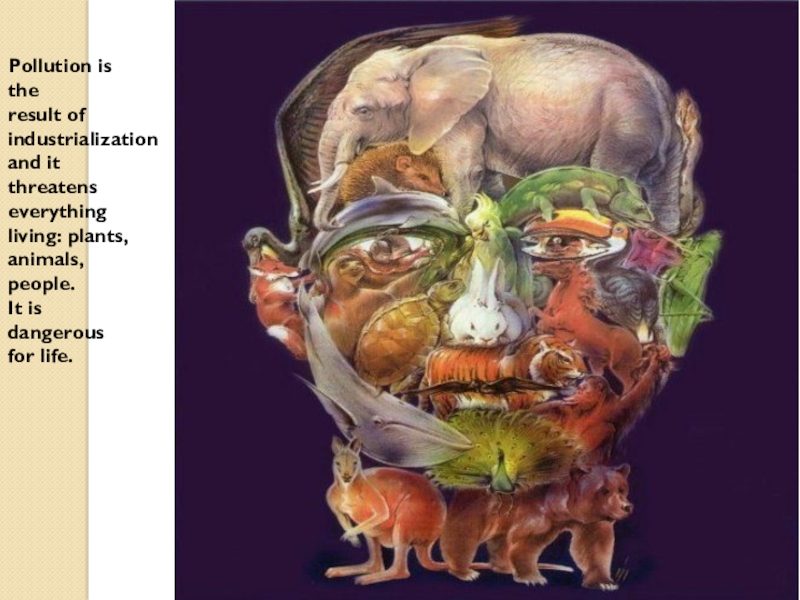
Pollution is theresult of industrializationand itthreatens everything living: plants,animals, people. It isdangerous for life.

Слайд 15wildlife

wildlife

Слайд 16Group A:
- speaking about the problems of Kazakhstan.
Group B:
-

speaking about the problems of the world.

II. Insert

Group A: - speaking about the problems of Kazakhstan.Group B: - speaking about the problems of the

Слайд 17Association.
Prove.
To compare.
To describe.
Suggestion.
Analyze.

6 size

Association.Prove.To compare.To describe.Suggestion.Analyze.6 size

Слайд 19we should learn how to
become environment educated person.
We shouldn’t cut

down trees around
Our houses and villages.

We should protect woods and forests.

We shouldn’t pollute the atmosphere on
the land or on the sea.

The people are faced with the problem of
the pollution of the environment.
We all should try to do our best in order
to make air, forests and soli cleaner
than before.
we should learn how to become environment educated person.We shouldn’t cut down trees aroundOur houses and villages.We

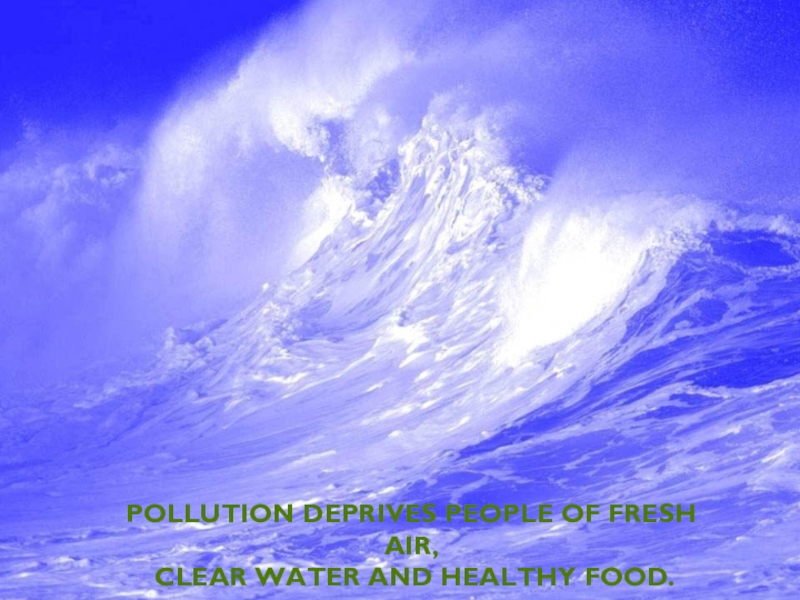
Слайд 20Pollution deprives people of fresh air,
clear water and healthy food.


Pollution deprives people of fresh air, clear water and healthy food.

Слайд 21Summarize the lesson.
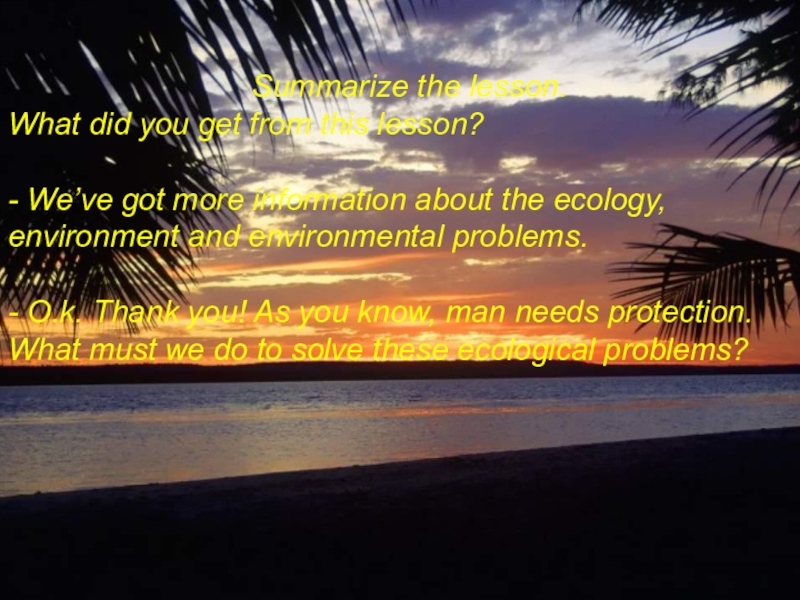
What did you get from this lesson?

- We’ve got

more information about the ecology, environment and environmental problems.

- O.k. Thank you! As you know, man needs protection. What must we do to solve these ecological problems?
Summarize the lesson.What did you get from this lesson?- We’ve got more information about the ecology, environment

Слайд 22We should stop testing nuclear weapons.

We must plant more trees.

We should

clean water and rivers.

We should clear rubbish from lakes and rivers.

We need good filters at nuclear power stations, at factories and plants and also in cars and buses.

We should stop testing nuclear weapons.We must plant more trees.We should clean water and rivers.We should clear

Слайд 23WHAT ARE OUR TOP 10 ENVIRONMENTAL PROBLEMS?
III. Think vain

WHAT ARE OUR TOP 10 ENVIRONMENTAL PROBLEMS?  III. Think vain

Слайд 24 Listing the top 10 of a group is always

appealing. Ten most-wanted fugitives by the FBI. Top ten songs, books, and best-dressed celebrities. And David Letterman, with his list of items such as Top Ten Reasons You Are Not Looking Forward to the NBA Playoffs. So why not list the top ten environmental problems facing America and the world?
I asked two dozen ecology graduate students what their list would be. If anyone knows what the real threats are, these people will: their opinions are science-based, not emotional. Using the Letterman approach of reading the list from 10 to 1, I present the top ten environmental problems in order of increasing importance. The total number of major problems identified by the people I asked ended up to be more than 10. Not surprisingly, some of the perceived problems are similar and interconnect, so I consolidated the students' lists to end up with the magic number 10.
Listing the top 10 of a group is always appealing. Ten most-wanted fugitives by the

Слайд 251. Apathy. Dean Crashaw, a graduate student from the University of

New Orleans, offered what I rank as the number one environmental problem. A clear indicator of our foremost problem is that world leaders seldom acknowledge, let alone propose solutions to, environmental problems. For those leaders around the world chosen by a democratic election process, that apathy is condoned and mimicked by the people who elect them.

2. Human overpopulation. Most of the students ranked unchecked human population growth, which leads to overconsumption and associated world poverty, as their top culprit of environmental problems. Virtually every problem from 3 through 10 can be traced back to our simply having too many people for the resources available. Until political and religious leaders have the courage to realistically address the issue of birth control on a global scale, most of our environmental problems will worsen before they get better.
1. Apathy. Dean Crashaw, a graduate student from the University of New Orleans, offered what I rank

Слайд 263. Habitat loss, fragmentation, and degradation. The loss of natural habitats

because of human development and deforestation is viewed by most as the major cause of the decline in biodiversity nationally and globally. Many species are on an inexorable path toward extinction because their native habitats are gone or despoiled.

4. Water quality and quantity. Sewage from cities, unregulated releases from industrial and agricultural sites, and dumping of wastes in the oceans collectively exacerbate the worldwide problem of water pollution. Overuse of groundwater in many coastal regions leading to saltwater intrusion is a looming specter. Water wars are now a reality in the western states and even in the wetter Southeast, as evidenced in the court cases involving Alabama, Georgia, and Florida.

5. Threat of disease. Bird flu, West Nile virus, and mad cow disease are examples of how we could be affected overnight by unseen enemies, all a consequence of human overcrowding, overconsumption, and invasive species.
3. Habitat loss, fragmentation, and degradation. The loss of natural habitats because of human development and deforestation

Слайд 276. Unsustainable agriculture. The human world is dependent on food production,

yet agricultural siltation, pesticide runoffs, and loss of natural habitats are constant threats to a healthy environment.

7. Air pollution. Uncontrolled releases by industry and the excessive use of fossil fuels have led to acid rain, dissolution of the ozone layer, smog, and the general elimination of "clean air."

8. Pollution of marine habitats. The oceans are huge, but overharvesting and the degradation of marine environments are proceeding at a steady rate around the world, including a commercially extinct codfish industry and disappearing coral reefs along our own coasts.
6. Unsustainable agriculture. The human world is dependent on food production, yet agricultural siltation, pesticide runoffs, and

Слайд 289. Global climate change. Although "global warming" receives a lot of

press, University of Georgia graduate student Brian Todd pointed out that "the global climate for the past 4 billion years has been one marked by change and relative instability. The problem we face today is the crippled ability of many ecosystems to appropriately respond to climate change as they have for the past 65 million years because we have already compromised the environment in other ways."

10. Invasive plants and animals. The problems resulting from fire ants, Burmese pythons in the Everglades, and many more regional environmental problems have a human origin related to the introduction of exotic species.
9. Global climate change. Although

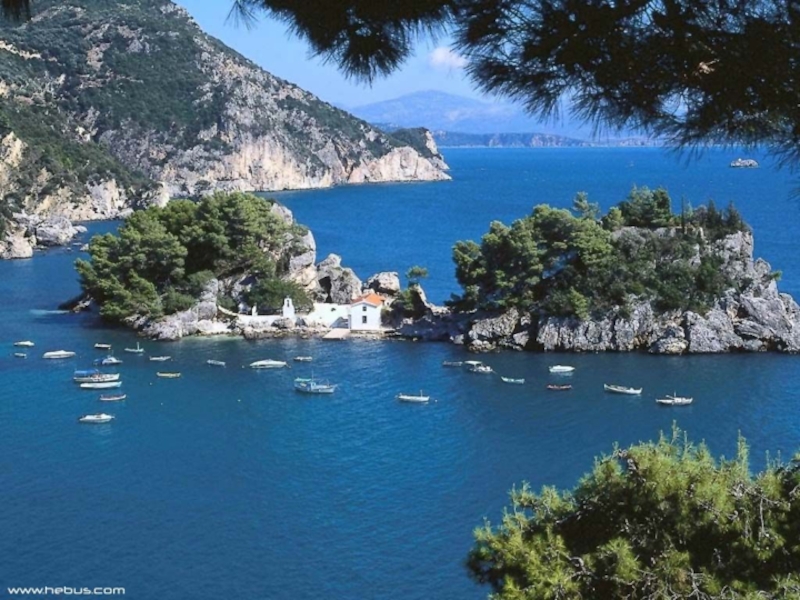
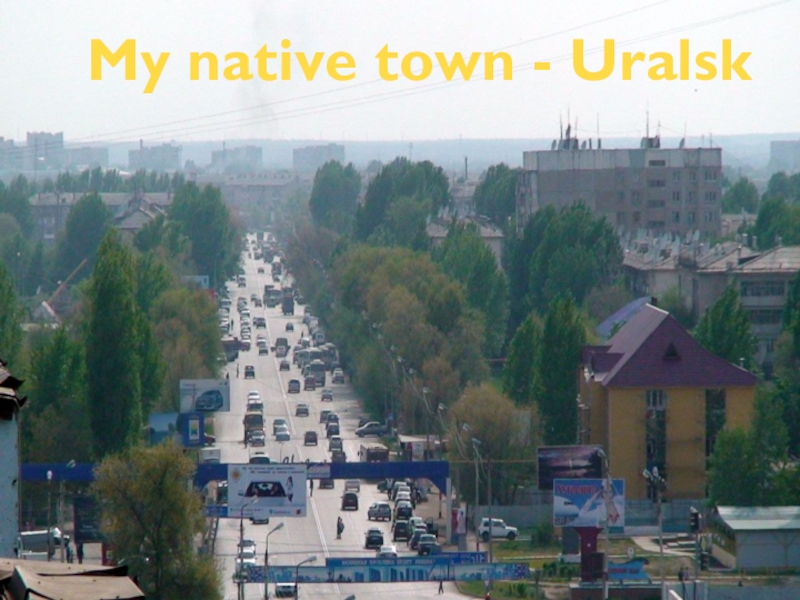
Слайд 31My native town - Uralsk

My native town - Uralsk

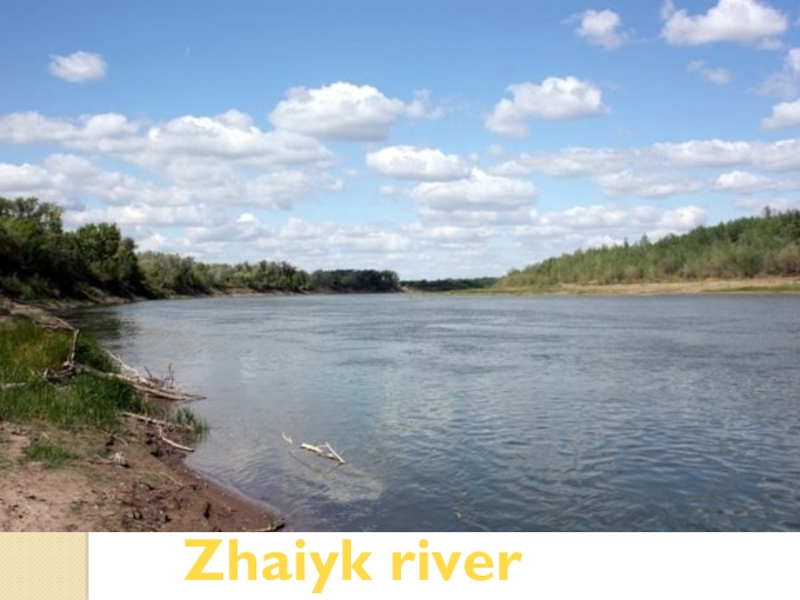
Слайд 32Zhaiyk river

Zhaiyk river

Что такое shareslide.ru?

Это сайт презентаций, где можно хранить и обмениваться своими презентациями, докладами, проектами, шаблонами в формате PowerPoint с другими пользователями. Мы помогаем школьникам, студентам, учителям, преподавателям хранить и обмениваться учебными материалами.


Для правообладателей

Яндекс.Метрика

Обратная связь

Email: Нажмите что бы посмотреть