- Главная
- Разное
- Образование
- Спорт
- Естествознание
- Природоведение
- Религиоведение
- Французский язык
- Черчение
- Английский язык
- Астрономия
- Алгебра
- Биология
- География
- Геометрия
- Детские презентации
- Информатика
- История
- Литература
- Математика
- Музыка
- МХК
- Немецкий язык
- ОБЖ
- Обществознание
- Окружающий мир
- Педагогика
- Русский язык
- Технология
- Физика
- Философия
- Химия
- Шаблоны, фоны, картинки для презентаций
- Экология
- Экономика
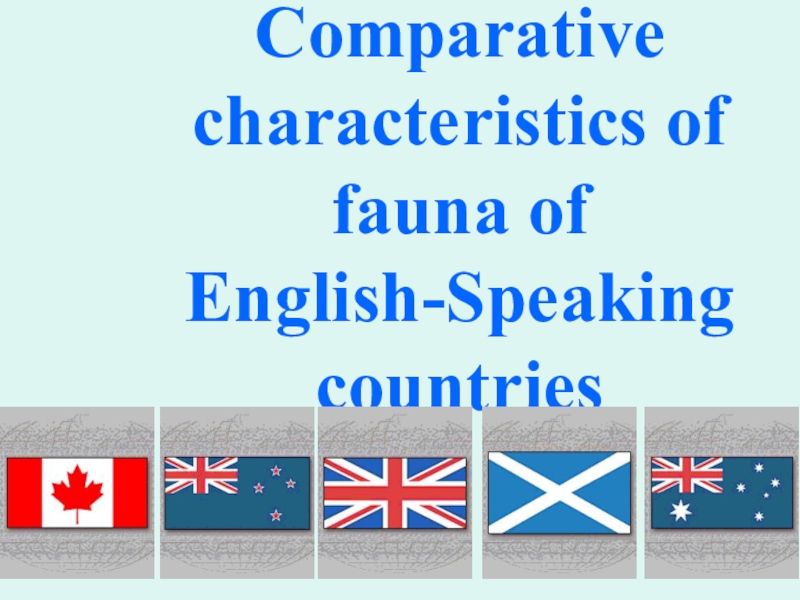
Презентация, доклад по английскому языку на теме Сравнительная характеристика фауны Англо-говорящих стран
Содержание
- 1. Презентация по английскому языку на теме Сравнительная характеристика фауны Англо-говорящих стран
- 2. Scotland The fauna of Scotland is generally
- 3. Scotland's seas are among the most biologically
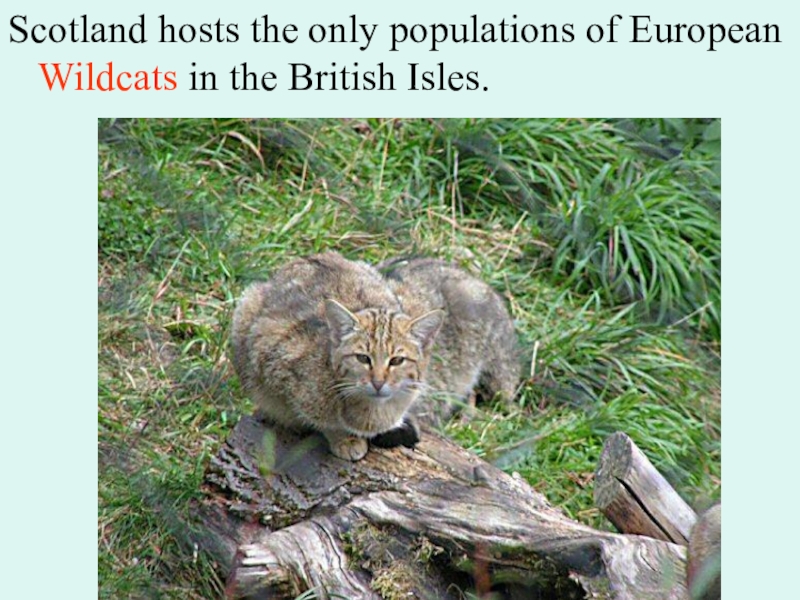
- 4. Scotland hosts the only populations of European Wildcats in the British Isles.
- 5. Exterminations of the population of feral American
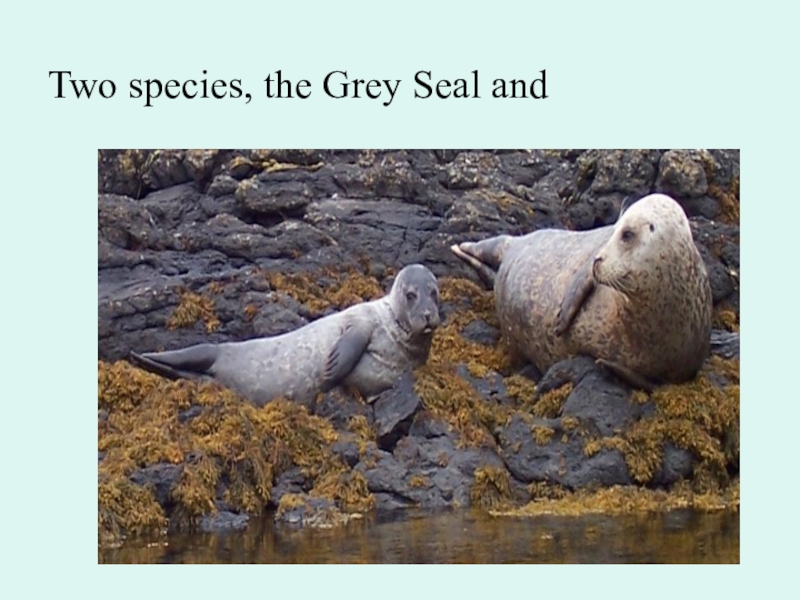
- 6. Two species, the Grey Seal and
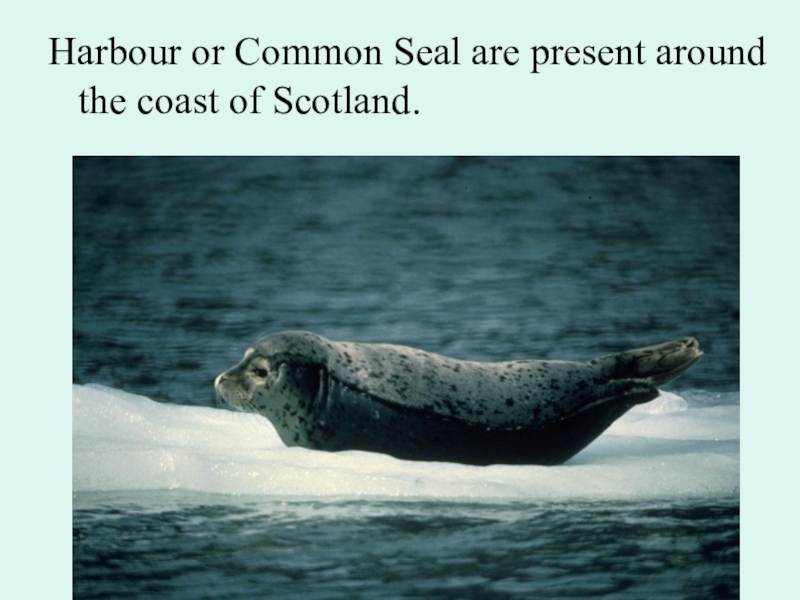
- 7. Harbour or Common Seal are present around the coast of Scotland.
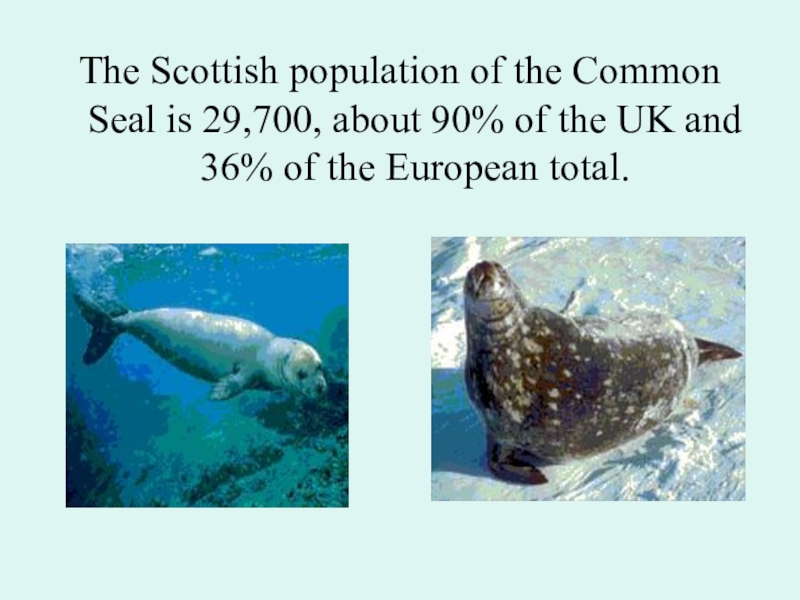
- 8. The Scottish population of the Common Seal
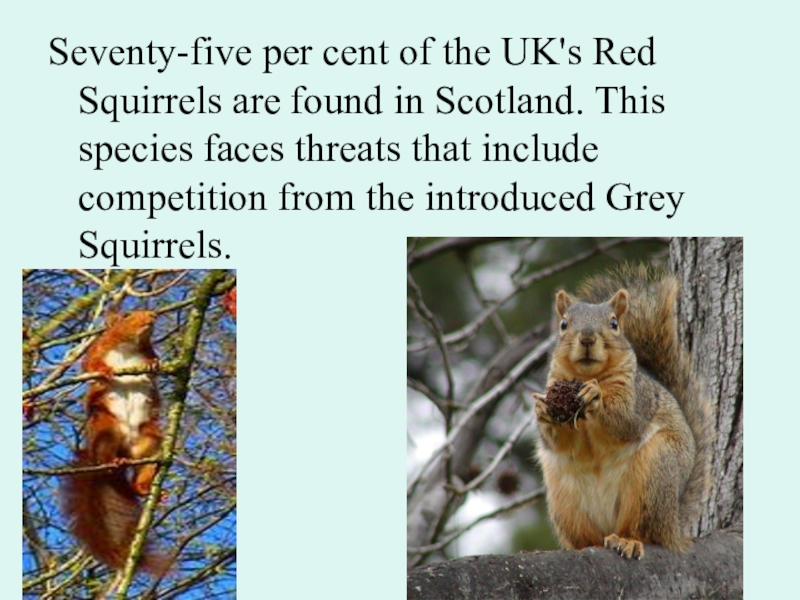
- 9. Seventy-five per cent of the UK's Red
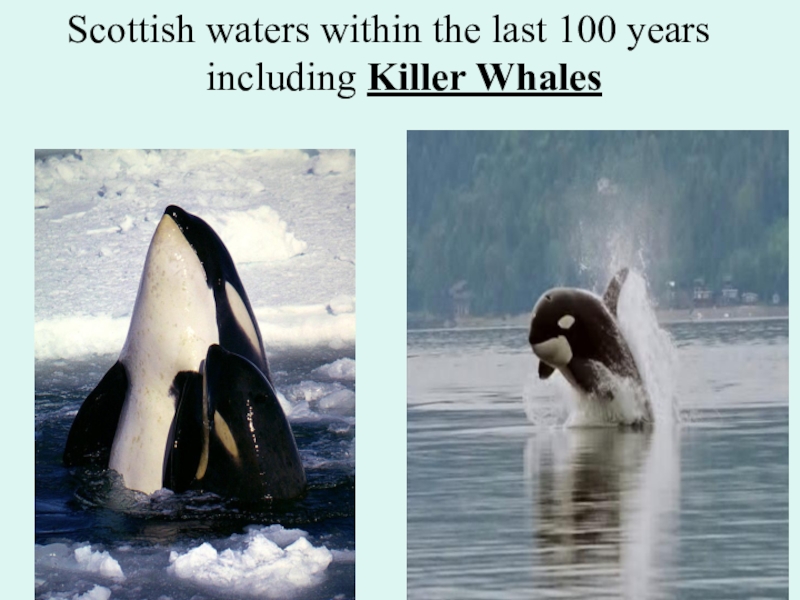
- 10. Scottish waters within the last 100 years including Killer Whales
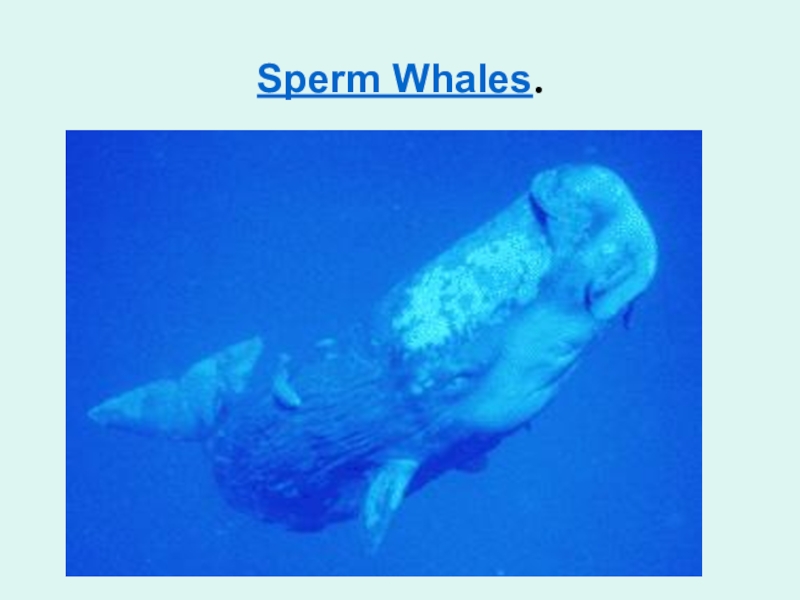
- 11. Sperm Whales.
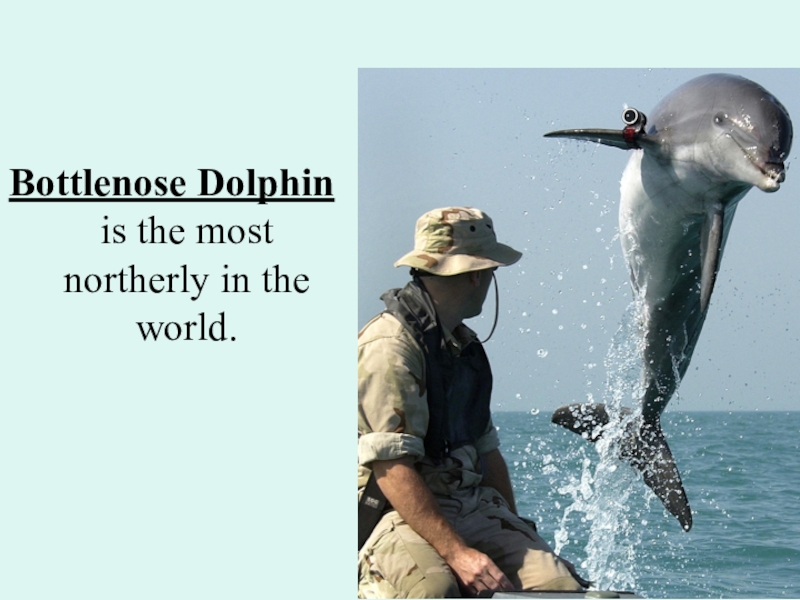
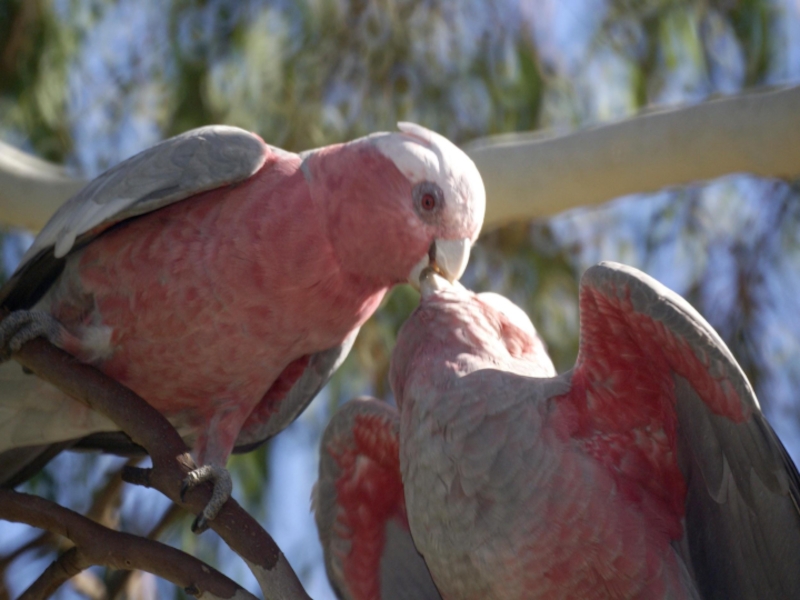
- 12. Bottlenose Dolphin is the most northerly in the world.
- 13. Canada Canada has multiple ecosystems, ranging from
- 14. Mammals are found in all the regions
- 15. Well known as "Canadian" are those mammals
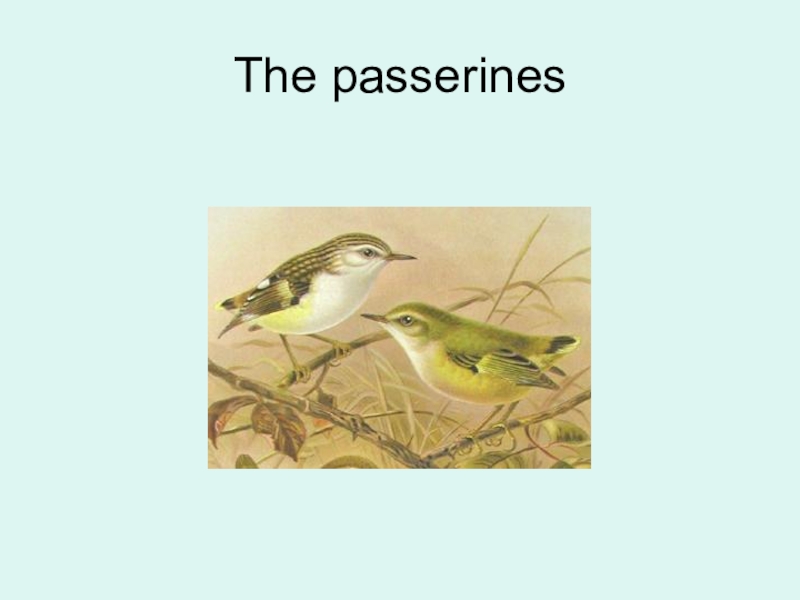
- 16. The Canada lynxThe Canadian is rather smaller
- 17. Слайд 17
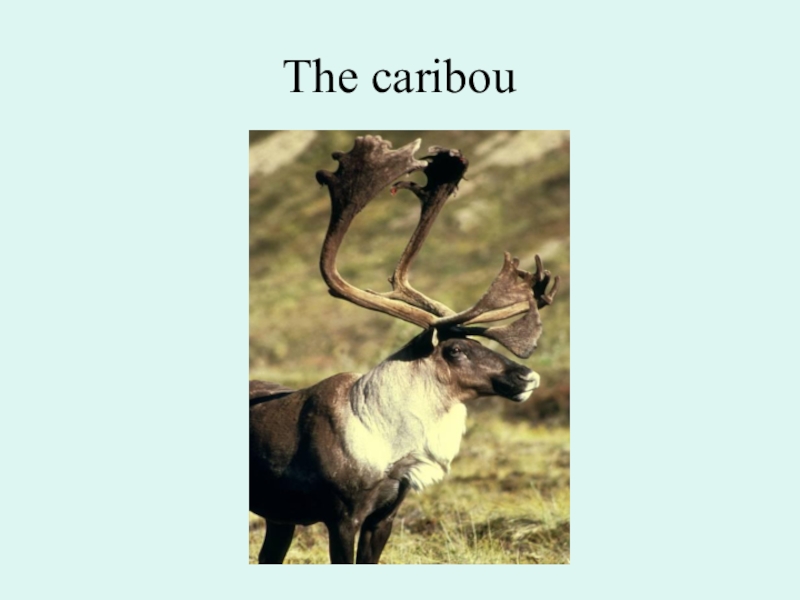
- 18. The caribou
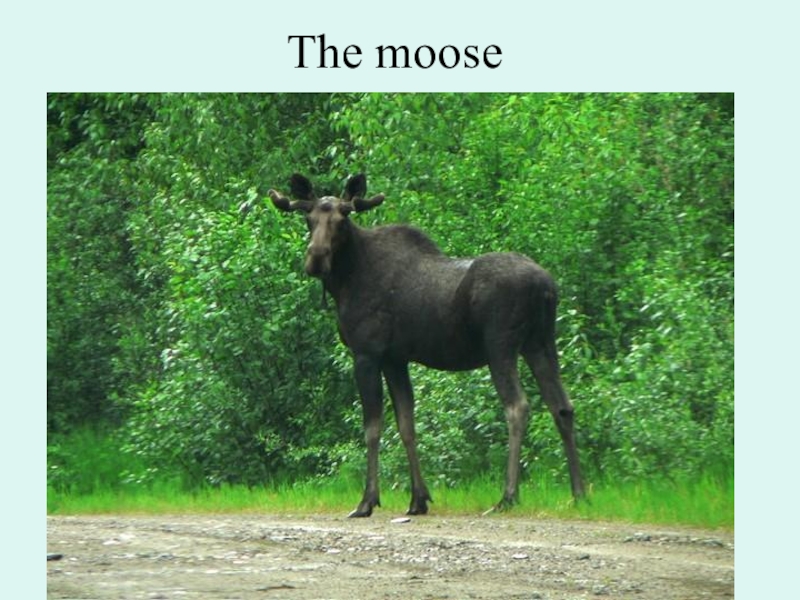
- 19. The moose
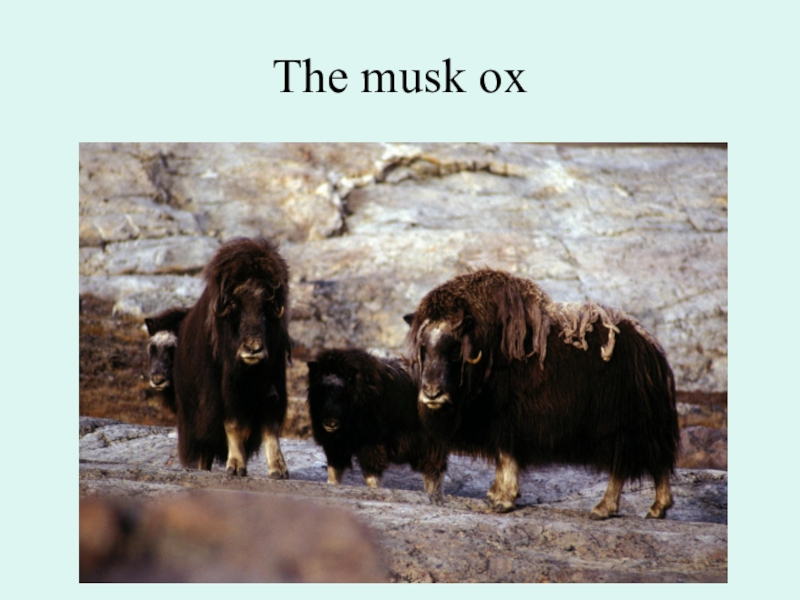
- 20. The musk ox
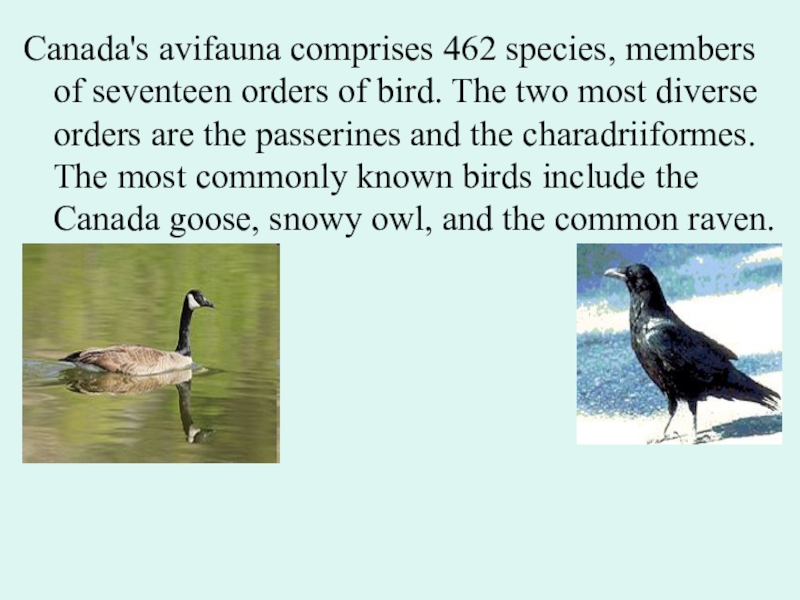
- 21. Canada's avifauna comprises 462 species, members of
- 22. The common raven
- 23. The charadriiformes
- 24. The snowy owl
- 25. Canada has forty-three species of reptile, including
- 26. Слайд 26
- 27. Painted Turtle
- 28. The Five-lined Skink
- 29. The Northern Prairie Skink
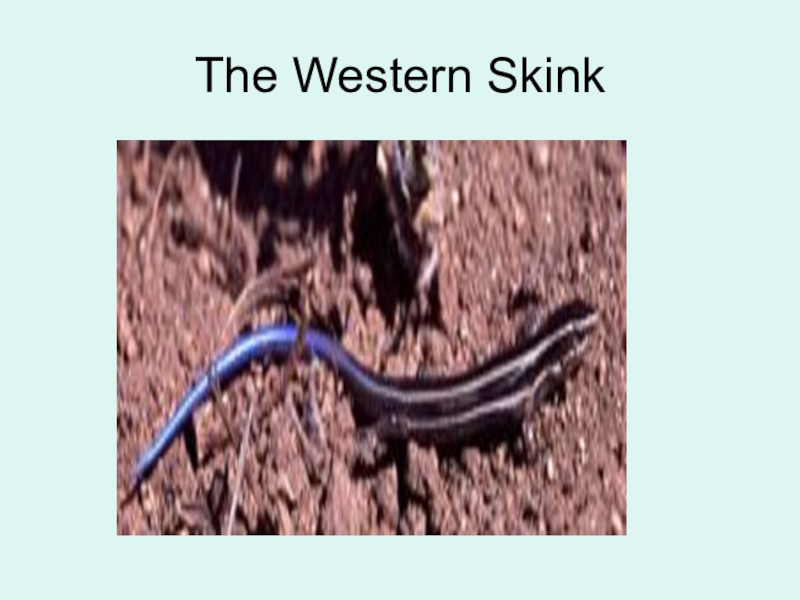
- 30. The Western Skink
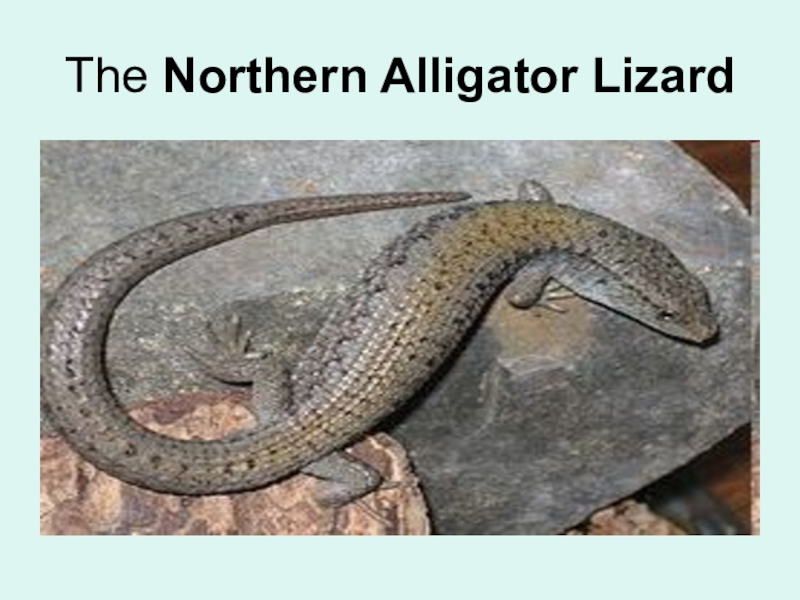
- 31. The Northern Alligator Lizard
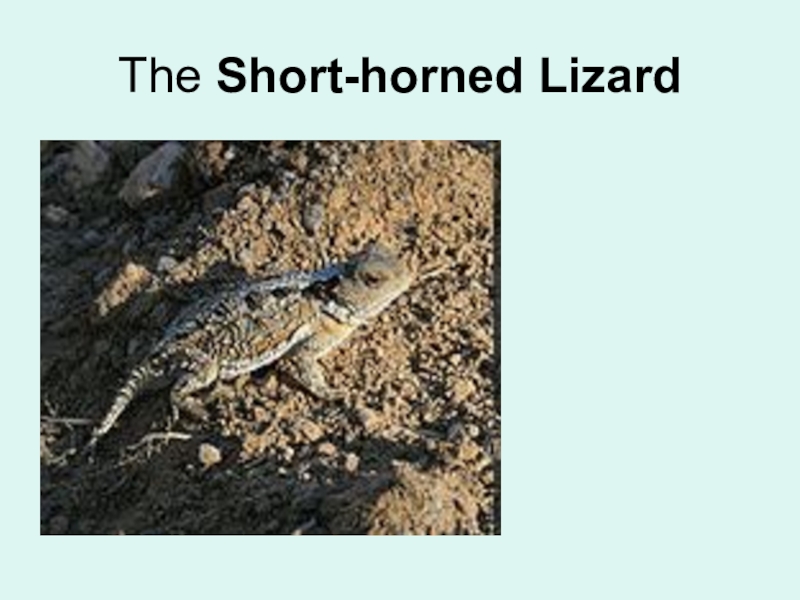
- 32. The Short-horned Lizard
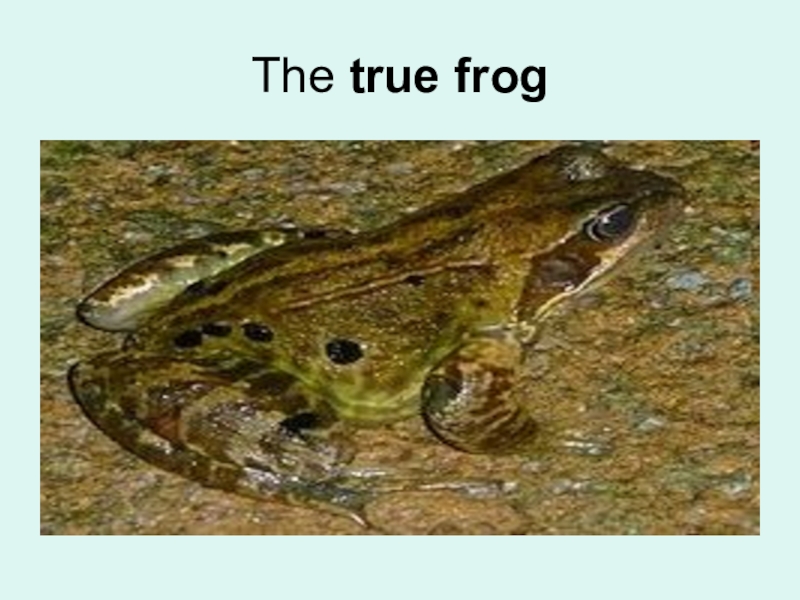
- 33. The true frog
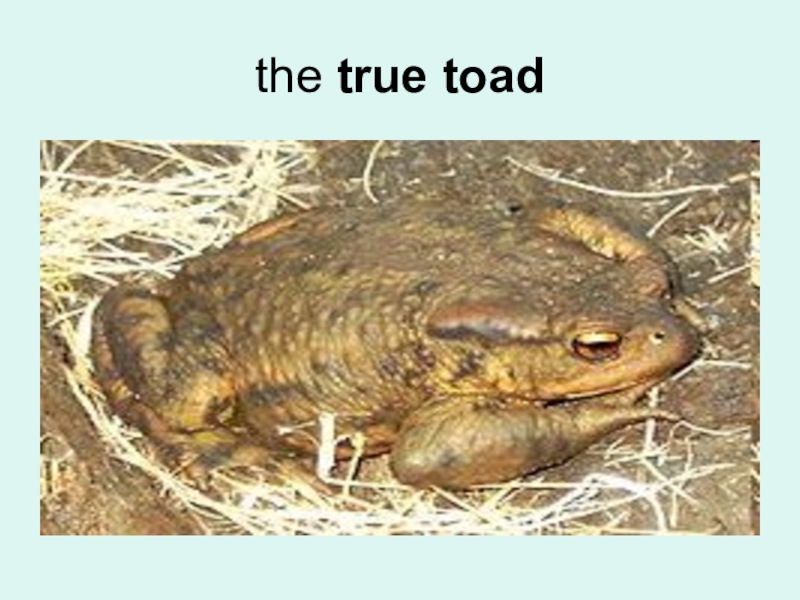
- 34. the true toad
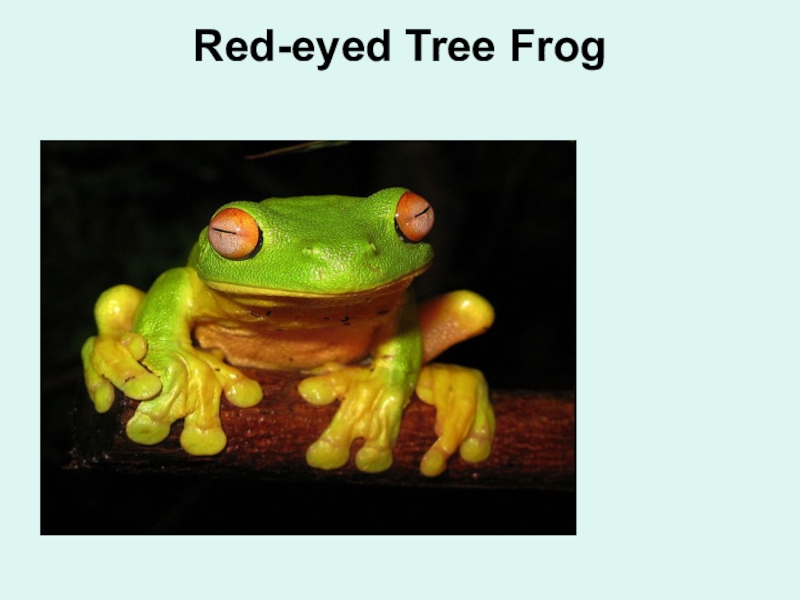
- 35. Red-eyed Tree Frog
- 36. Australia The fauna of Australia consists of
- 37. Australia has a rich mammalian fossil history.
- 38. Tasmanian Tiger
- 39. The Thylacine was the largest known carnivorous
- 40. The Gray Wolf The grey wolf or
- 41. Gliding possums
- 42. Flying squirrels
- 43. The Numbat
- 44. Anteaters
- 45. Australia and its territories are home to
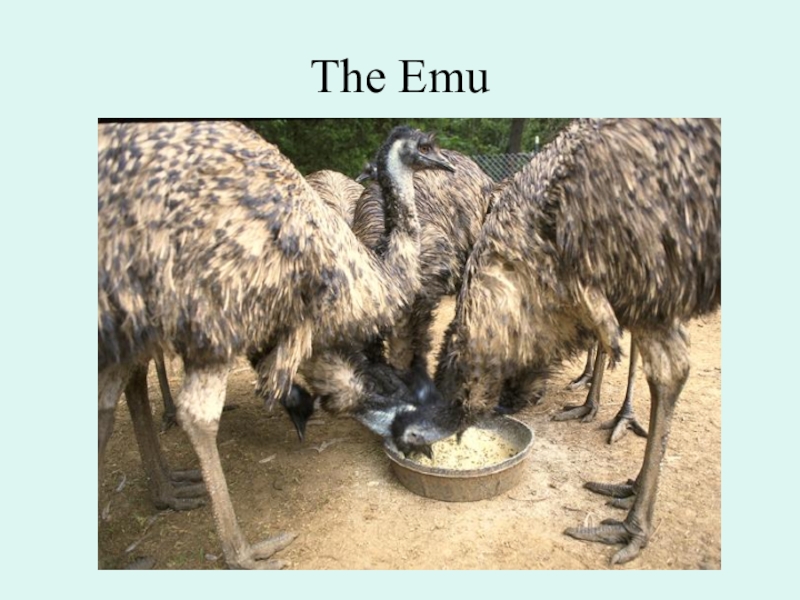
- 46. The Emu
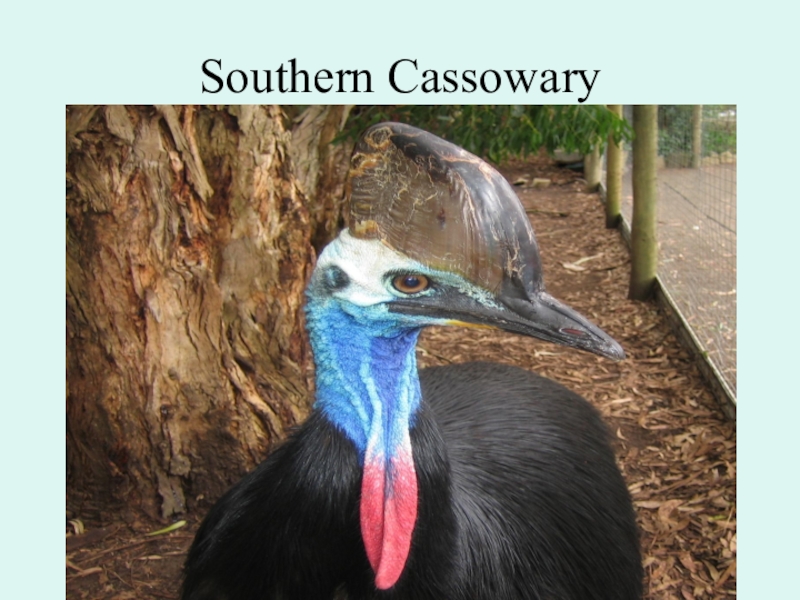
- 47. Southern Cassowary
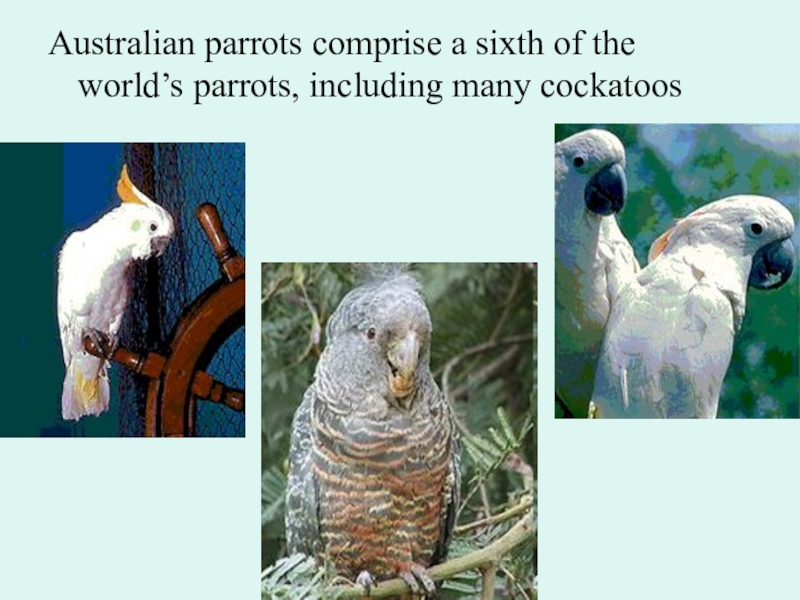
- 48. Australian parrots comprise a sixth of the world’s parrots, including many cockatoos
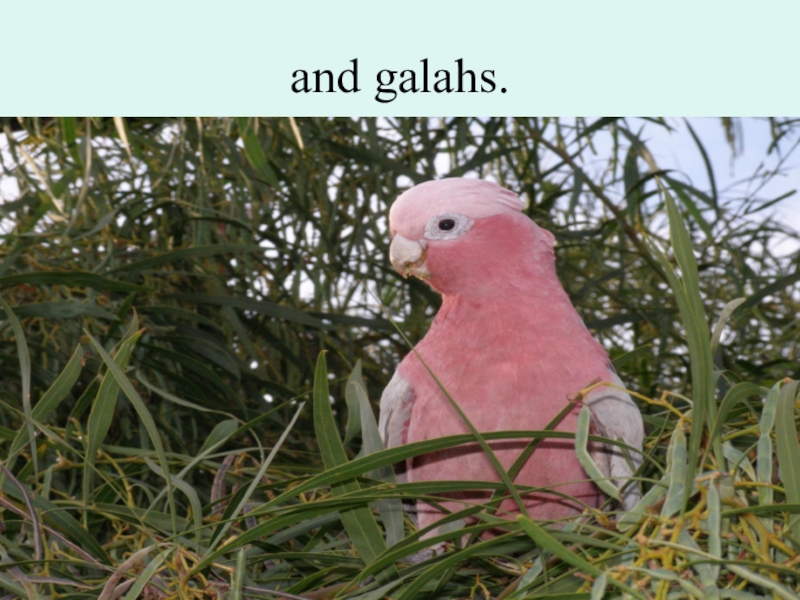
- 49. and galahs.
- 50. Слайд 50
- 51. The Kookaburra is the largest species of
- 52. The passerines of Australia, also known as songbirds or perching birds, include wrens, robins, pardalotes.
- 53. The passerines
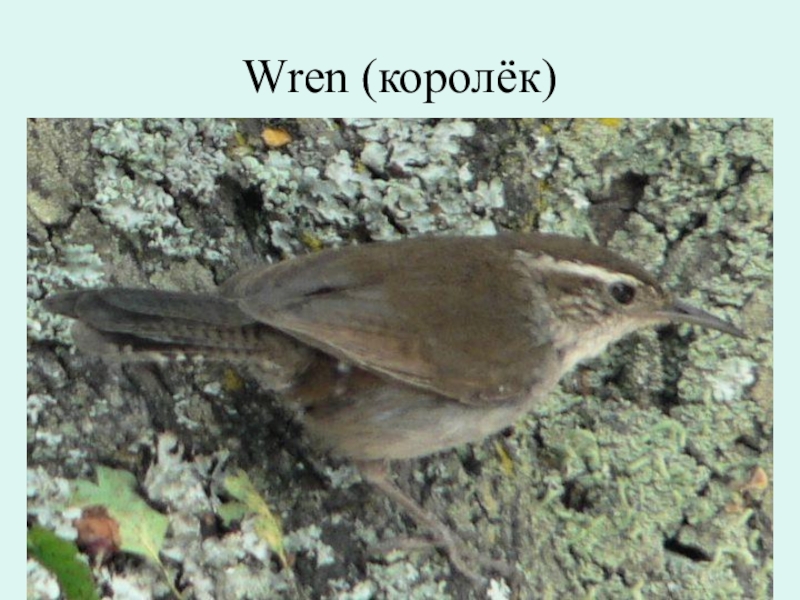
- 54. Wren (королёк)
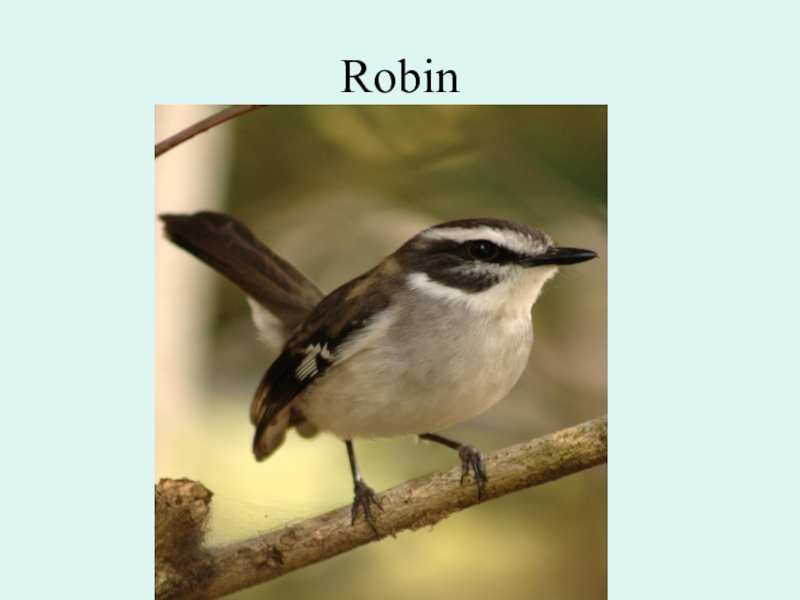
- 55. Robin
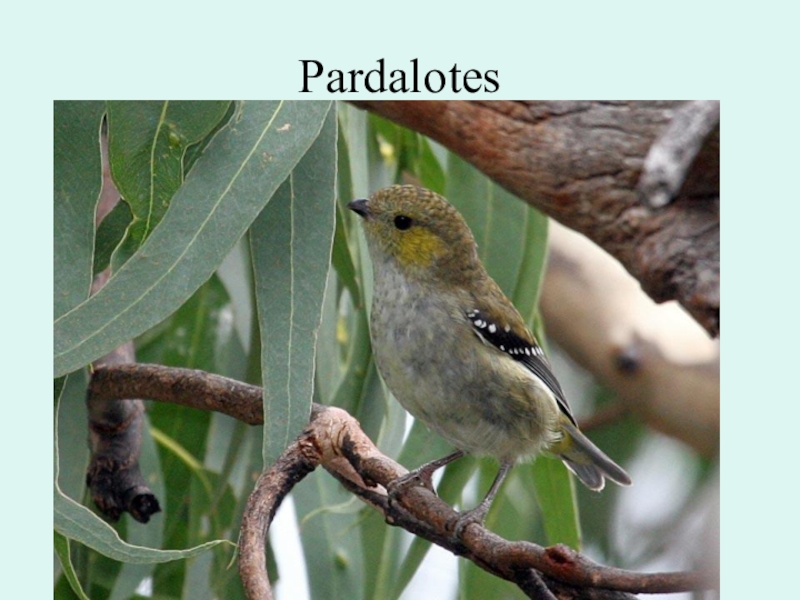
- 56. Pardalotes
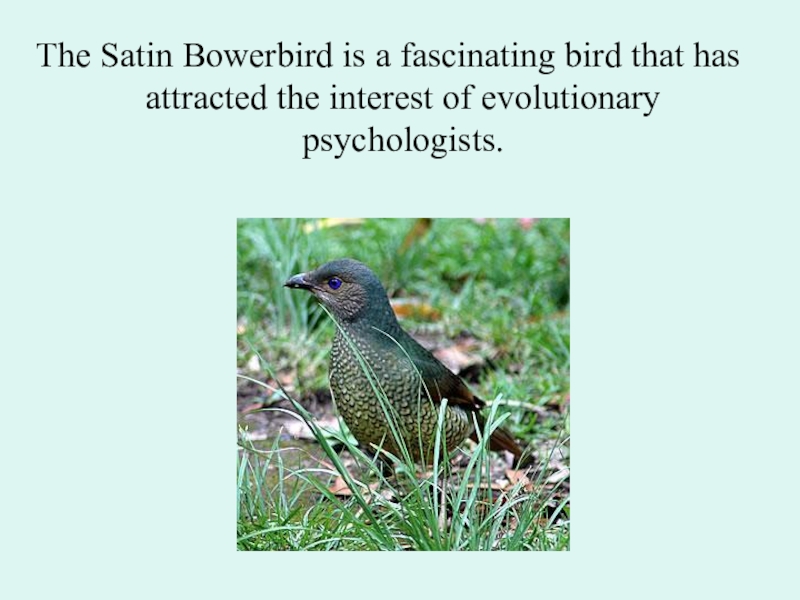
- 57. The Satin Bowerbird is a fascinating bird that has attracted the interest of evolutionary psychologists.
- 58. About 200 species of seabird live on
- 59. Australia has four families of native frogs and one introduced toad, the Cane Toad
- 60. Australia has both saltwater and freshwater crocodiles.
- 61. The Saltwater Crocodile
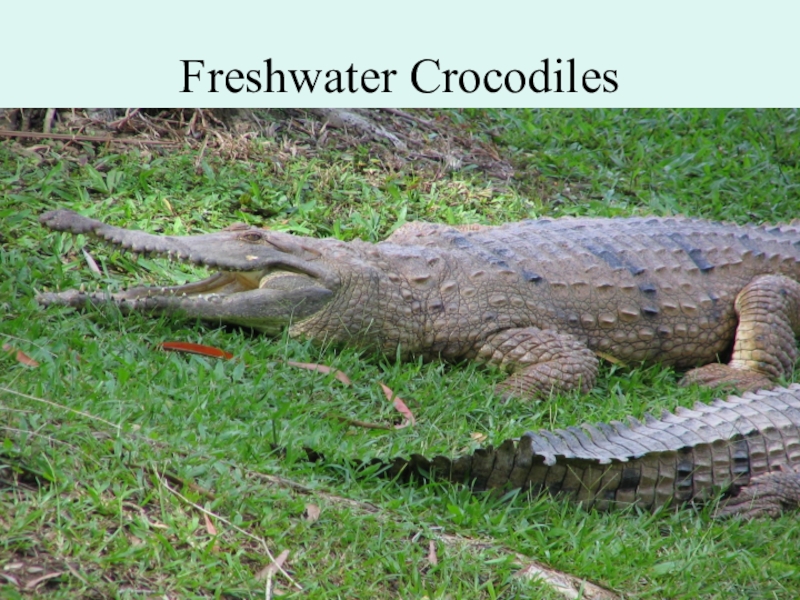
- 62. Freshwater Crocodiles
- 63. Australia is the only continent where venomous
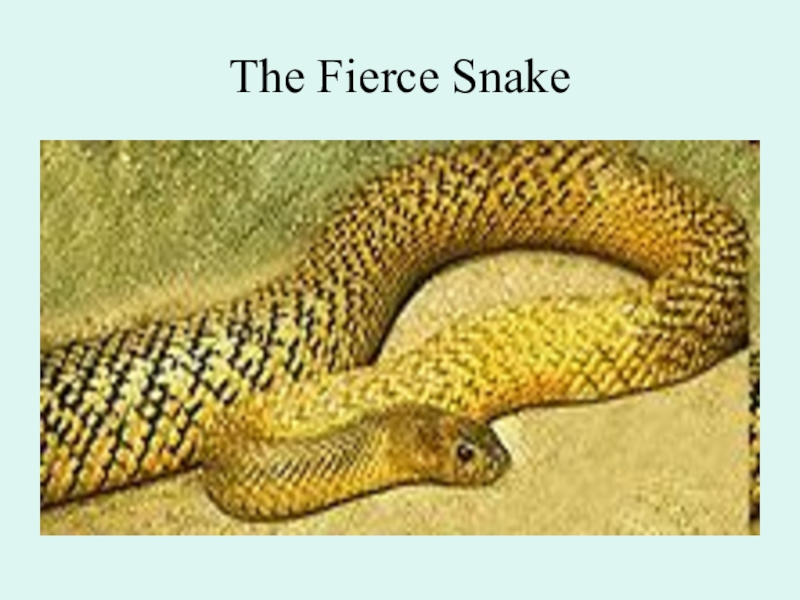
- 64. The Fierce Snake
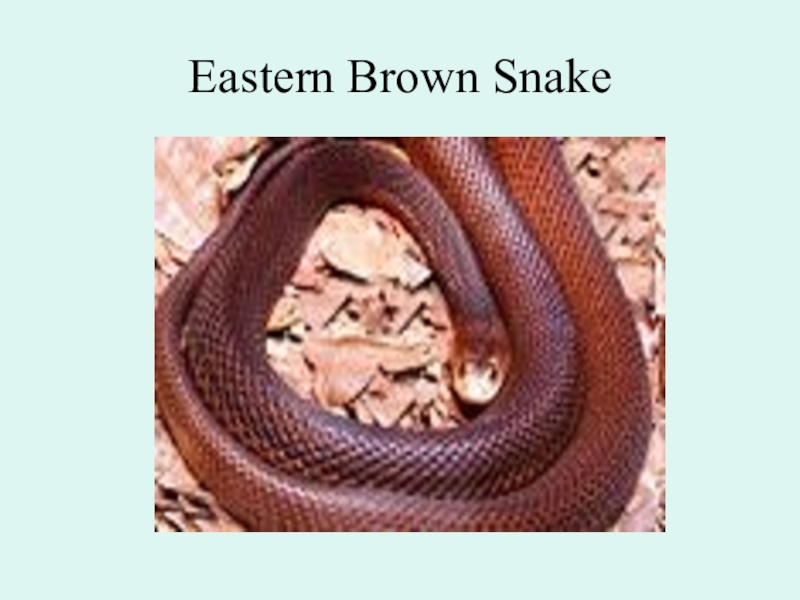
- 65. Eastern Brown Snake
- 66. Taipan
- 67. Of the 200 species of elapid, 86
- 68. There are more lizards in Australia than
- 69. Gecko
- 70. There are 389 species of skink from
- 71. Слайд 71
- 72. The Australian coast is visited by six
- 73. Hawksbill
- 74. Olive Ridley
- 75. Green Sea
- 76. Flatback
- 77. New Zealand The animals of New Zealand
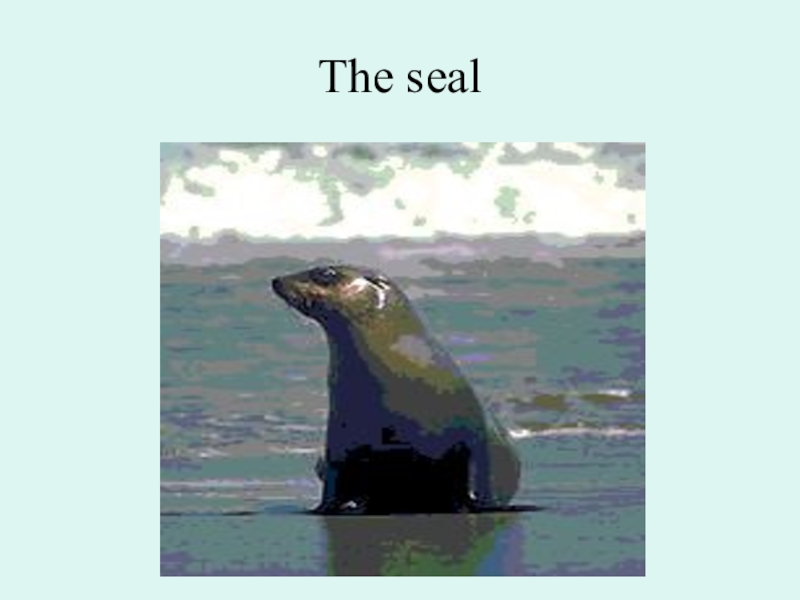
- 78. The seal
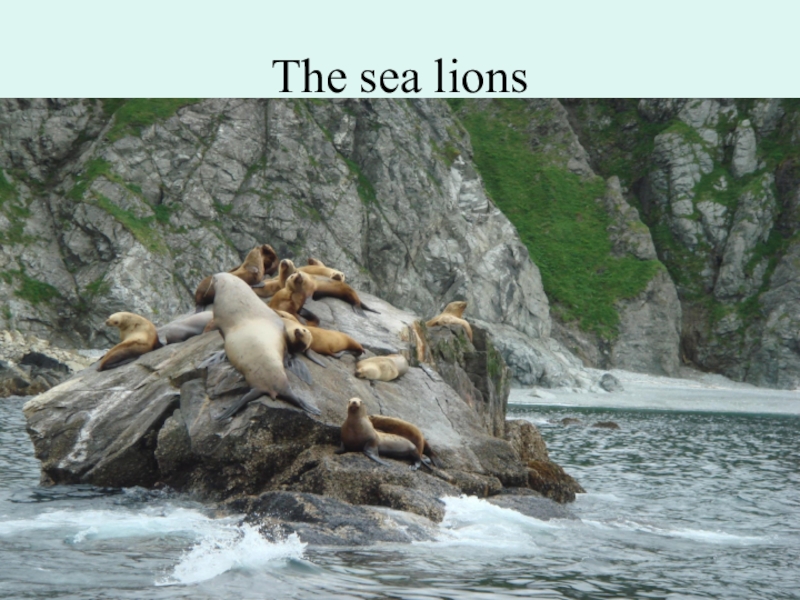
- 79. The sea lions
- 80. This meant that all the ecological niches
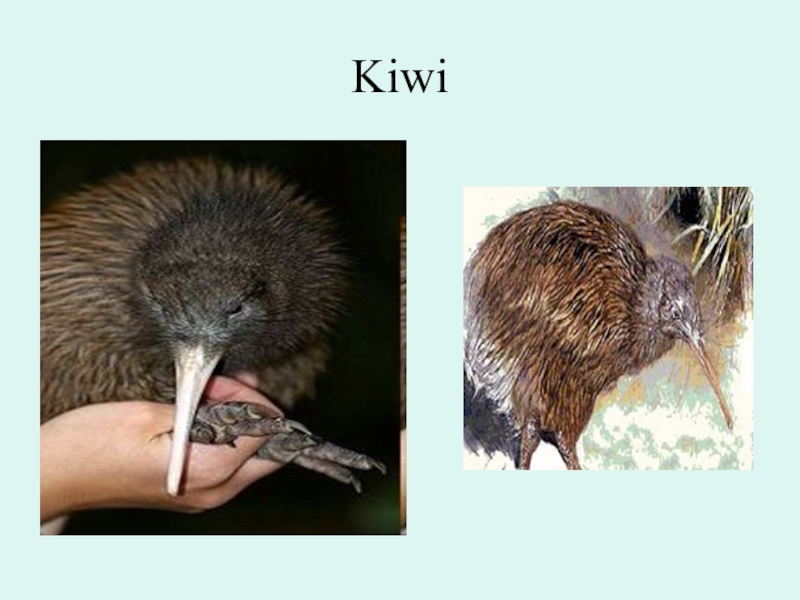
- 81. Kiwi
- 82. Great Britain Great Britain has also gone
- 83. A brown rat
- 84. A red fox
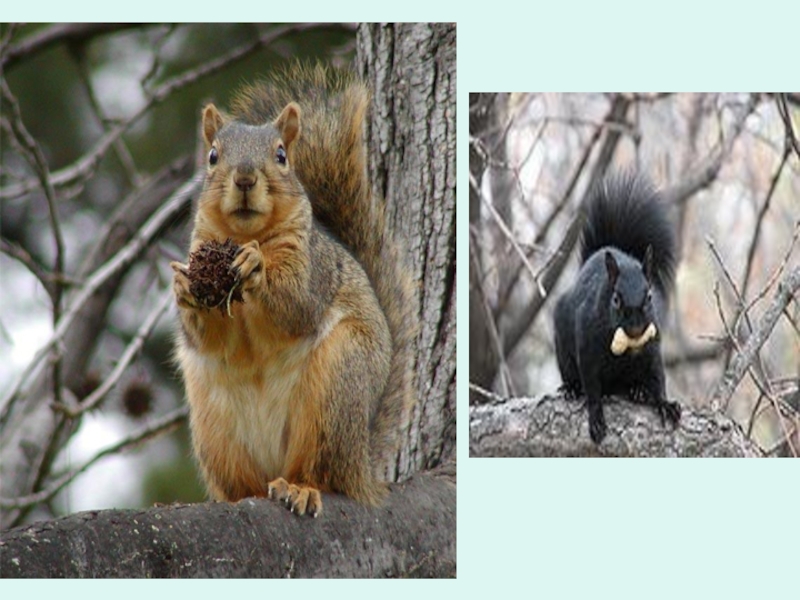
- 85. A grey squirrel
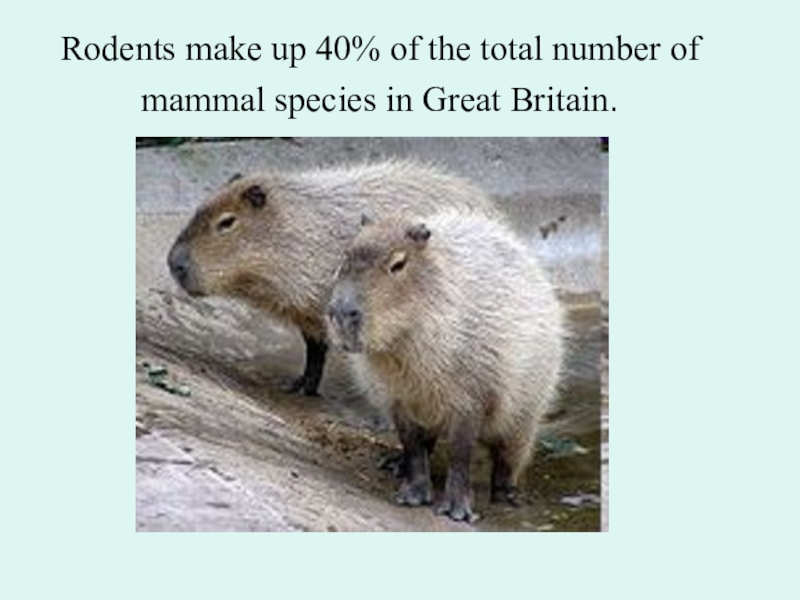
- 86. Rodents make up 40% of the total number of mammal species in Great Britain.
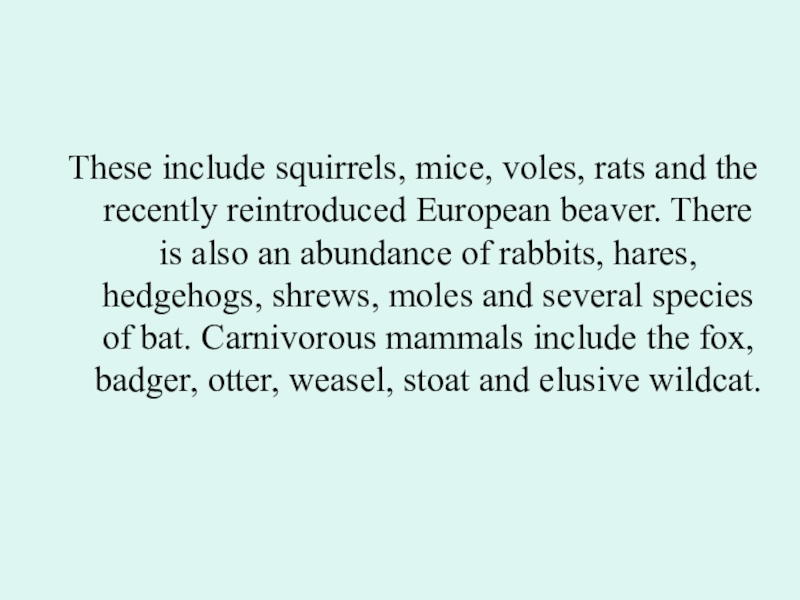
- 87. These include squirrels, mice, voles, rats and
- 88. Слайд 88
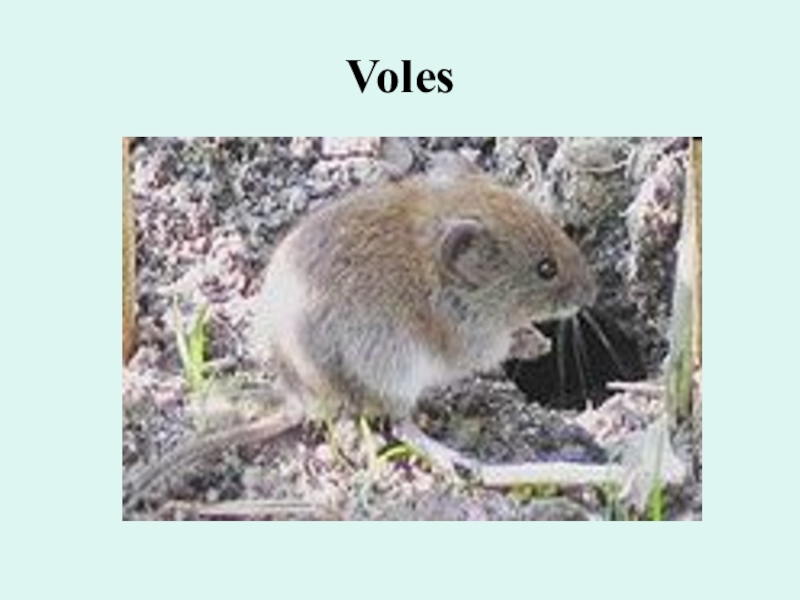
- 89. Voles
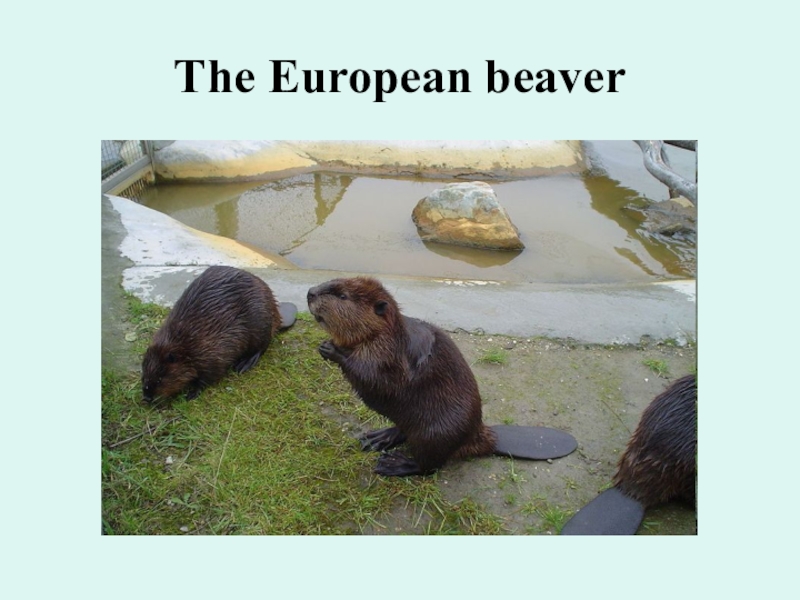
- 90. The European beaver
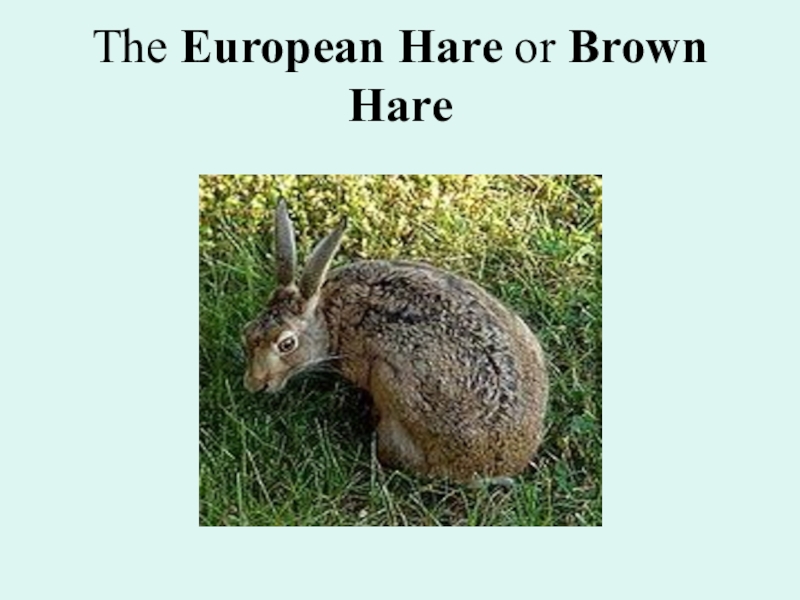
- 91. The European Hare or Brown Hare
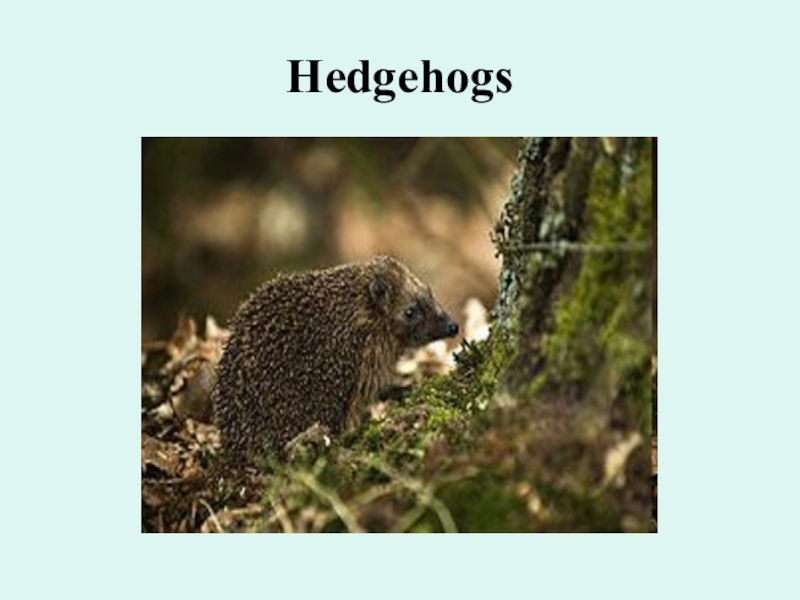
- 92. Hedgehogs
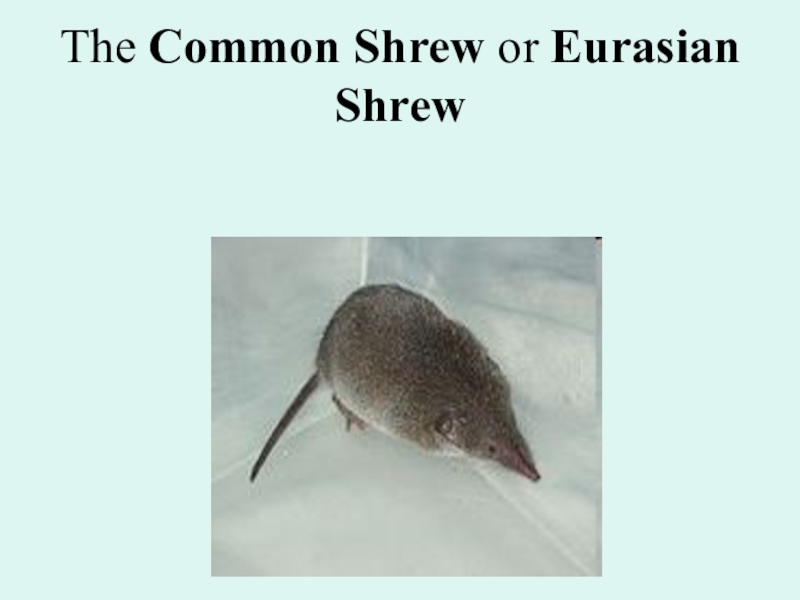
- 93. The Common Shrew or Eurasian Shrew
- 94. The European Mole
- 95. Слайд 95
- 96. The European Badger
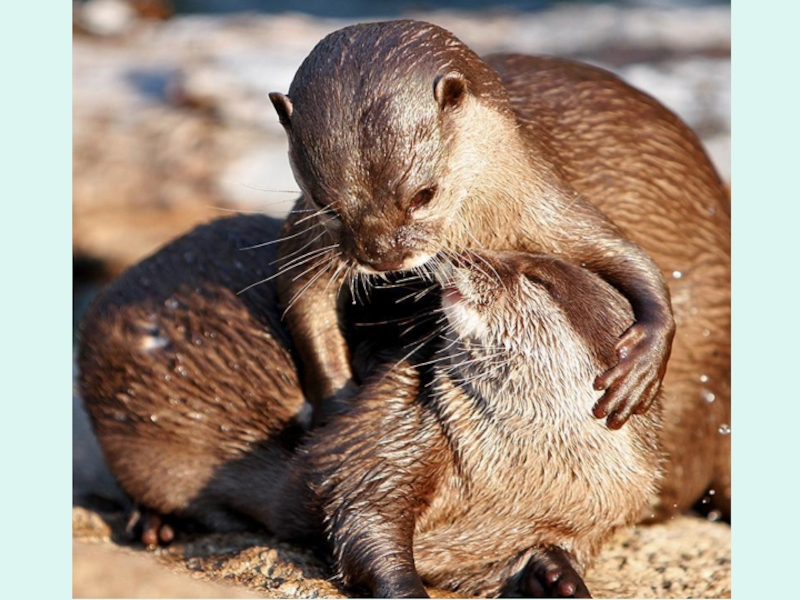
- 97. Otters (Выдры)
- 98. Слайд 98
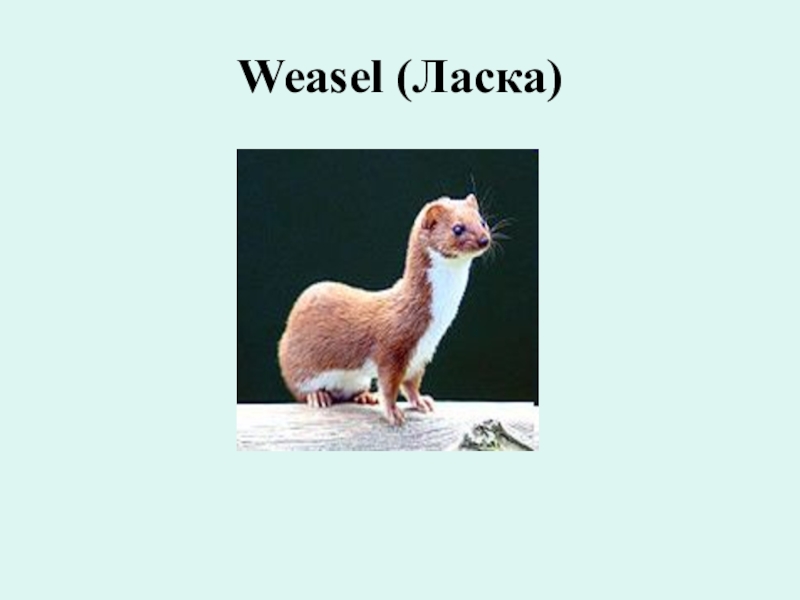
- 99. Weasel (Ласка)
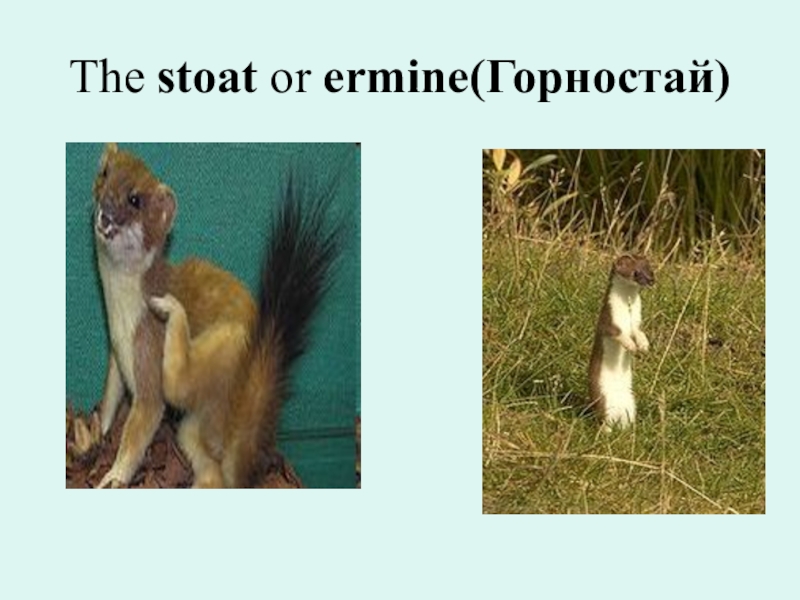
- 100. The stoat or ermine(Горностай)
- 101. Habitat loss has affected many species. Extinct
- 102. The brown bear
- 103. The grey wolf
- 104. Wild boar
- 105. There is a wealth of birdlife in
- 106. Duck
- 107. The word goose
- 108. Swans
- 109. The 'Golden’ Eagle
- 110. The Grey Heron
- 111. The Common Kingfisher
- 112. The Rock Pigeon
- 113. The Common Pheasant
- 114. The true crows
- 115. The true finches
- 116. Gulls
- 117. A falcon
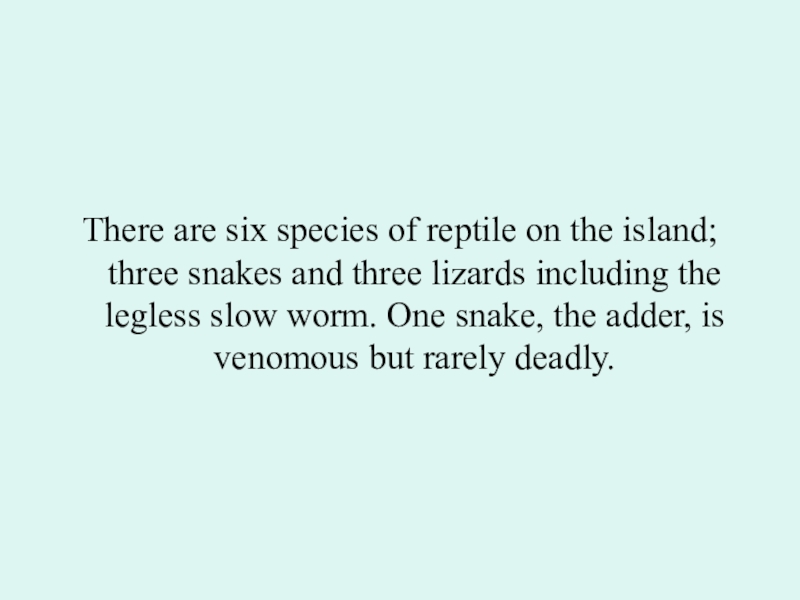
- 118. There are six species of reptile on
- 119. Anguis fragilis, or slow worm, slow-worm, slowworm, blindworm or blind worm
Scotland The fauna of Scotland is generally typical of the northwest European part of the Palearctic ecozone.Scotland's diverse temperate environments support 62 species of wild mammals, including a population of Wild Cats, important numbers of Grey and
Слайд 2Scotland
The fauna of Scotland is generally typical of the northwest
European part of the Palearctic ecozone.
Scotland's diverse temperate environments support 62 species of wild mammals, including a population of Wild Cats, important numbers of Grey and Harbour Seals and the most northerly colony of Bottlenose Dolphins in the world.
Scotland's diverse temperate environments support 62 species of wild mammals, including a population of Wild Cats, important numbers of Grey and Harbour Seals and the most northerly colony of Bottlenose Dolphins in the world.
Слайд 3Scotland's seas are among the most biologically productive in the world;
it is estimated that the total number of Scottish marine species exceeds 40,000.
Of the 42 species of fish found in the country's fresh waters, half have arrived by natural colonisation and half by human introduction.
Of the 42 species of fish found in the country's fresh waters, half have arrived by natural colonisation and half by human introduction.
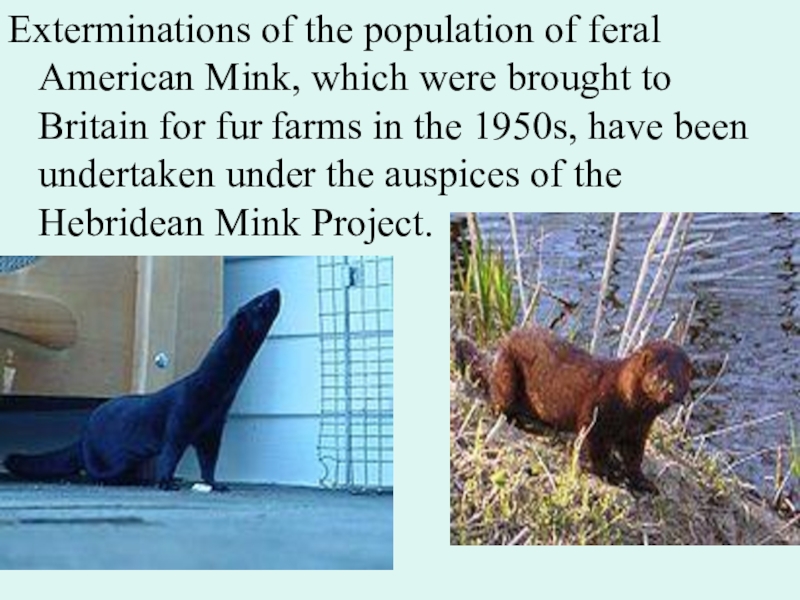
Слайд 5Exterminations of the population of feral American Mink, which were brought
to Britain for fur farms in the 1950s, have been undertaken under the auspices of the Hebridean Mink Project.
Слайд 8The Scottish population of the Common Seal is 29,700, about 90%
of the UK and 36% of the European total.
Слайд 9Seventy-five per cent of the UK's Red Squirrels are found in
Scotland. This species faces threats that include competition from the introduced Grey Squirrels.
Слайд 13Canada
Canada has multiple ecosystems, ranging from lush forests of British
Columbia, to the prairies of Western Canada, to the tundra of the Northern Canada. With a large land mass, and small population density, the wildlands of Canada provide important habitat for many animals, both endangered and not.
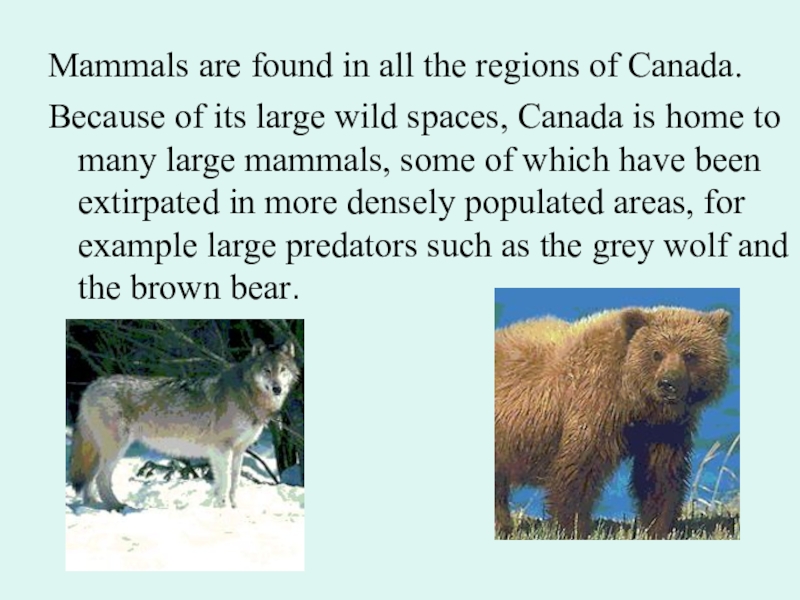
Слайд 14Mammals are found in all the regions of Canada.
Because of
its large wild spaces, Canada is home to many large mammals, some of which have been extirpated in more densely populated areas, for example large predators such as the grey wolf and the brown bear.
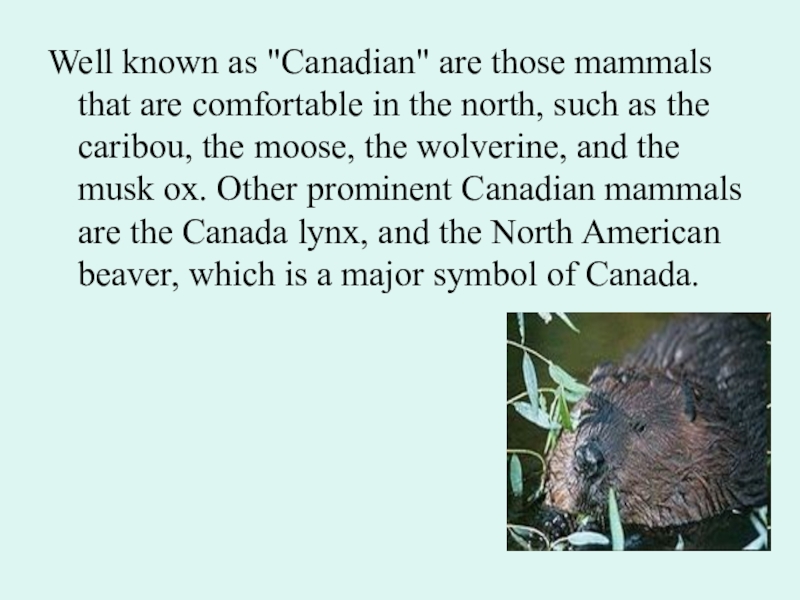
Слайд 15Well known as "Canadian" are those mammals that are comfortable in
the north, such as the caribou, the moose, the wolverine, and the musk ox. Other prominent Canadian mammals are the Canada lynx, and the North American beaver, which is a major symbol of Canada.
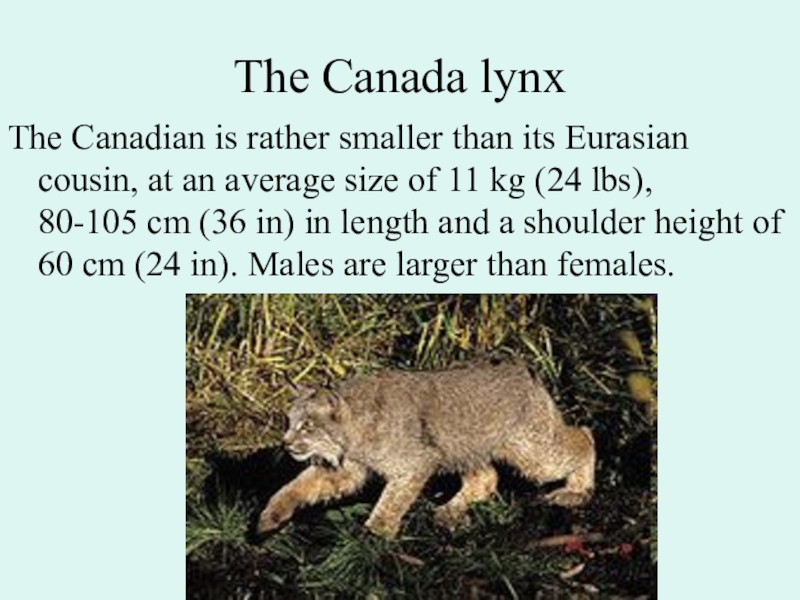
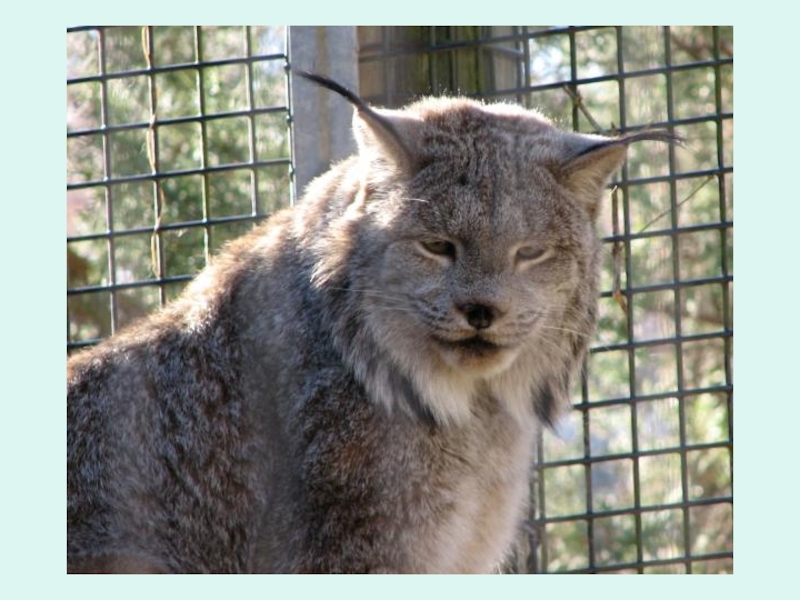
Слайд 16The Canada lynx
The Canadian is rather smaller than its Eurasian cousin,
at an average size of 11 kg (24 lbs), 80-105 cm (36 in) in length and a shoulder height of 60 cm (24 in). Males are larger than females.
Слайд 21Canada's avifauna comprises 462 species, members of seventeen orders of bird.
The two most diverse orders are the passerines and the charadriiformes. The most commonly known birds include the Canada goose, snowy owl, and the common raven.
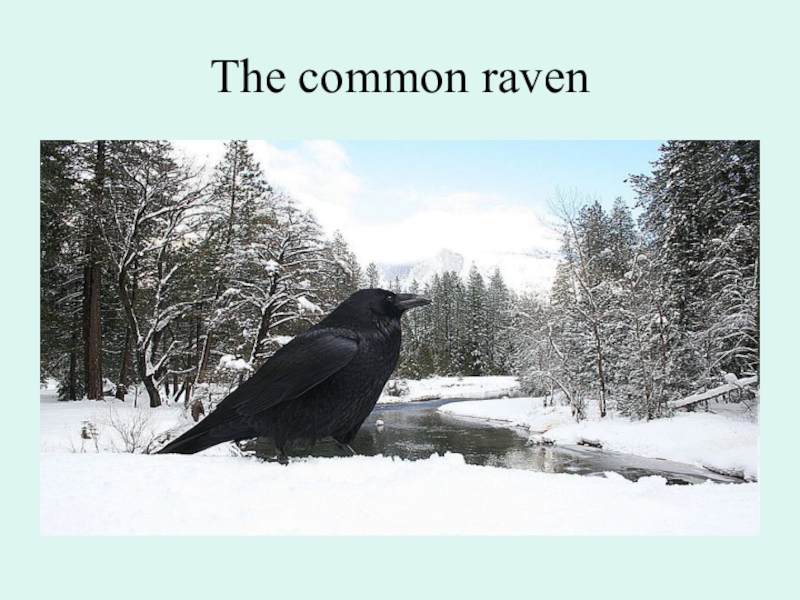
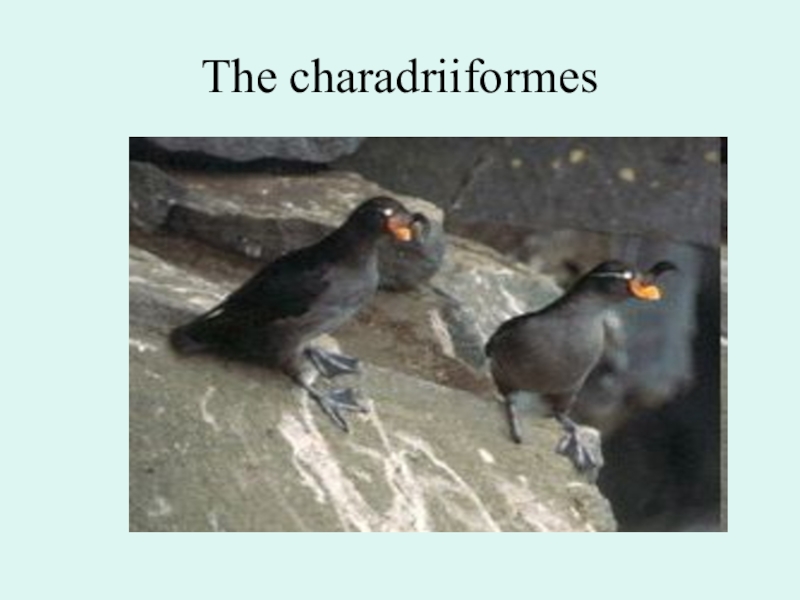
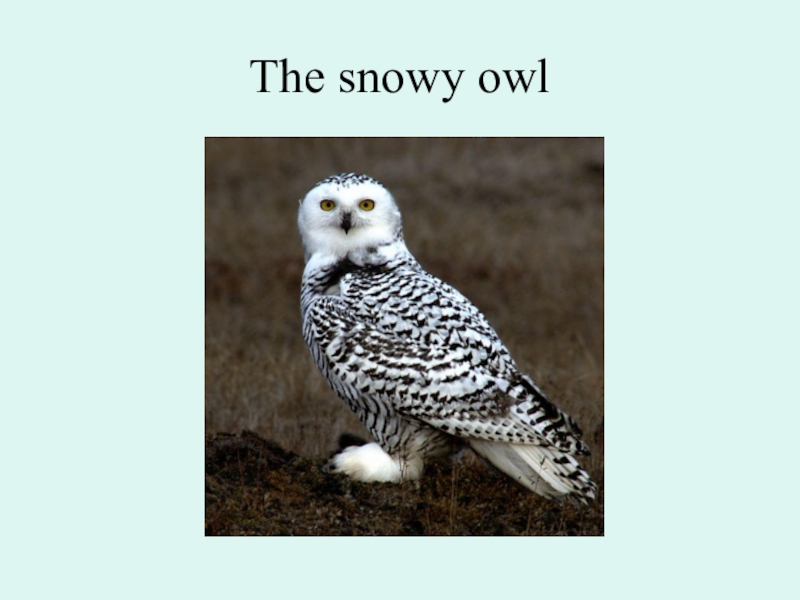
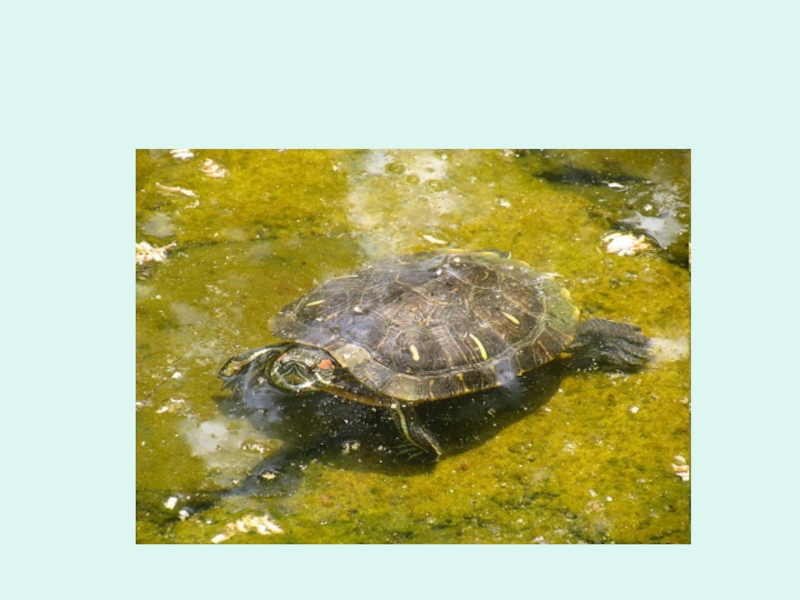
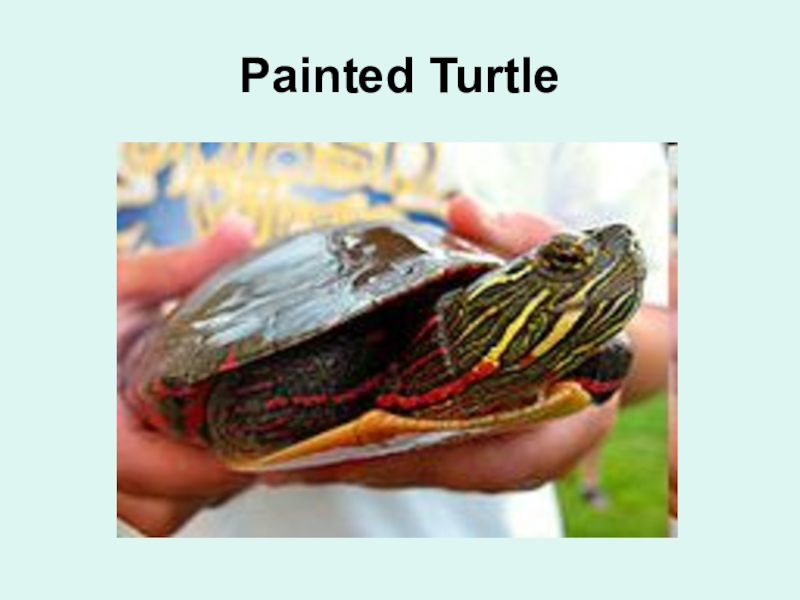
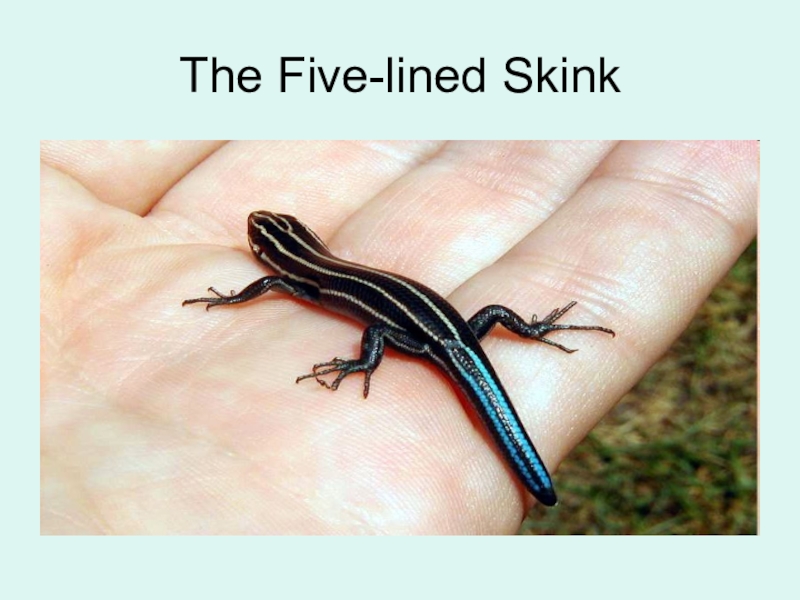
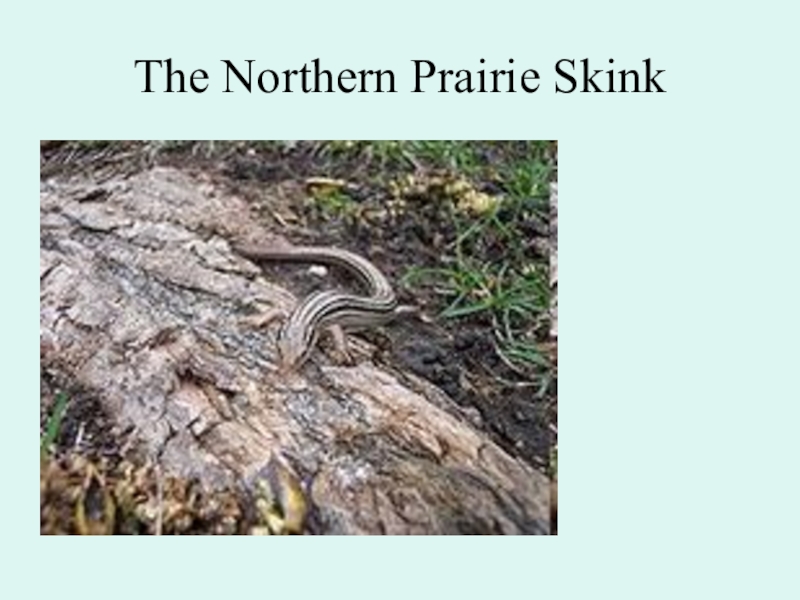
Слайд 25Canada has forty-three species of reptile, including turtles, lizards, and snakes.
Canada has twenty-five species of snake, representing three families. Most Canadian snakes are members of the colubrid family, including several species of garter snake.
Слайд 36Australia
The fauna of Australia consists of a huge variety of
unique animals; some 83% of mammals, 89% of reptiles, 90% of fish and insects and 93% of amphibians that inhabit the continent are endemic to Australia.
A unique feature of Australia's fauna is the relative scarcity of native placental mammals.
A unique feature of Australia's fauna is the relative scarcity of native placental mammals.
Слайд 37Australia has a rich mammalian fossil history.
The marsupials evolved to
fill specific ecological niches, and in many cases they are physically similar to the placental mammals in Eurasia and North America that occupy similar niches.
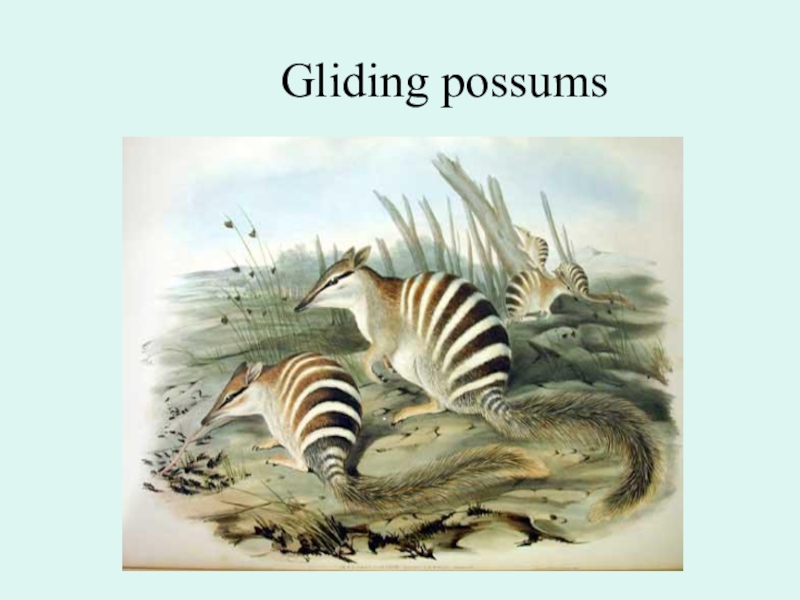
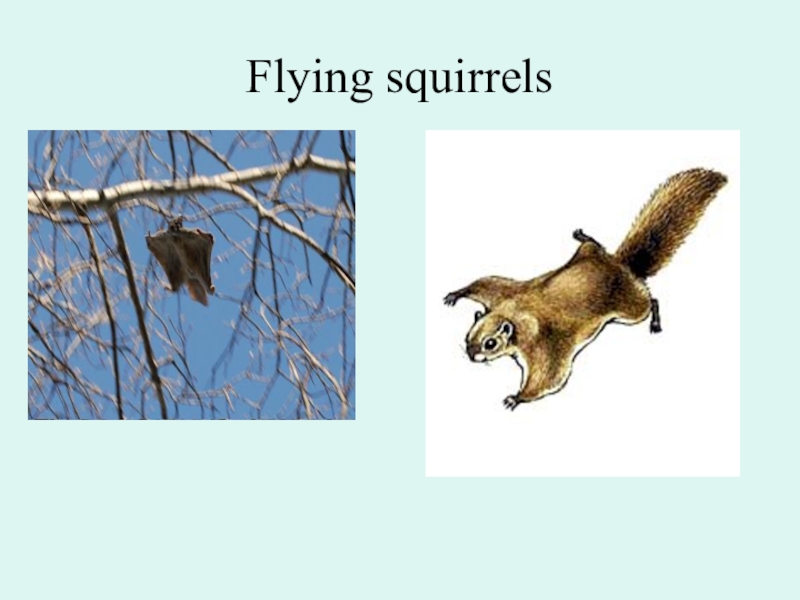
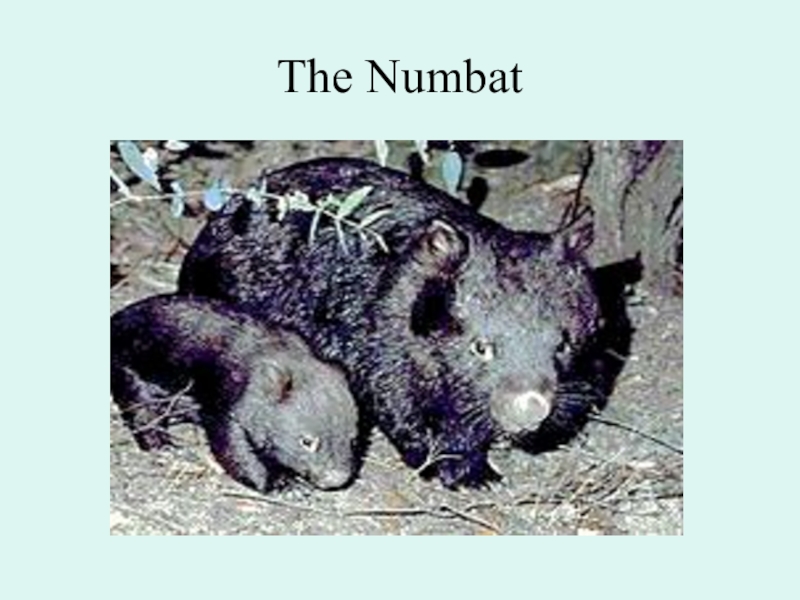
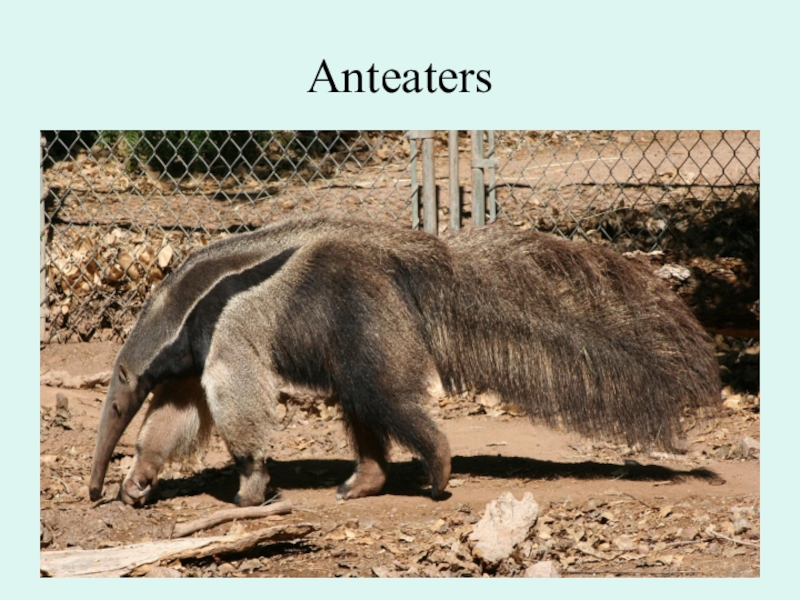
For example, the top predator in Australia, the Tasmanian Tiger, the Gray Wolf, gliding possums and flying squirrels, the Numbat and anteaters.
For example, the top predator in Australia, the Tasmanian Tiger, the Gray Wolf, gliding possums and flying squirrels, the Numbat and anteaters.
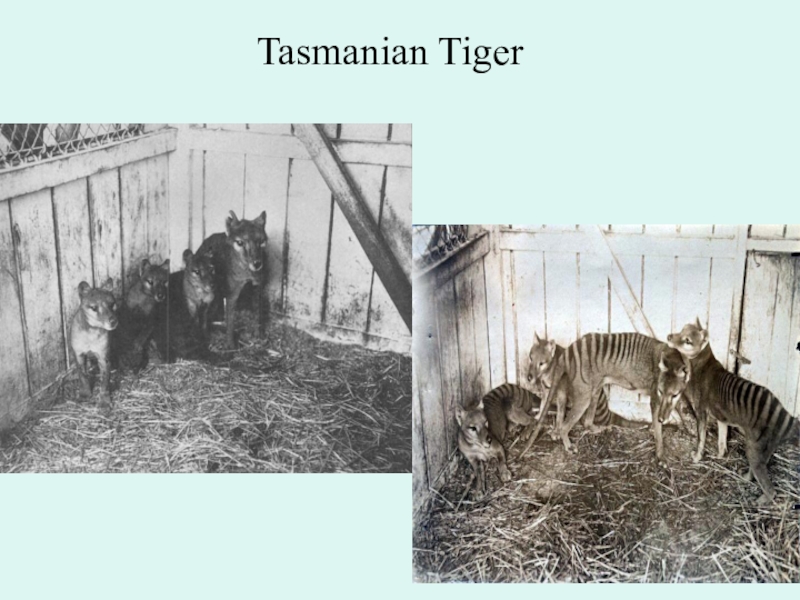
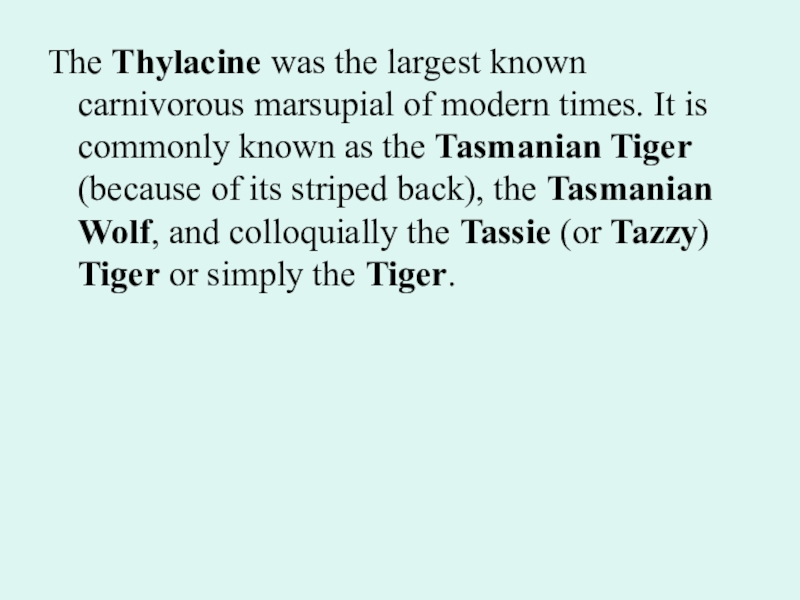
Слайд 39The Thylacine was the largest known carnivorous marsupial of modern times.
It is commonly known as the Tasmanian Tiger (because of its striped back), the Tasmanian Wolf, and colloquially the Tassie (or Tazzy) Tiger or simply the Tiger.
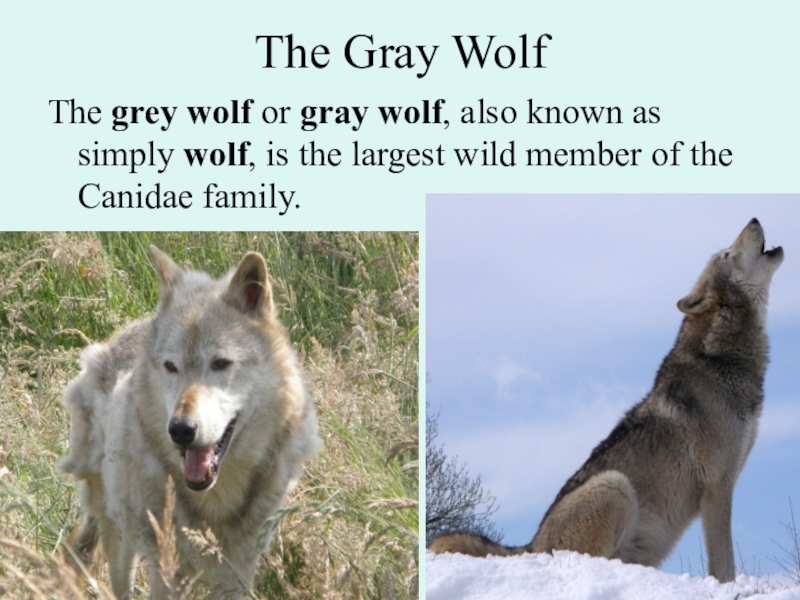
Слайд 40The Gray Wolf
The grey wolf or gray wolf, also known
as simply wolf, is the largest wild member of the Canidae family.
Слайд 45Australia and its territories are home to over 800 species of
bird; about 350 of these are endemic to the zoogeographic region that covers Australia, New Guinea and New Zealand.
Birds with a Gondwanan history include the flightless ratites (the Emu and Southern Cassowary).
Birds with a Gondwanan history include the flightless ratites (the Emu and Southern Cassowary).
Слайд 51
The Kookaburra is the largest species of the kingfisher family, known
for its call, which sounds uncannily like loud, echoing human laughter.
Слайд 52
The passerines of Australia, also known as songbirds or perching birds,
include wrens, robins, pardalotes.
Слайд 57The Satin Bowerbird is a fascinating bird that has attracted the
interest of evolutionary psychologists.
Слайд 58About 200 species of seabird live on the Australian coast, including
many species of migratory seabird. Australia is at the southern end of the East Asian-Australasian flyway for migratory water birds, which extends from Far-East Russia and Alaska through Southeast Asia to Australia and New Zealand.
Слайд 60Australia has both saltwater and freshwater crocodiles. The Saltwater Crocodile, known
colloquially as the "salty," is the largest living crocodile species; reaching over 7 m and weighing over 1,000 kg, they can and do kill people. They live on the coast and in the freshwater rivers and wetlands of northern Australia, and they are farmed for their meat and leather. Freshwater Crocodiles, found only in Northern Australia, are not considered dangerous to humans.
Слайд 63
Australia is the only continent where venomous snakes outnumber their non-venomous
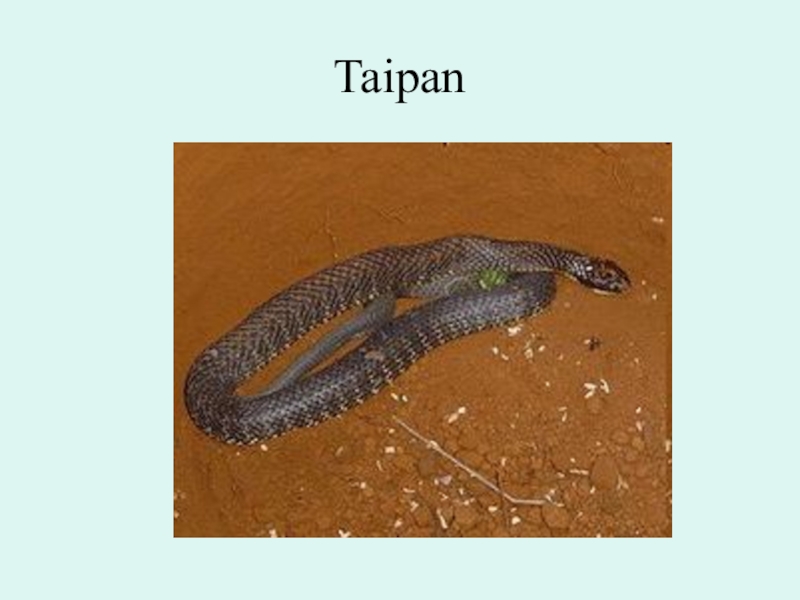
cousins. Australian snakes belong to seven families. Of these, the most venomous species, including the Fierce Snake, Eastern Brown Snake, Taipan.
Слайд 67Of the 200 species of elapid, 86 are found only in
Australia. Thirty-three sea snakes from family Hydrophiidae inhabit Australia's northern waters; many are extremely venomous. Two species of sea snake from the Acrochordidae also occur in Australian waters. Australia has only 11 species from the world's most significant snake family Colubridae; none are endemic, and they are considered to be relatively recent arrivals from Asia. There are 15 python species and 31 species of insectivorous blind snake.
Слайд 68
There are more lizards in Australia than anywhere else in the
world, with representatives of five families. There are 114 species in 18 genera of gecko found throughout the Australian continent.
Слайд 70
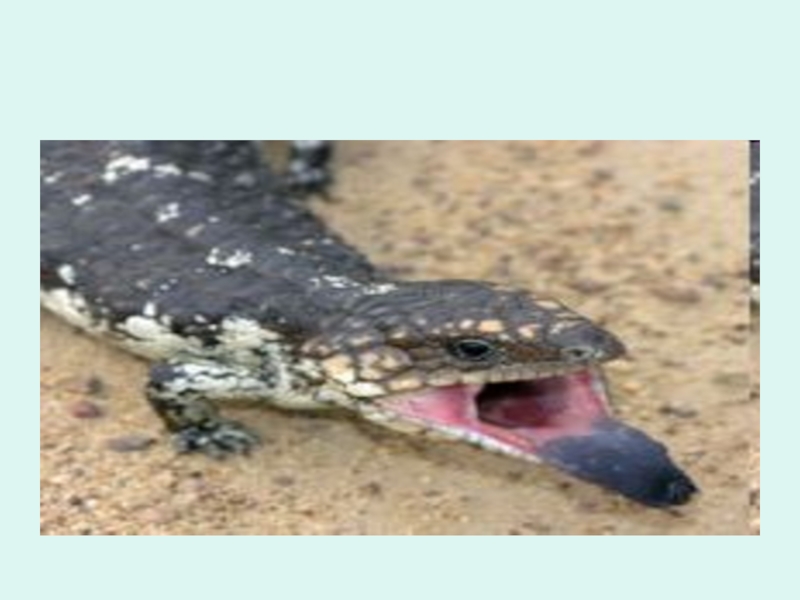
There are 389 species of skink from 38 genera, comprising about
50% of the total Australian lizard fauna; this group includes the blue-tongued lizards.
Слайд 72
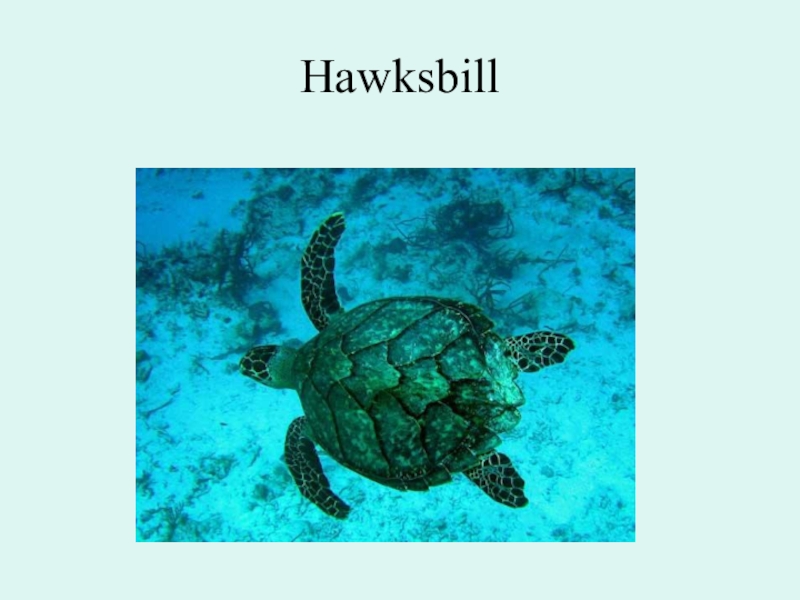
The Australian coast is visited by six species of sea turtle:
the Flatback, Green Sea, Hawksbill, Olive Ridley.
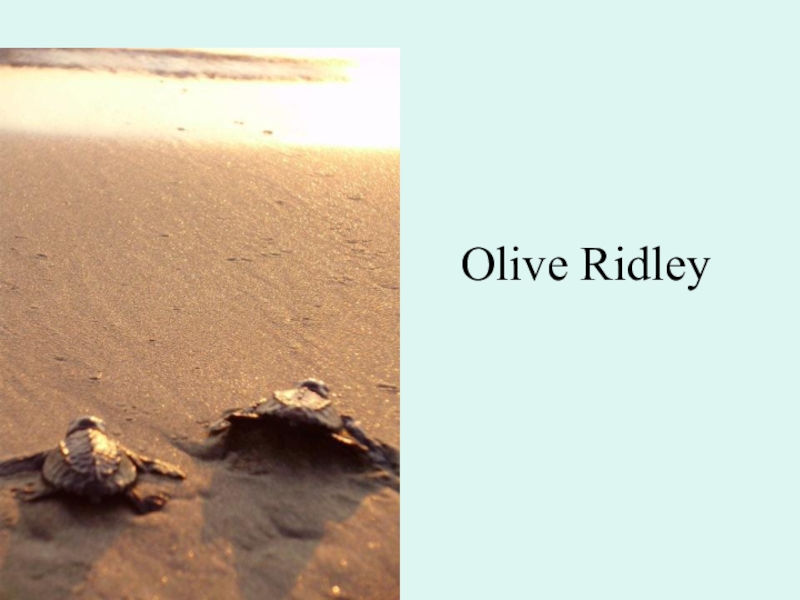
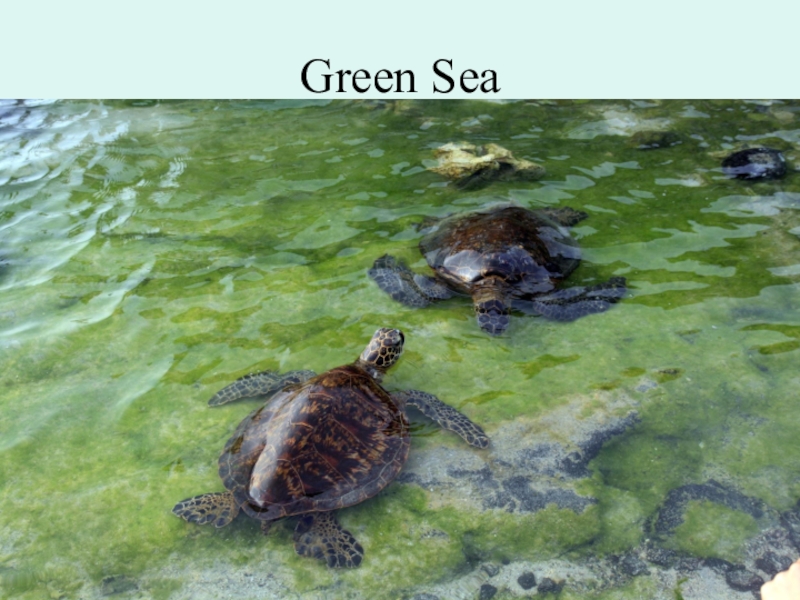
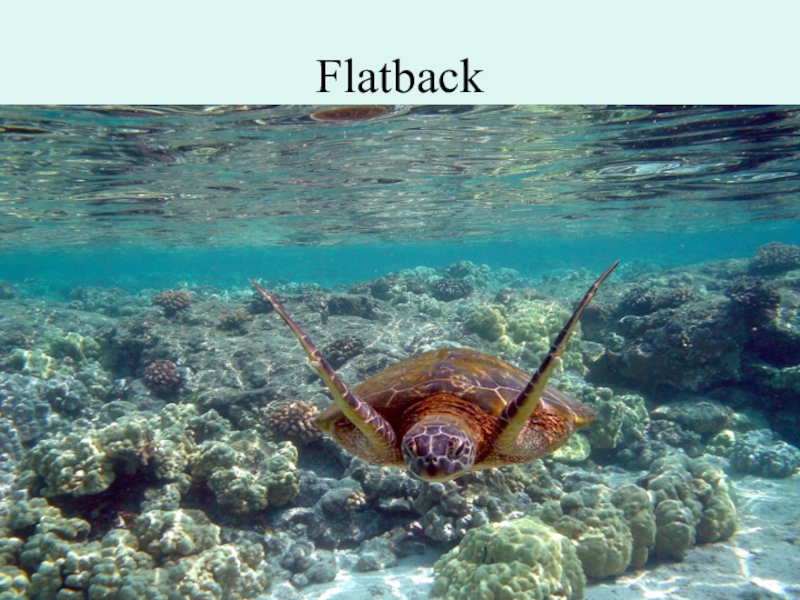
Слайд 77New Zealand
The animals of New Zealand have a particularly interesting
history because, before the arrival of humans, probably less than 1,300 years ago, the country was completely free of mammals, except those that could swim there (seals, sea lions, and, off-shore, whales) or fly there (bats).
Слайд 80
This meant that all the ecological niches occupied by mammals elsewere
were occupied by either insects or birds, leading to an unusually large number of flightless birds, including the Kiwi, the Moa, and the Kakapo.
Слайд 82Great Britain
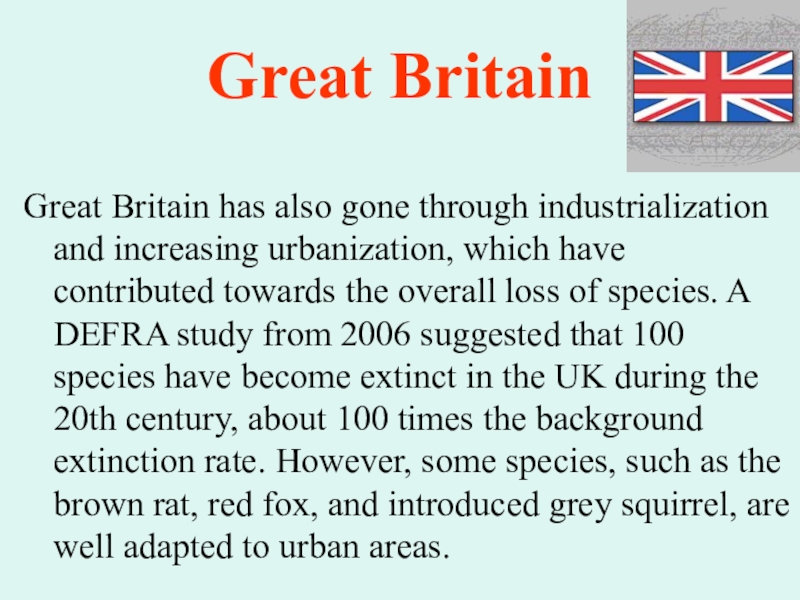
Great Britain has also gone through industrialization and increasing
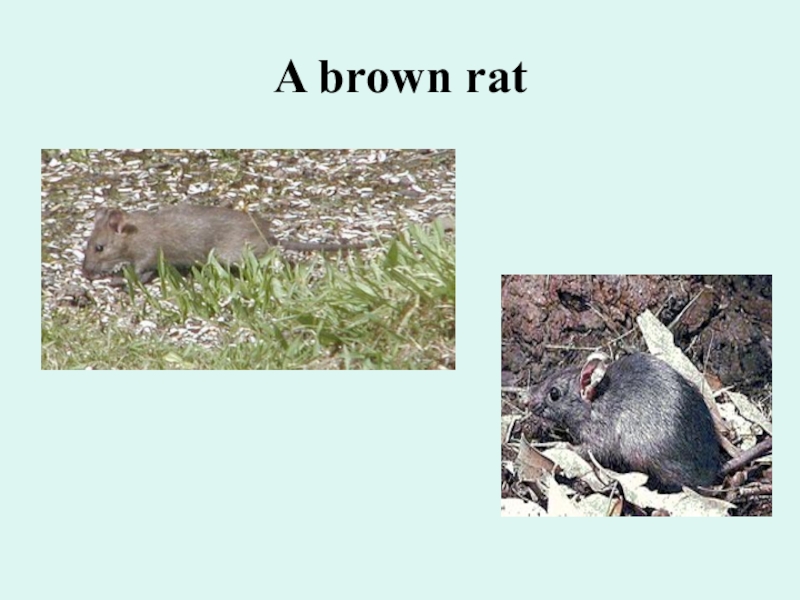
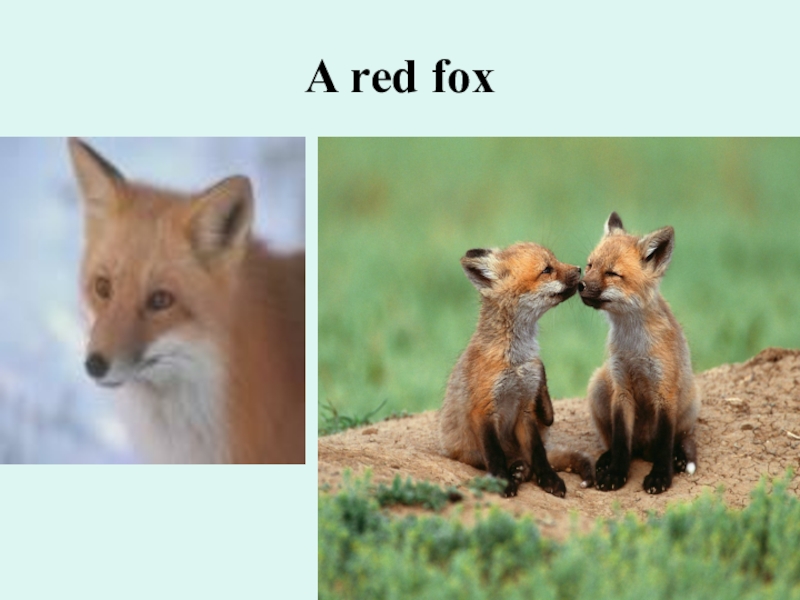
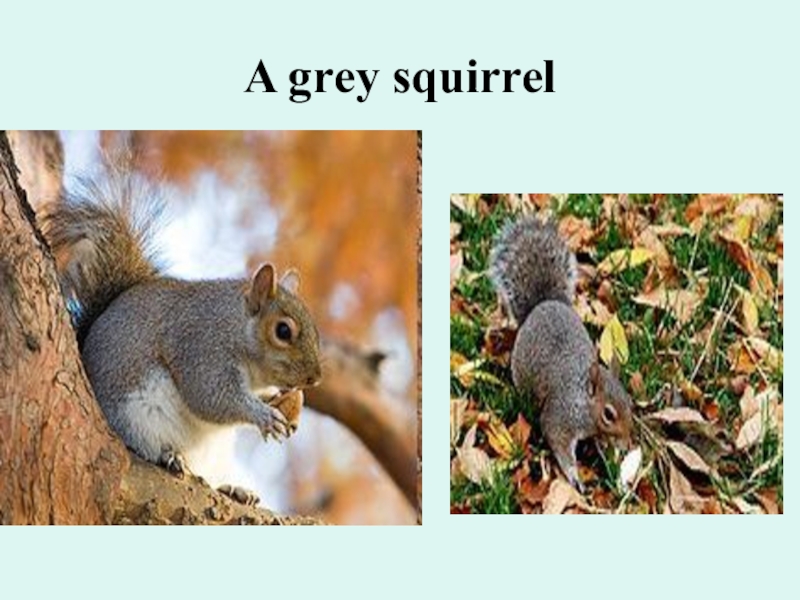
urbanization, which have contributed towards the overall loss of species. A DEFRA study from 2006 suggested that 100 species have become extinct in the UK during the 20th century, about 100 times the background extinction rate. However, some species, such as the brown rat, red fox, and introduced grey squirrel, are well adapted to urban areas.
Слайд 87
These include squirrels, mice, voles, rats and the recently reintroduced European
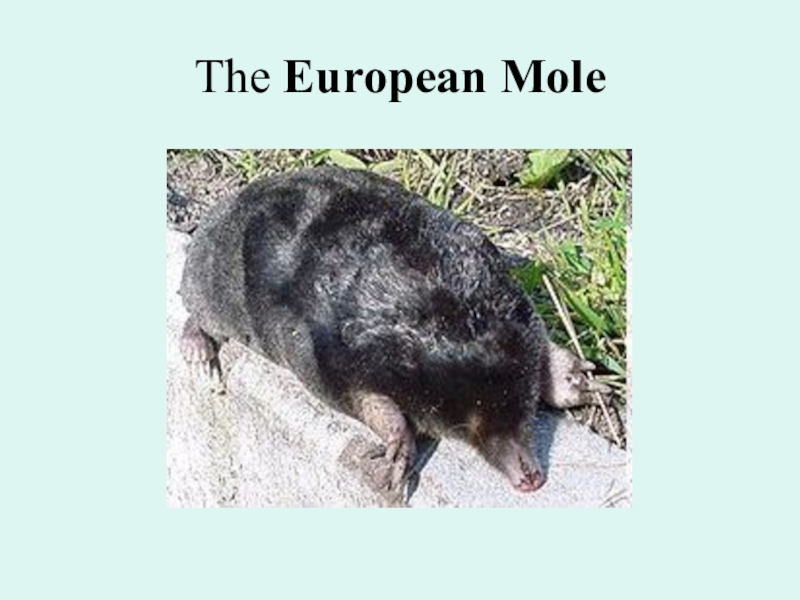
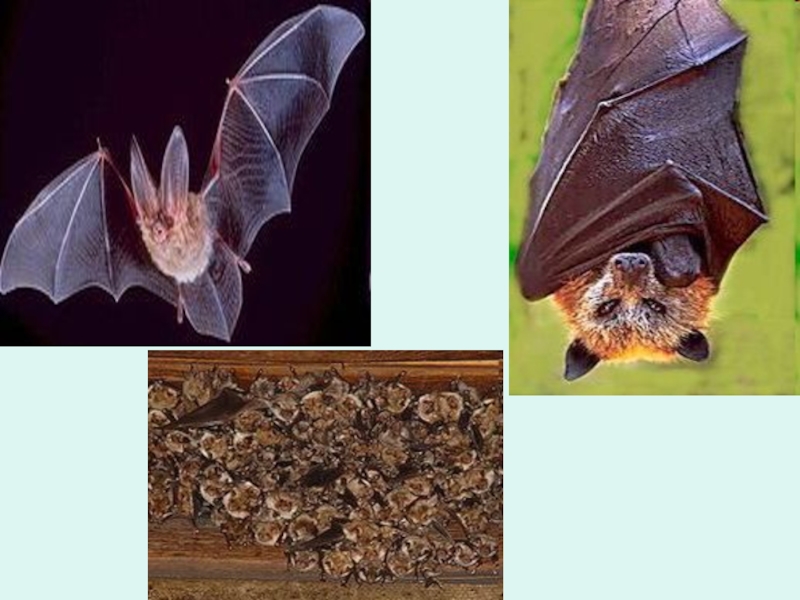
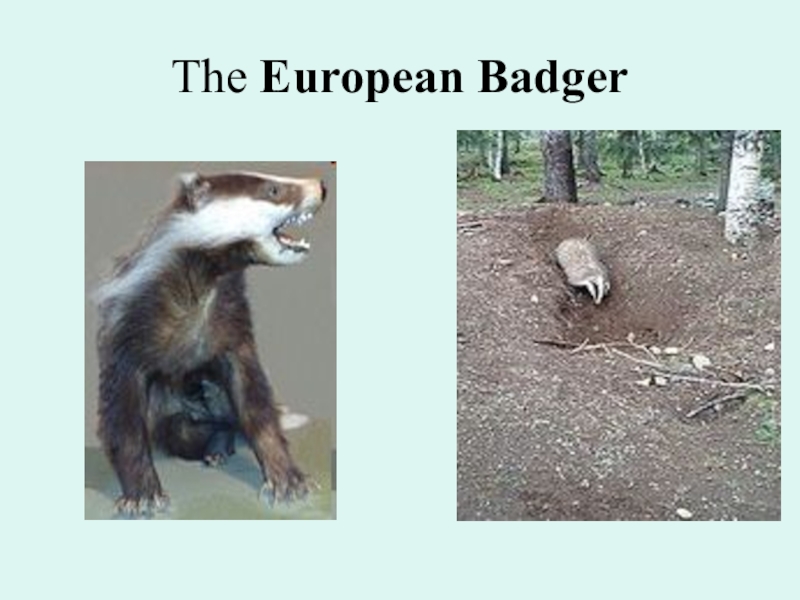
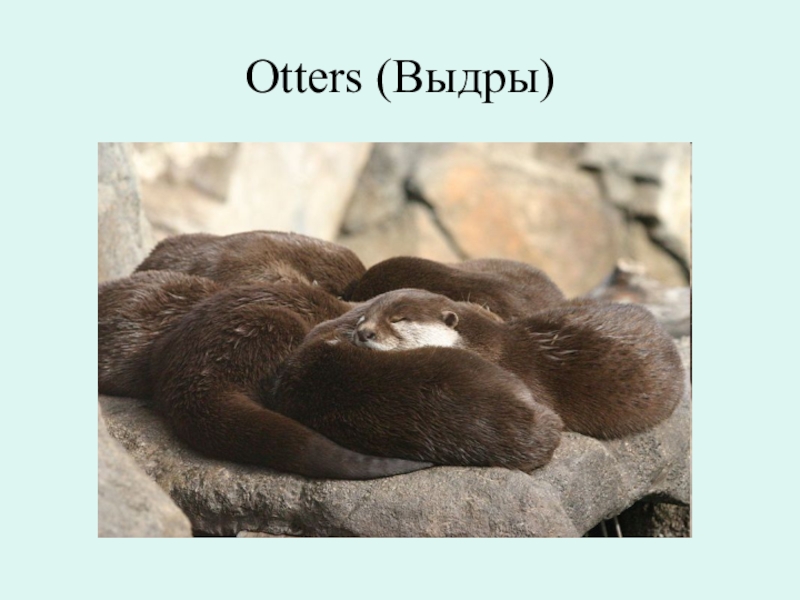
beaver. There is also an abundance of rabbits, hares, hedgehogs, shrews, moles and several species of bat. Carnivorous mammals include the fox, badger, otter, weasel, stoat and elusive wildcat.
Слайд 101
Habitat loss has affected many species. Extinct large mammals include the
brown bear, grey wolf and wild boar; the latter has had a limited reintroduction in recent times.
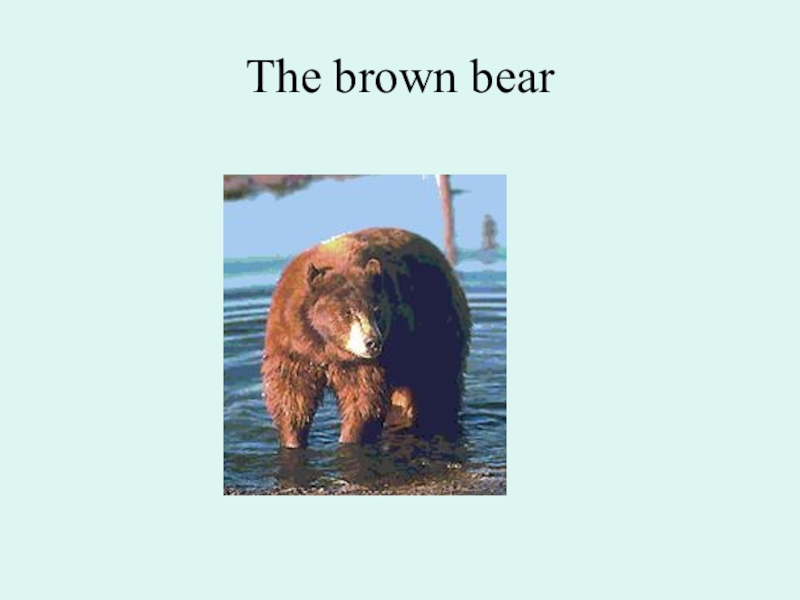
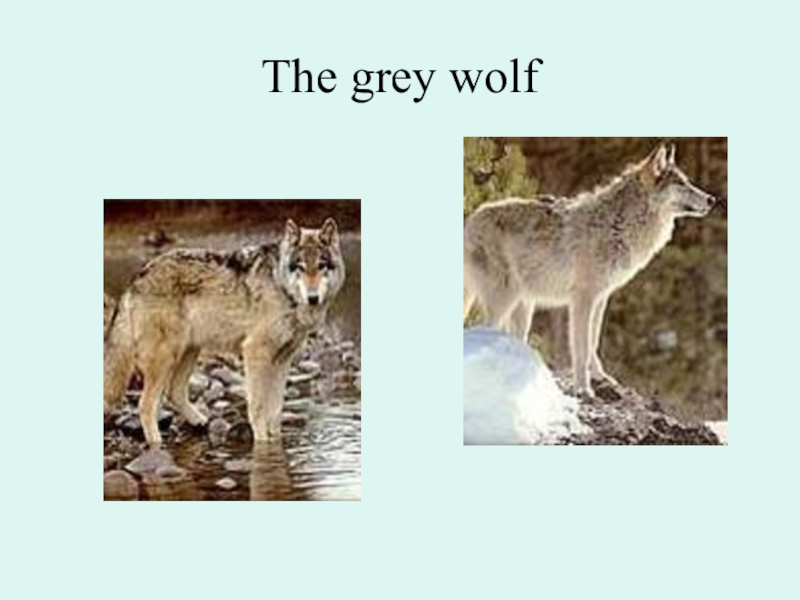
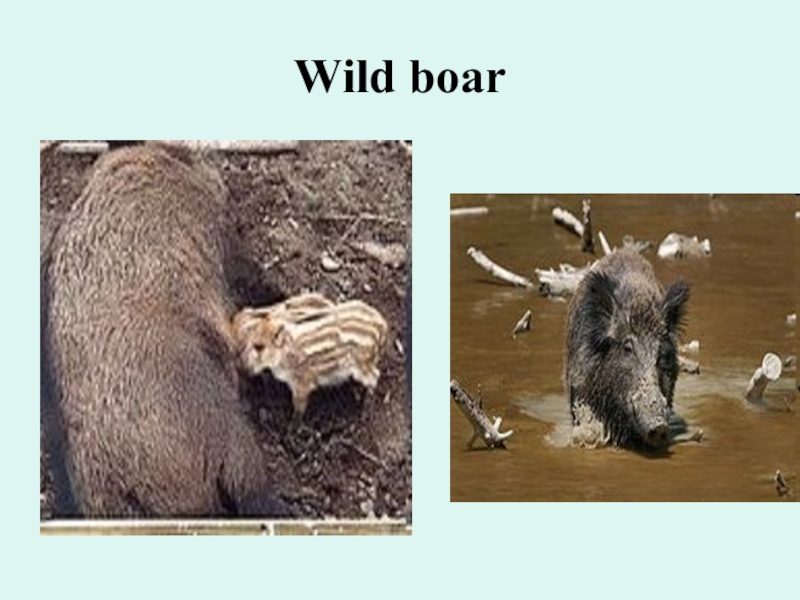
Слайд 105
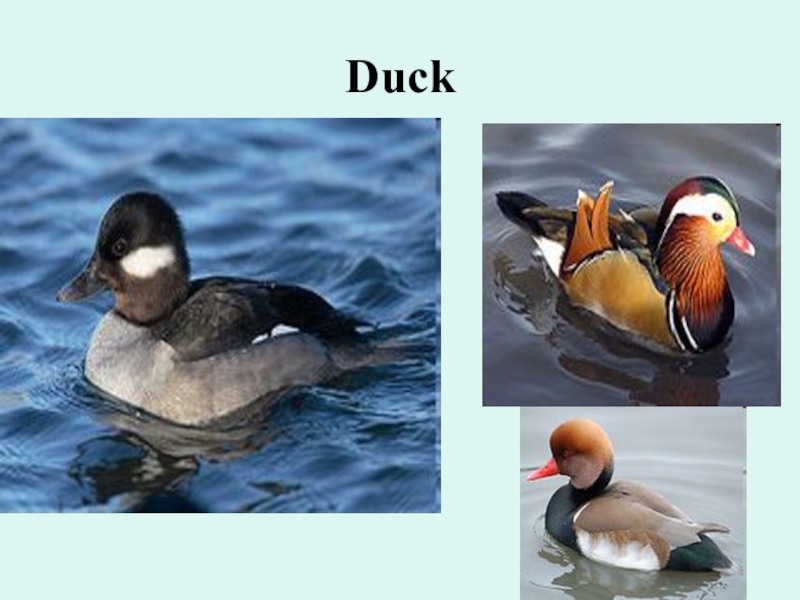
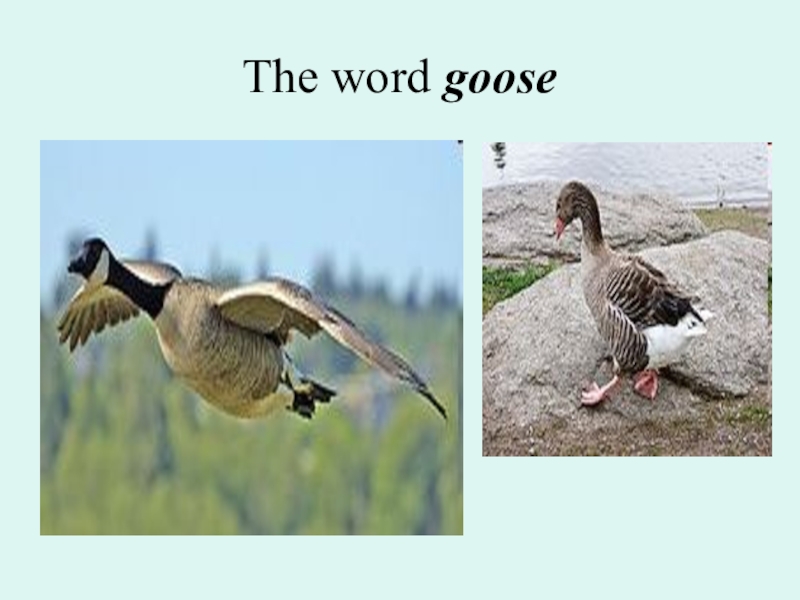
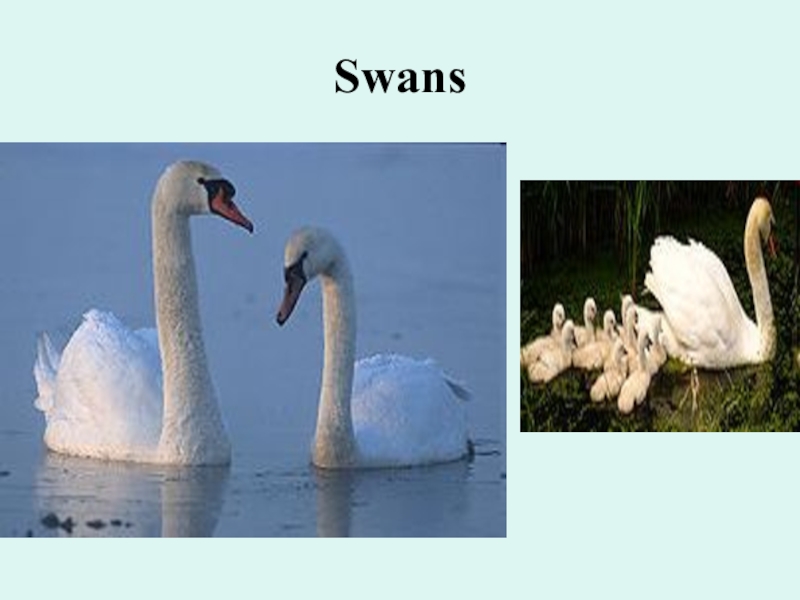
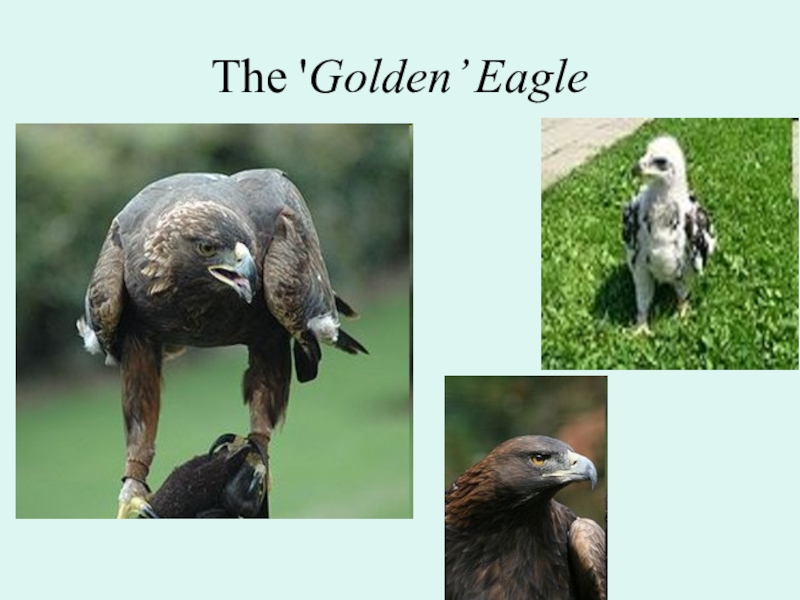
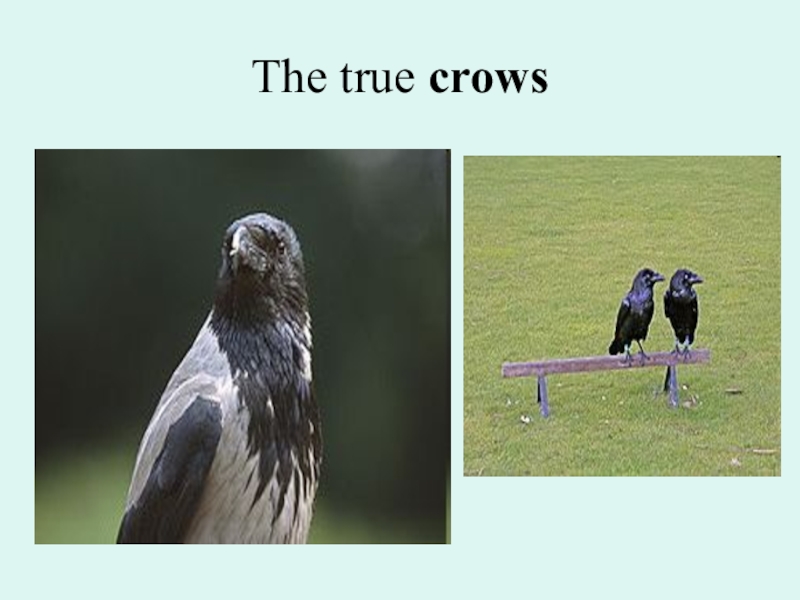
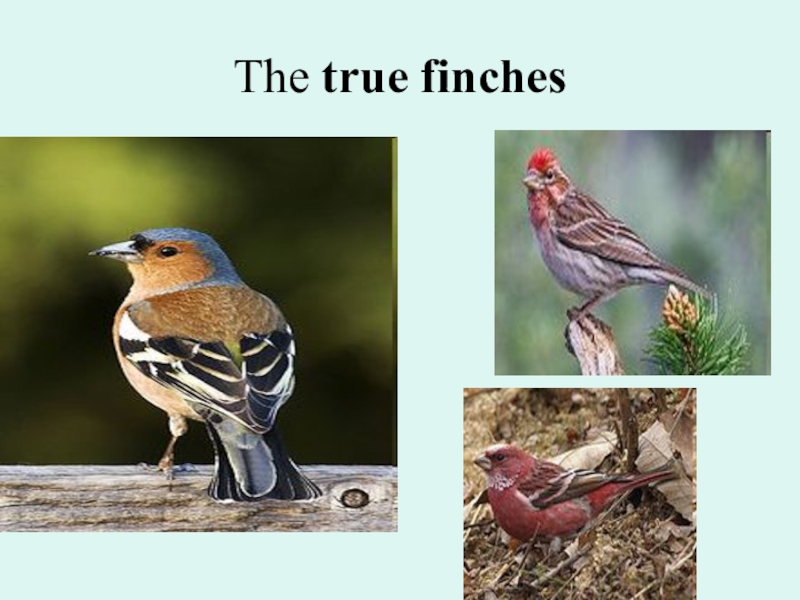
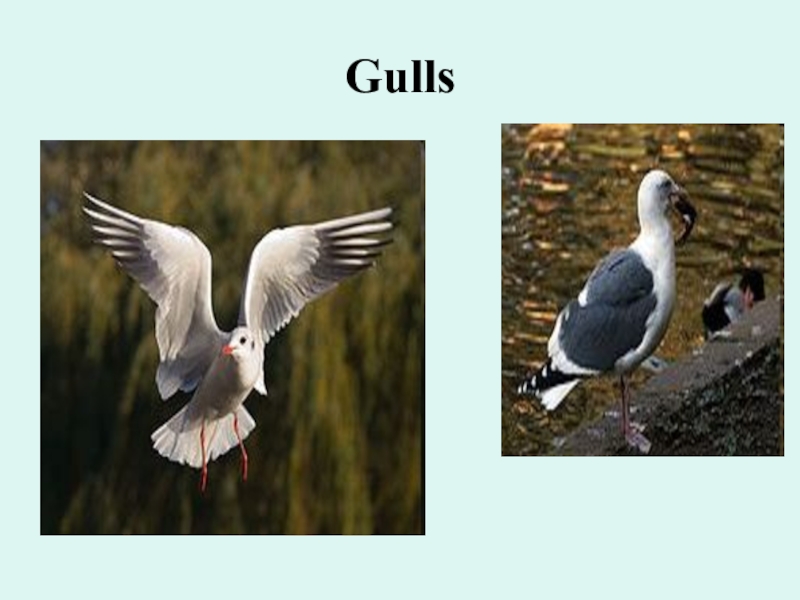
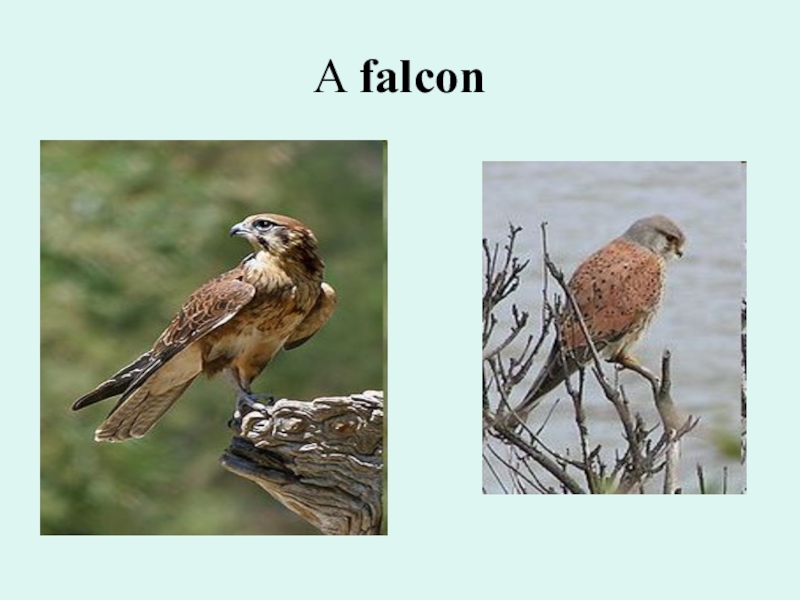
There is a wealth of birdlife in Britain, 583 species in
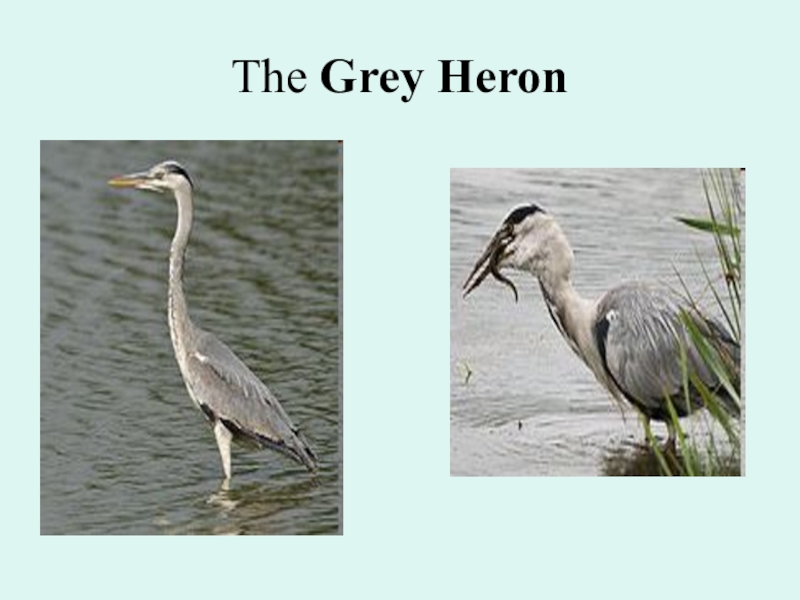
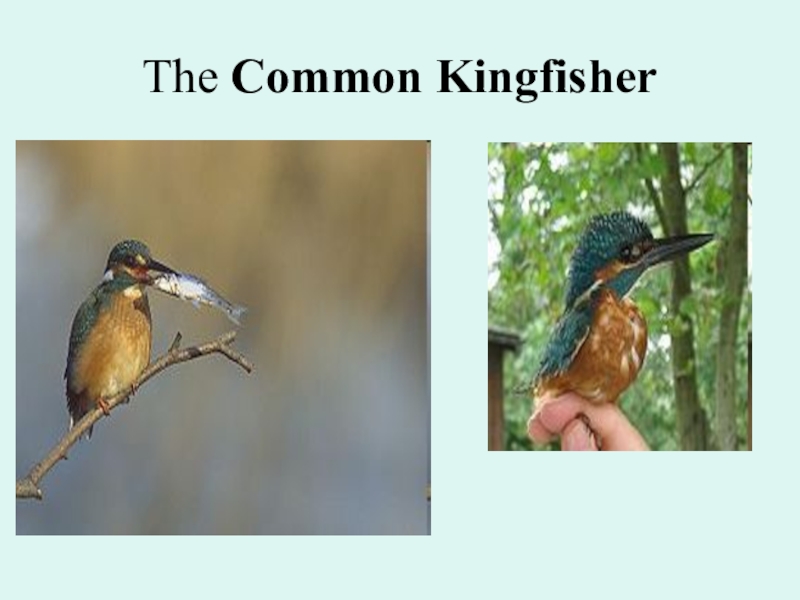
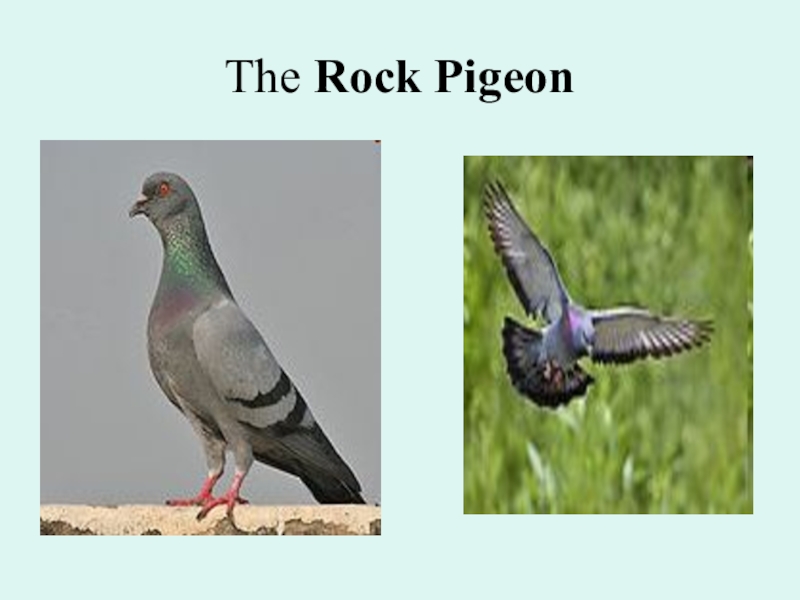
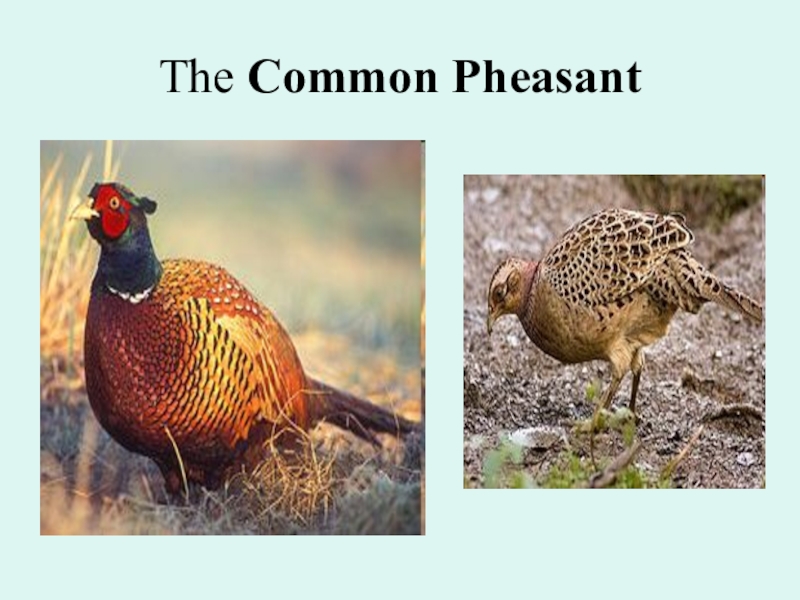
total, of which 258 breed on the island or remain during winter. Because of its mild winters for its latitude, Great Britain hosts important numbers of many wintering species, particularly ducks, geese and swans. Other well known bird species include the golden eagle, grey heron, kingfisher, pigeon, pheasant, and various species of crow, finch, gull, auk, grouse, and falcon.
Слайд 118
There are six species of reptile on the island; three snakes
and three lizards including the legless slow worm. One snake, the adder, is venomous but rarely deadly.