- Главная
- Разное
- Образование
- Спорт
- Естествознание
- Природоведение
- Религиоведение
- Французский язык
- Черчение
- Английский язык
- Астрономия
- Алгебра
- Биология
- География
- Геометрия
- Детские презентации
- Информатика
- История
- Литература
- Математика
- Музыка
- МХК
- Немецкий язык
- ОБЖ
- Обществознание
- Окружающий мир
- Педагогика
- Русский язык
- Технология
- Физика
- Философия
- Химия
- Шаблоны, фоны, картинки для презентаций
- Экология
- Экономика
Презентация, доклад на тему Виртуальная экскурсия London Zoo
Содержание
- 1. Виртуальная экскурсия London Zoo
- 2. Some useful informationOn 27th April 1828, London
- 3. Let’s find out the location of London
- 4. Слайд 4
- 5. For the first time, big cat lovers
- 6. Asiatic lionAnimal facts There are just over 600
- 7. In With The Spiders
- 8. In with the Spiders will bring people
- 9. Emperor Scorpion Red-Kneed Spider
- 10. Golden Orb Weaver Fen Raft Spider
- 11. Слайд 11
- 12. Designed by the Zoo’s expert keepers and
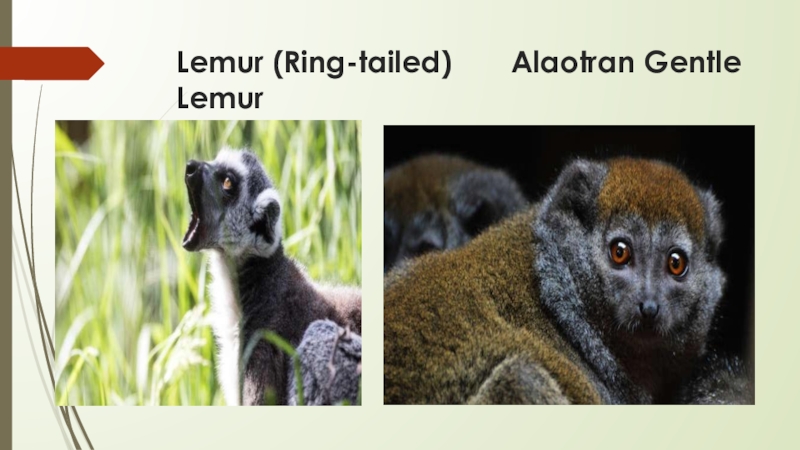
- 13. Lemur (Ring-tailed) Alaotran Gentle Lemur
- 14. Aye-ayeWhat they look like: The largest nocturnal primate,
- 15. Gorilla Kingdom
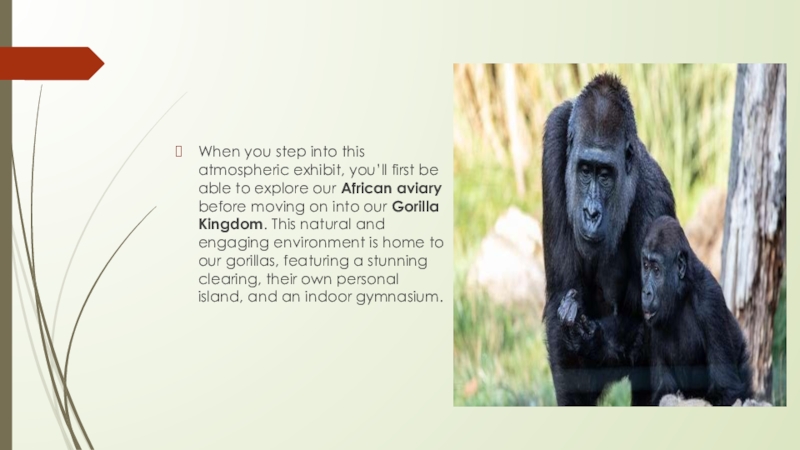
- 16. When you step into this atmospheric exhibit,
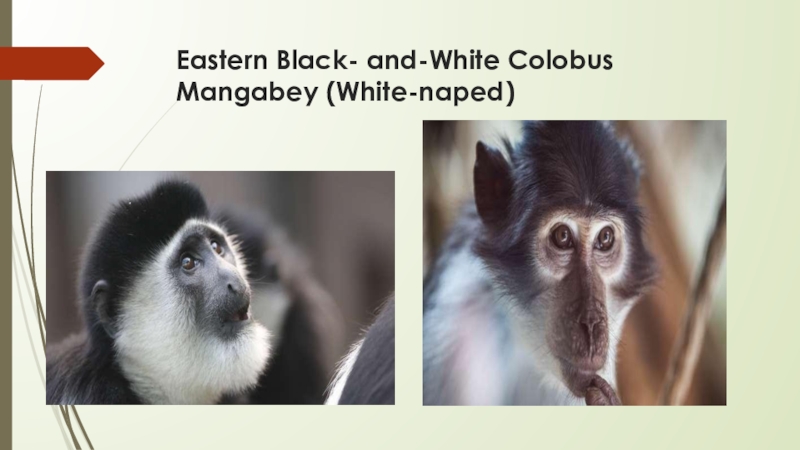
- 17. Eastern Black- and-White Colobus Mangabey (White-naped)
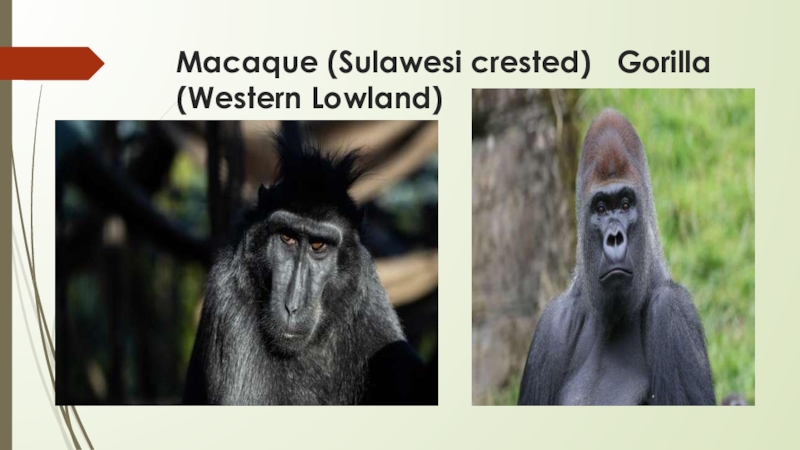
- 18. Macaque (Sulawesi crested) Gorilla (Western Lowland)
- 19. Penguin Beach
- 20. Penguin Beach recreates a South American beach
- 21. Penguin (Humboldt)Animal factsHumboldt penguins preen themselves and
- 22. Слайд 22
- 23. Rainforest Life
- 24. .Enter London’s only living rainforest where you
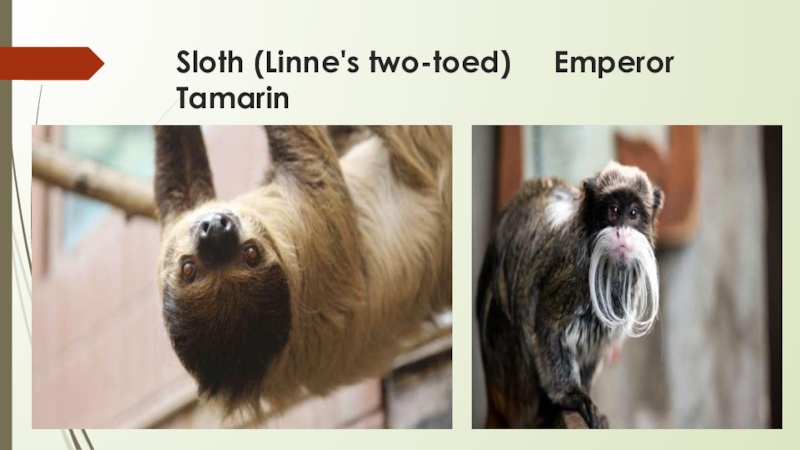
- 25. Sloth (Linne's two-toed) Emperor Tamarin
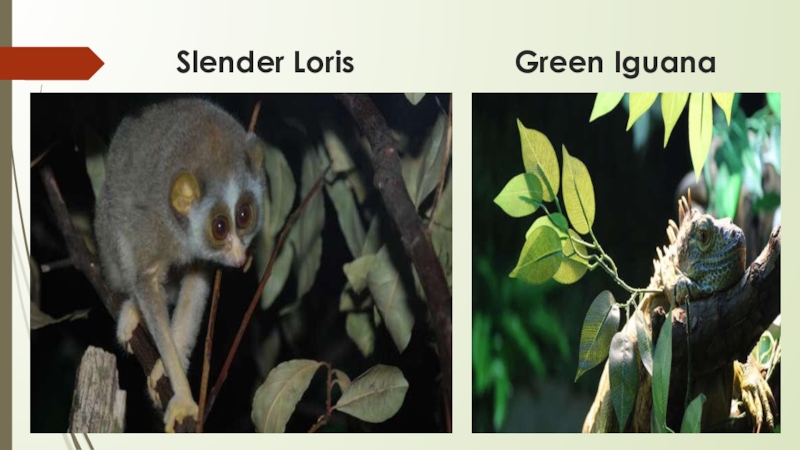
- 26. Slender Loris Green Iguana
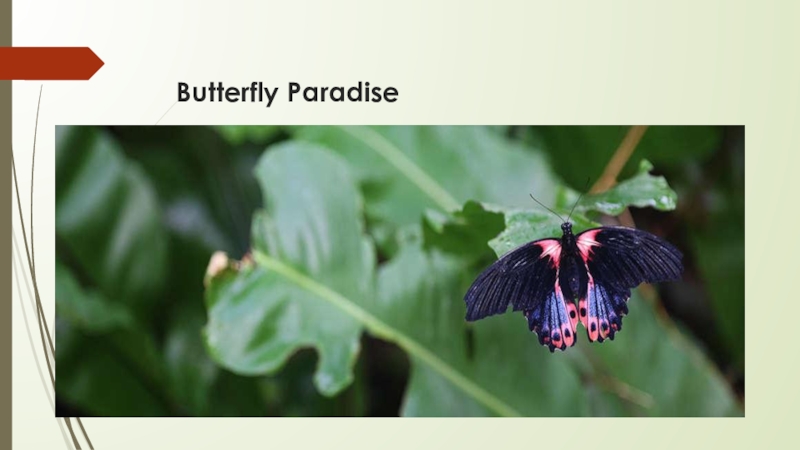
- 27. Butterfly Paradise
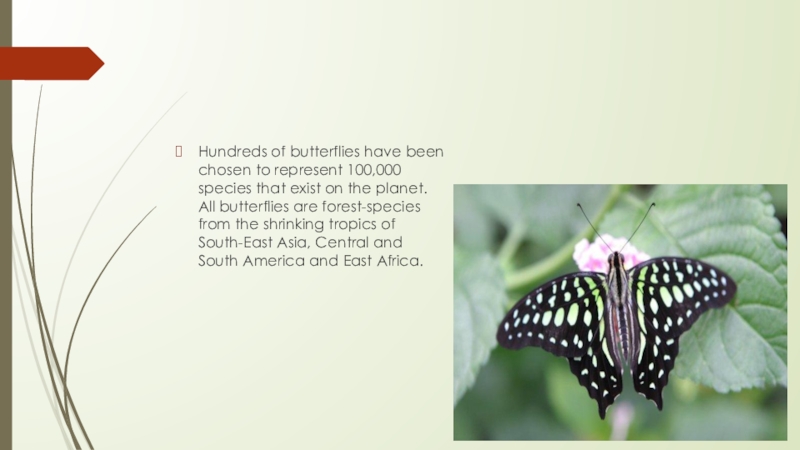
- 28. Hundreds of butterflies have been chosen to
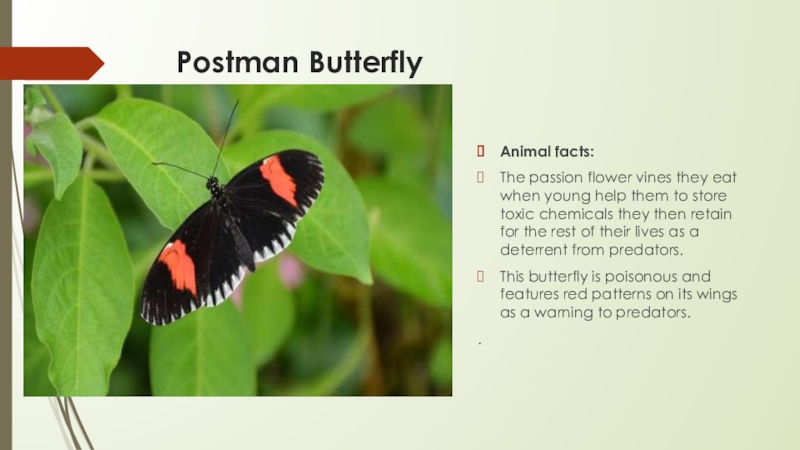
- 29. Postman ButterflyAnimal facts: The passion flower vines
- 30. Tiger Territory
- 31. Visitors to Tiger Territory will embark on
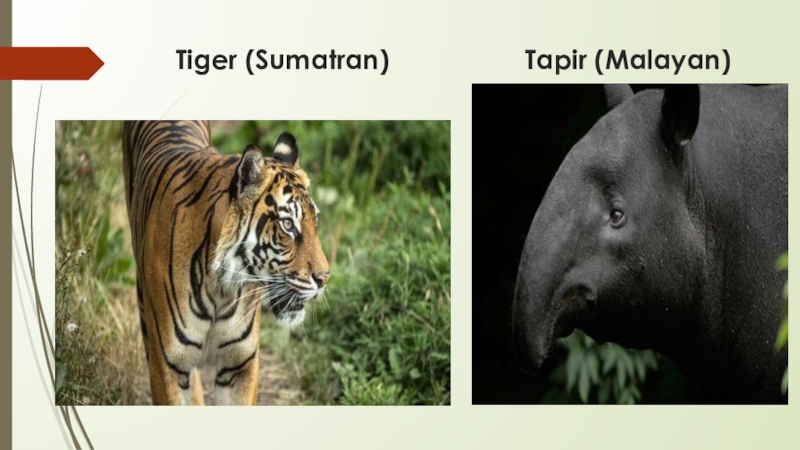
- 32. Tiger (Sumatran) Tapir (Malayan)
- 33. This is the end of our excursionThank you for attention
Some useful informationOn 27th April 1828, London Zoo was opened in London. At first, it was only used for scientific study collection. In 1847, London Zoo was opened for public visitors. There are 17,480 individual animals

Слайд 2Some useful information
On 27th April 1828, London Zoo was opened in
London. At first, it was only used for scientific study collection. In 1847, London Zoo was opened for public visitors. There are 17,480 individual animals housed in the zoo included in 756 species. In United Kingdom, London Zoo takes the record with one of the largest collections of animals. The nickname of this zoo is Regent’s Zoo.
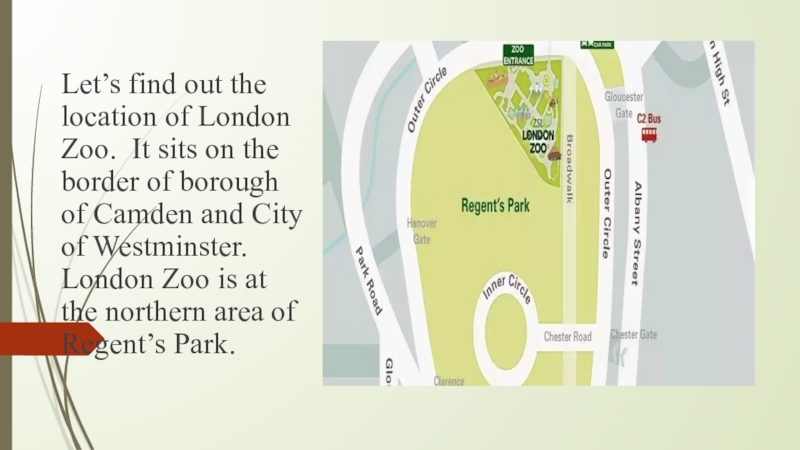
Слайд 3Let’s find out the location of London Zoo. It sits on
the border of borough of Camden and City of Westminster. London Zoo is at the northern area of Regent’s Park.
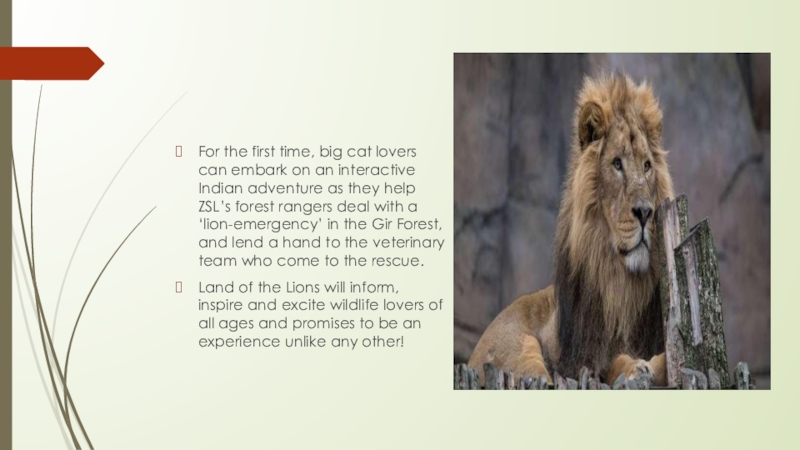
Слайд 5For the first time, big cat lovers can embark on an
interactive Indian adventure as they help ZSL’s forest rangers deal with a ‘lion-emergency’ in the Gir Forest, and lend a hand to the veterinary team who come to the rescue.
Land of the Lions will inform, inspire and excite wildlife lovers of all ages and promises to be an experience unlike any other!
Land of the Lions will inform, inspire and excite wildlife lovers of all ages and promises to be an experience unlike any other!
Слайд 6Asiatic lion
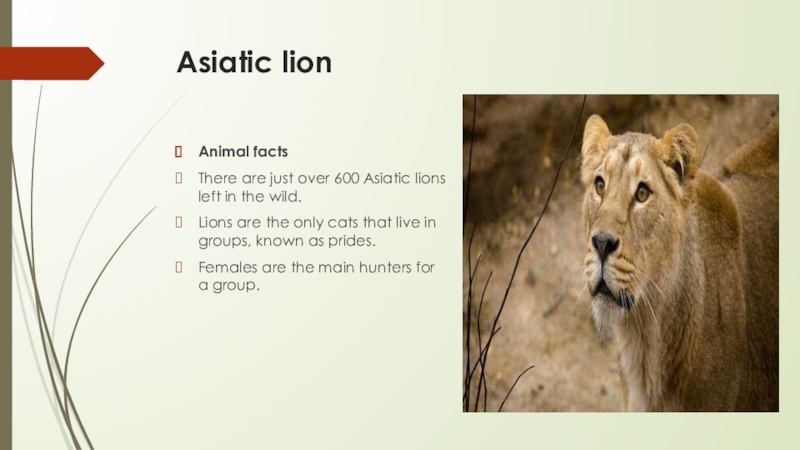
Animal facts
There are just over 600 Asiatic lions left in
the wild.
Lions are the only cats that live in groups, known as prides.
Females are the main hunters for a group.
Lions are the only cats that live in groups, known as prides.
Females are the main hunters for a group.
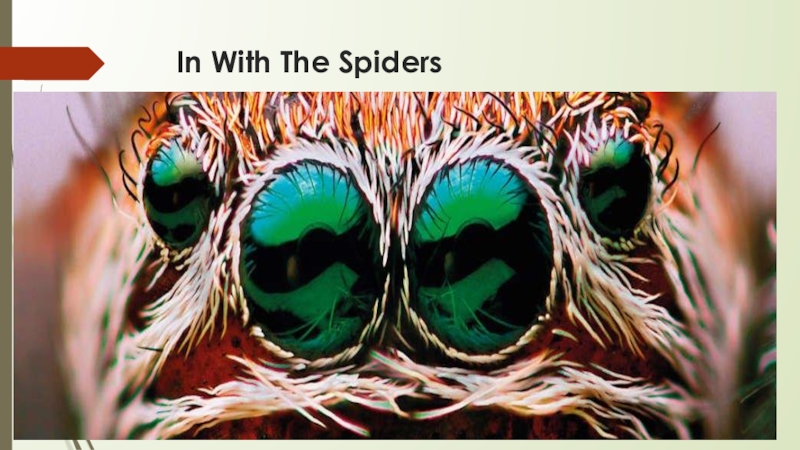
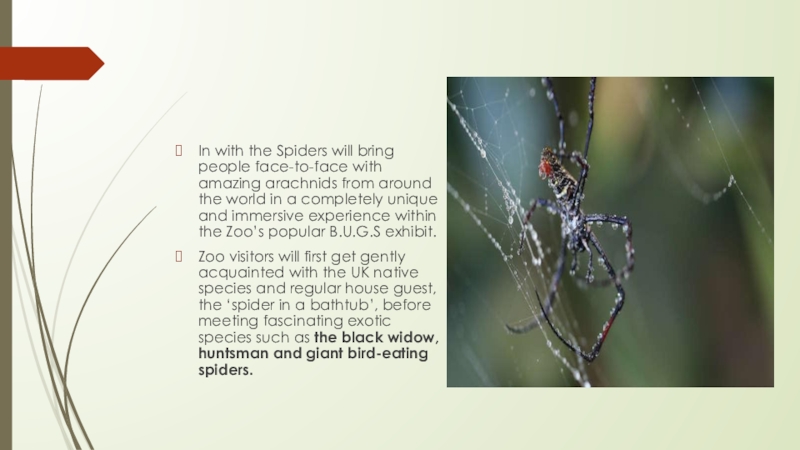
Слайд 8In with the Spiders will bring people face-to-face with amazing arachnids
from around the world in a completely unique and immersive experience within the Zoo’s popular B.U.G.S exhibit.
Zoo visitors will first get gently acquainted with the UK native species and regular house guest, the ‘spider in a bathtub’, before meeting fascinating exotic species such as the black widow, huntsman and giant bird-eating spiders.
Zoo visitors will first get gently acquainted with the UK native species and regular house guest, the ‘spider in a bathtub’, before meeting fascinating exotic species such as the black widow, huntsman and giant bird-eating spiders.
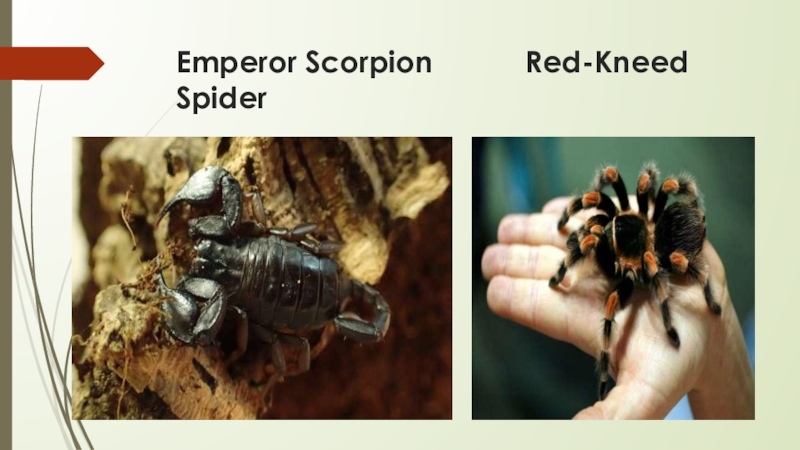
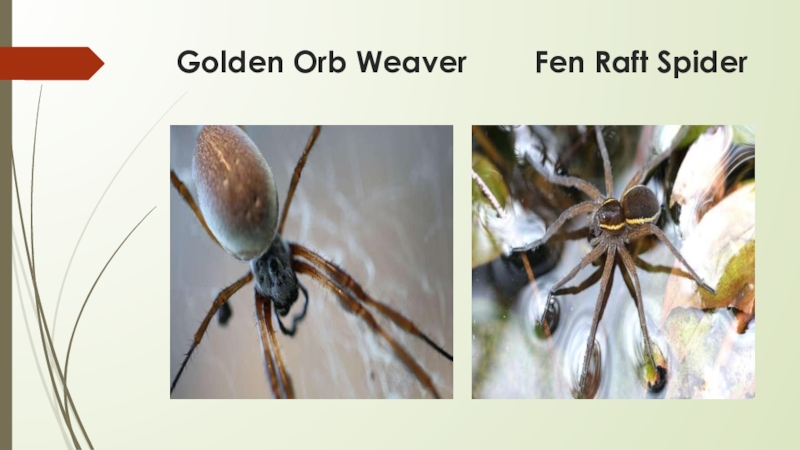
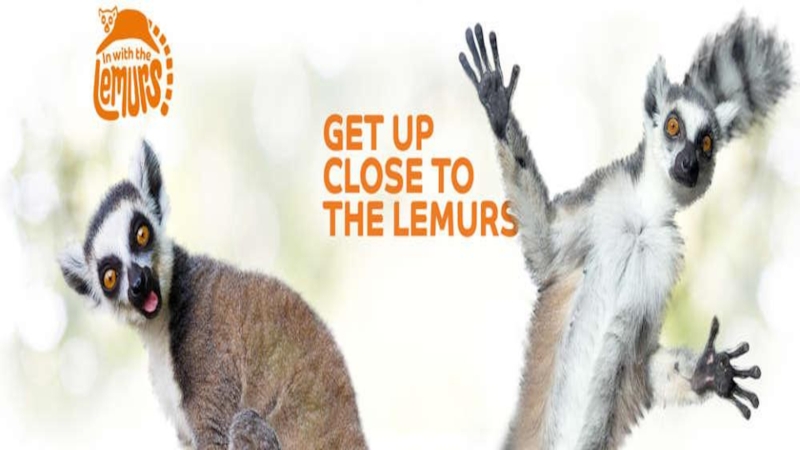
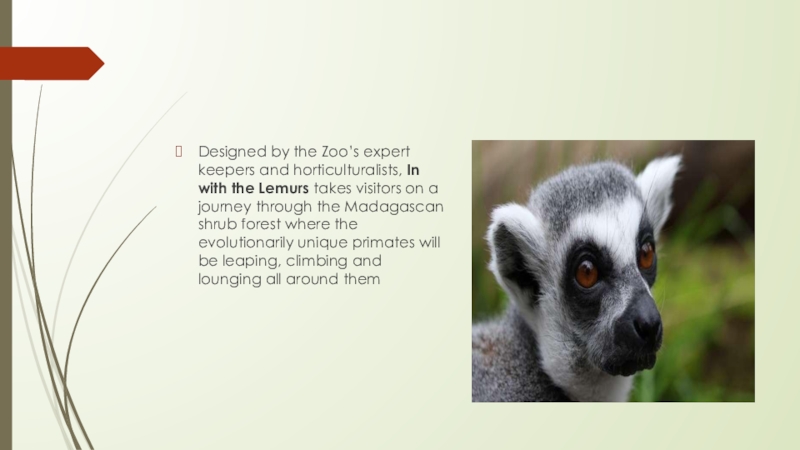
Слайд 12Designed by the Zoo’s expert keepers and horticulturalists, In with the Lemurs takes
visitors on a journey through the Madagascan shrub forest where the evolutionarily unique primates will be leaping, climbing and lounging all around them
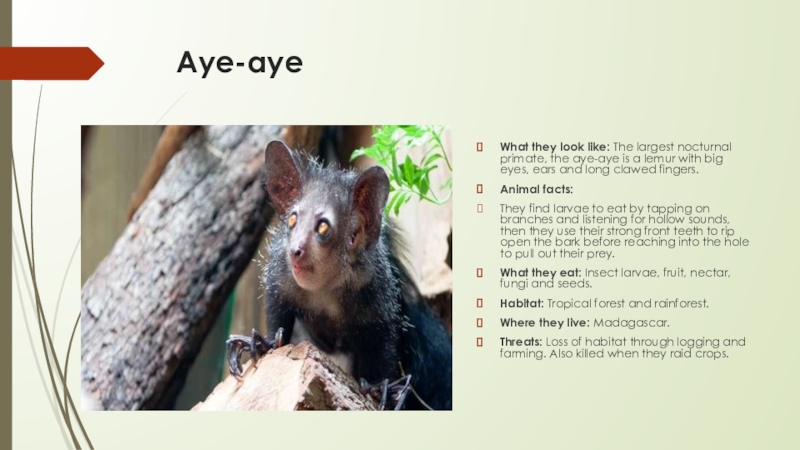
Слайд 14Aye-aye
What they look like: The largest nocturnal primate, the aye-aye is a
lemur with big eyes, ears and long clawed fingers.
Animal facts:
They find larvae to eat by tapping on branches and listening for hollow sounds, then they use their strong front teeth to rip open the bark before reaching into the hole to pull out their prey.
What they eat: Insect larvae, fruit, nectar, fungi and seeds.
Habitat: Tropical forest and rainforest.
Where they live: Madagascar.
Threats: Loss of habitat through logging and farming. Also killed when they raid crops.
Animal facts:
They find larvae to eat by tapping on branches and listening for hollow sounds, then they use their strong front teeth to rip open the bark before reaching into the hole to pull out their prey.
What they eat: Insect larvae, fruit, nectar, fungi and seeds.
Habitat: Tropical forest and rainforest.
Where they live: Madagascar.
Threats: Loss of habitat through logging and farming. Also killed when they raid crops.
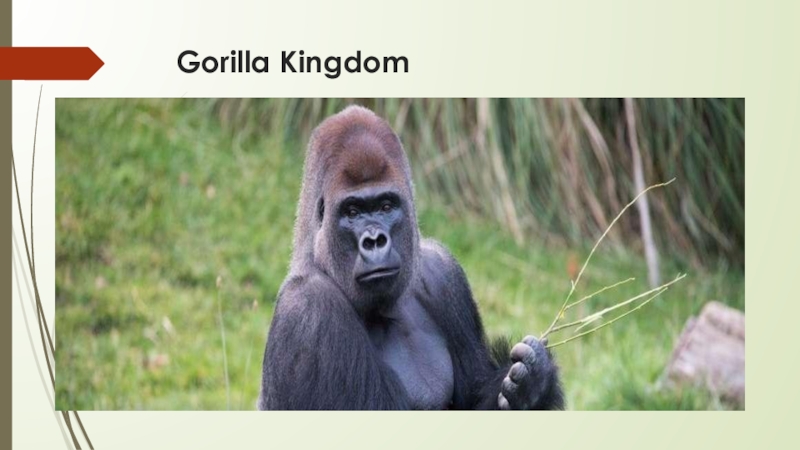
Слайд 16When you step into this atmospheric exhibit, you’ll first be able
to explore our African aviary before moving on into our Gorilla Kingdom. This natural and engaging environment is home to our gorillas, featuring a stunning clearing, their own personal island, and an indoor gymnasium.
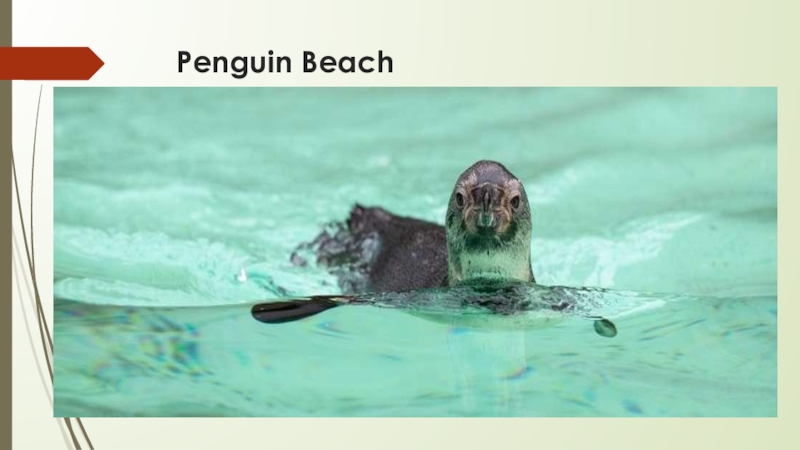
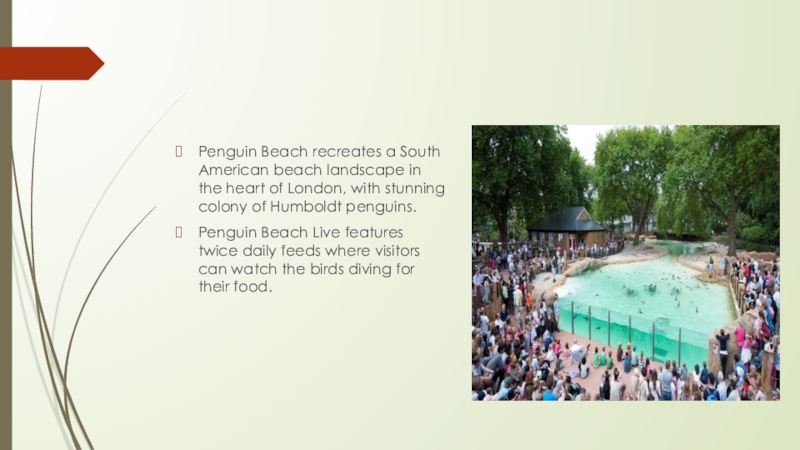
Слайд 20Penguin Beach recreates a South American beach landscape in the heart
of London, with stunning colony of Humboldt penguins.
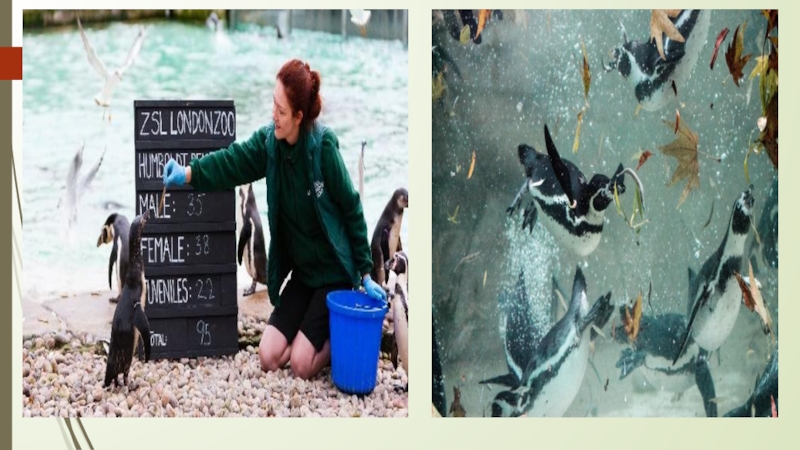
Penguin Beach Live features twice daily feeds where visitors can watch the birds diving for their food.
Penguin Beach Live features twice daily feeds where visitors can watch the birds diving for their food.
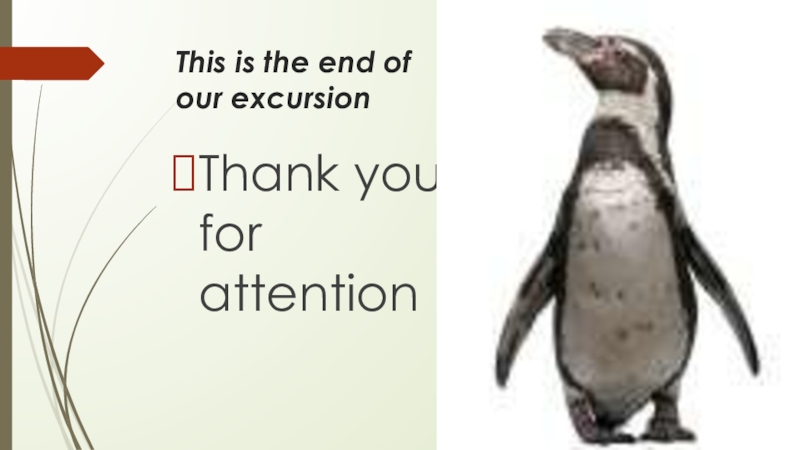
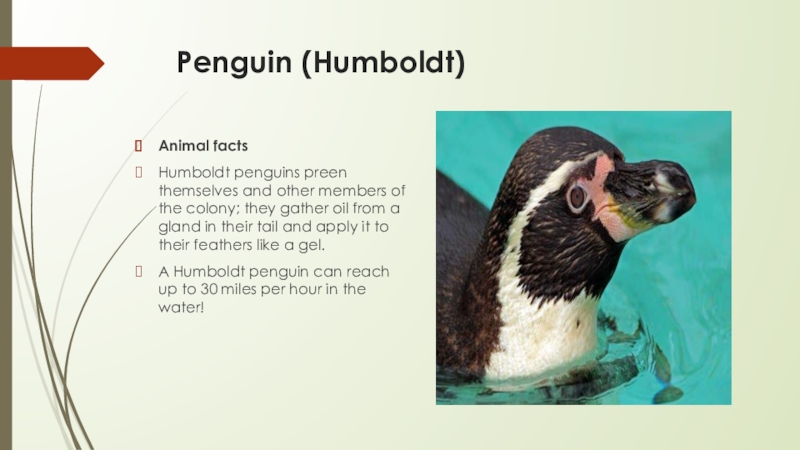
Слайд 21Penguin (Humboldt)
Animal facts
Humboldt penguins preen themselves and other members of the
colony; they gather oil from a gland in their tail and apply it to their feathers like a gel.
A Humboldt penguin can reach up to 30 miles per hour in the water!
A Humboldt penguin can reach up to 30 miles per hour in the water!
Слайд 24.
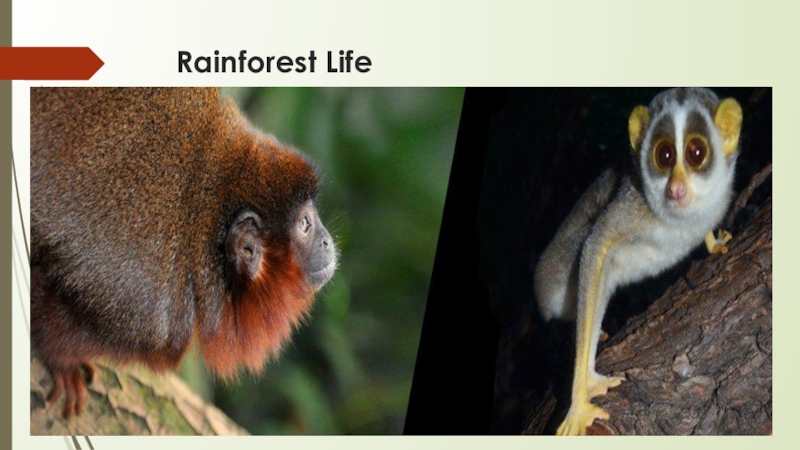
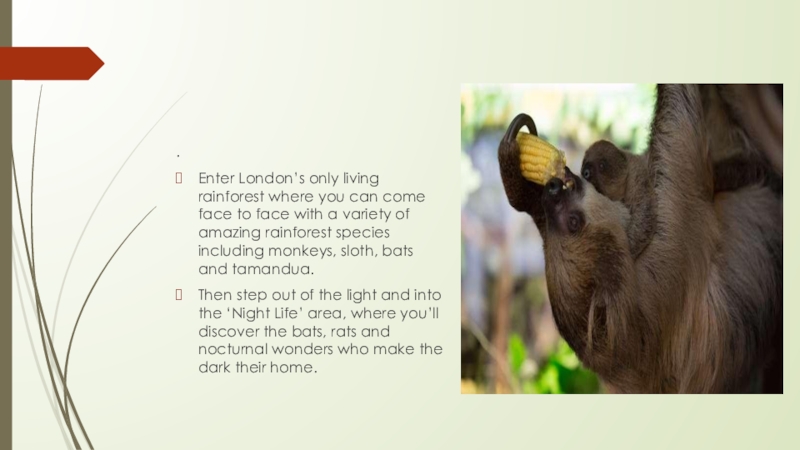
Enter London’s only living rainforest where you can come face to
face with a variety of amazing rainforest species including monkeys, sloth, bats and tamandua.
Then step out of the light and into the ‘Night Life’ area, where you’ll discover the bats, rats and nocturnal wonders who make the dark their home.
Then step out of the light and into the ‘Night Life’ area, where you’ll discover the bats, rats and nocturnal wonders who make the dark their home.
Слайд 28Hundreds of butterflies have been chosen to represent 100,000 species that
exist on the planet. All butterflies are forest-species from the shrinking tropics of South-East Asia, Central and South America and East Africa.
Слайд 29Postman Butterfly
Animal facts:
The passion flower vines they eat when young
help them to store toxic chemicals they then retain for the rest of their lives as a deterrent from predators.
This butterfly is poisonous and features red patterns on its wings as a warning to predators.
.
This butterfly is poisonous and features red patterns on its wings as a warning to predators.
.
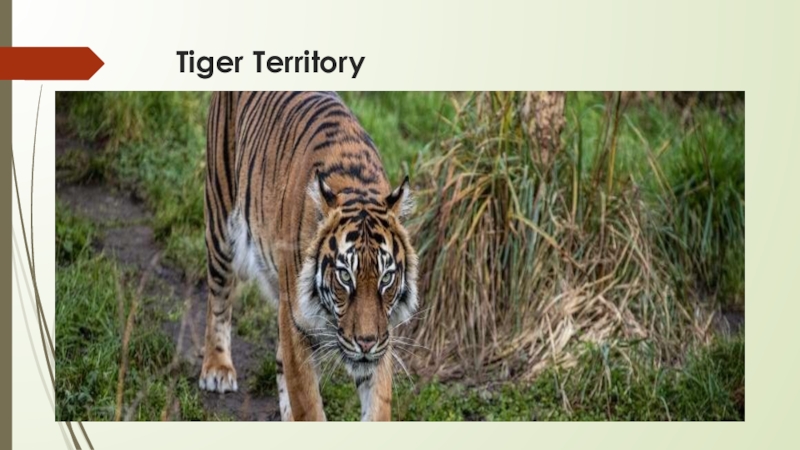
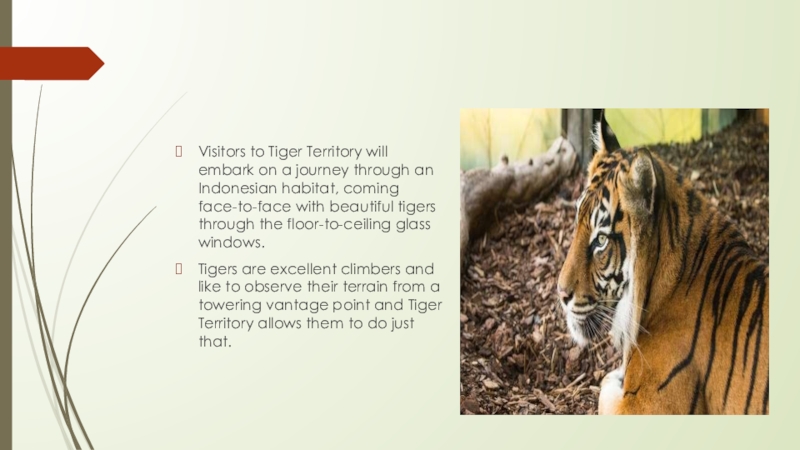
Слайд 31Visitors to Tiger Territory will embark on a journey through an
Indonesian habitat, coming face-to-face with beautiful tigers through the floor-to-ceiling glass windows.
Tigers are excellent climbers and like to observe their terrain from a towering vantage point and Tiger Territory allows them to do just that.
Tigers are excellent climbers and like to observe their terrain from a towering vantage point and Tiger Territory allows them to do just that.