- Главная
- Разное
- Образование
- Спорт
- Естествознание
- Природоведение
- Религиоведение
- Французский язык
- Черчение
- Английский язык
- Астрономия
- Алгебра
- Биология
- География
- Геометрия
- Детские презентации
- Информатика
- История
- Литература
- Математика
- Музыка
- МХК
- Немецкий язык
- ОБЖ
- Обществознание
- Окружающий мир
- Педагогика
- Русский язык
- Технология
- Физика
- Философия
- Химия
- Шаблоны, фоны, картинки для презентаций
- Экология
- Экономика
Презентация, доклад проекта по английскому языку English Landmarks and Occupations in St.Petersburg.
Содержание
- 1. Презентация проекта по английскому языку English Landmarks and Occupations in St.Petersburg.
- 2. The Spit of Vasilyevsky IslandThe first British
- 3. The Spit of Vasilyevsky Island
- 4. English QuayThe name of the embankment is
- 5. English Quay
- 6. Anglican ChurchThe church was built at the
- 7. Anglican Church
- 8. English AvenueThe prospect lies between two embankments:
- 9. English Avenue
- 10. Dacha Gauswald In St. Petersburg, on Kamenny
- 11. Dacha Gauswald
- 12. English park and palace in PeterhofThe first
- 13. English park and palace in Peterhof
- 14. English sportsThe enthusiasm for yacht and horse
- 15. English sports
- 16. British Book CentreThose who study English or
- 17. The Estate of Grand Duke When
- 18. The English telephone boothA red telephone booths
- 19. Liverpool Bar Only those who do not
- 20. Consulate GeneralPreviously, there was a children's shelter,
- 21. Consulate General
- 22. Bookstore BritanniaAmong the numerous bookstores in St.
- 23. Слайд 23
- 24. The Project is made by students of
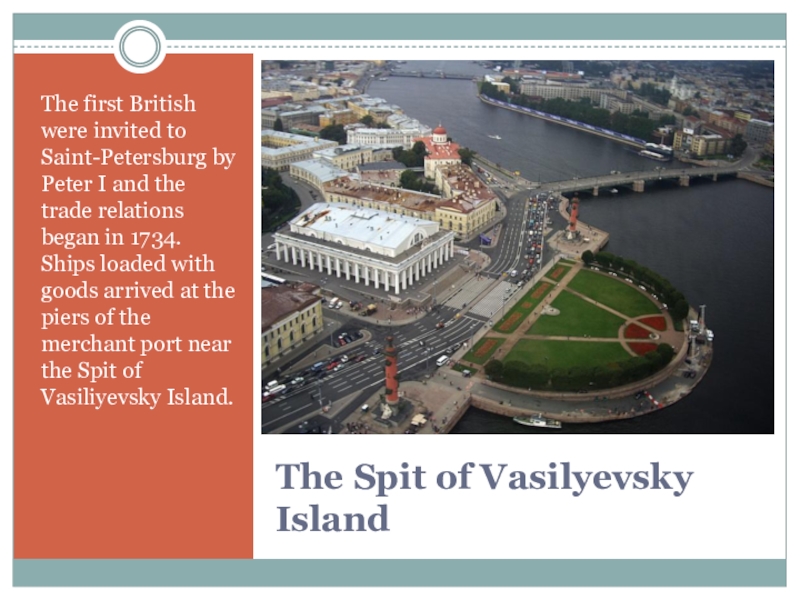
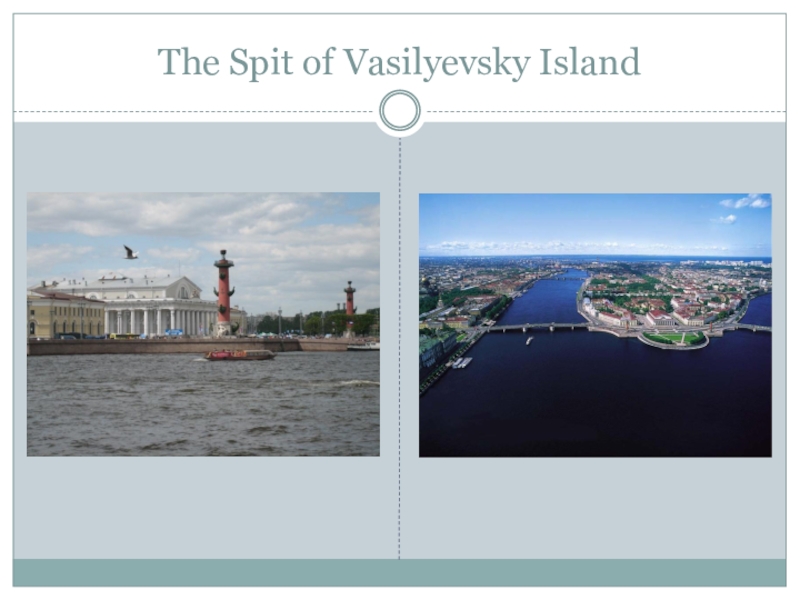
The Spit of Vasilyevsky IslandThe first British were invited to Saint-Petersburg by Peter I and the trade relations began in 1734. Ships loaded with goods arrived at the piers of the merchant port near the Spit
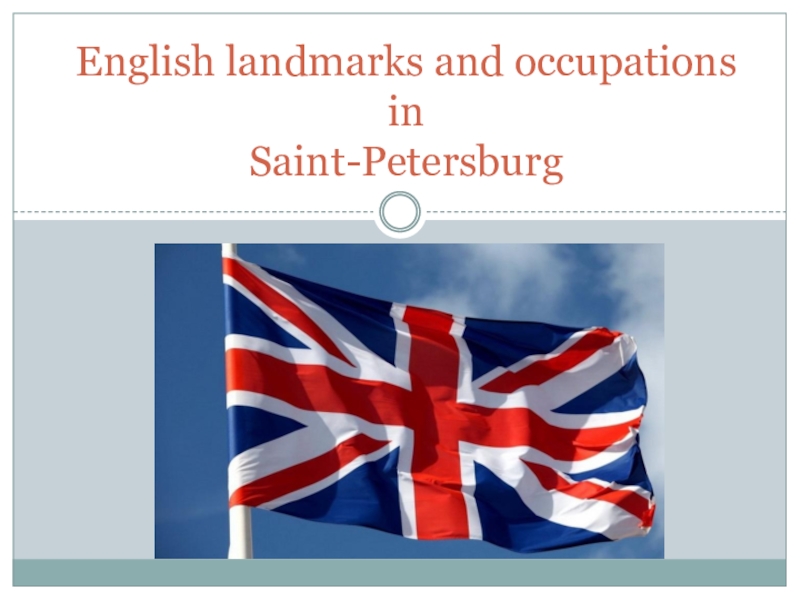
Слайд 2The Spit of Vasilyevsky Island
The first British were invited to Saint-Petersburg
by Peter I and the trade relations began in 1734. Ships loaded with goods arrived at the piers of the merchant port near the Spit of Vasiliyevsky Island.
Слайд 4English Quay
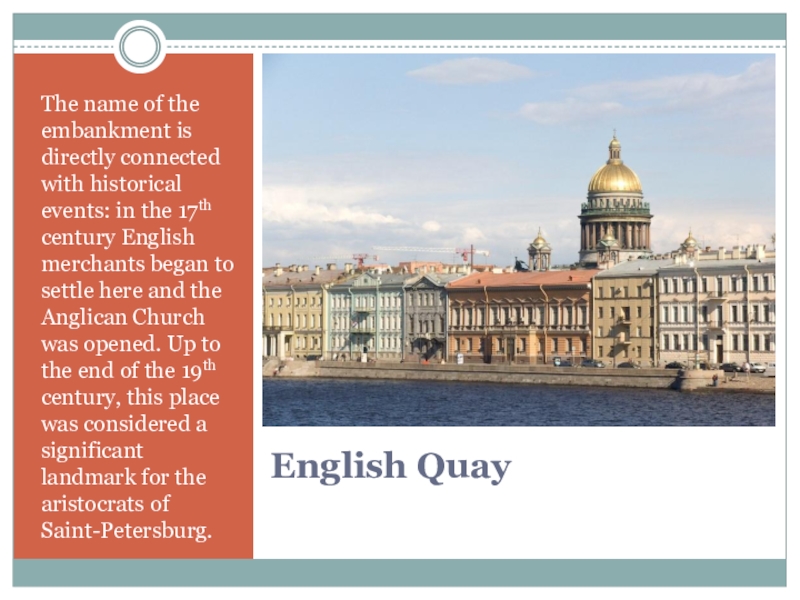
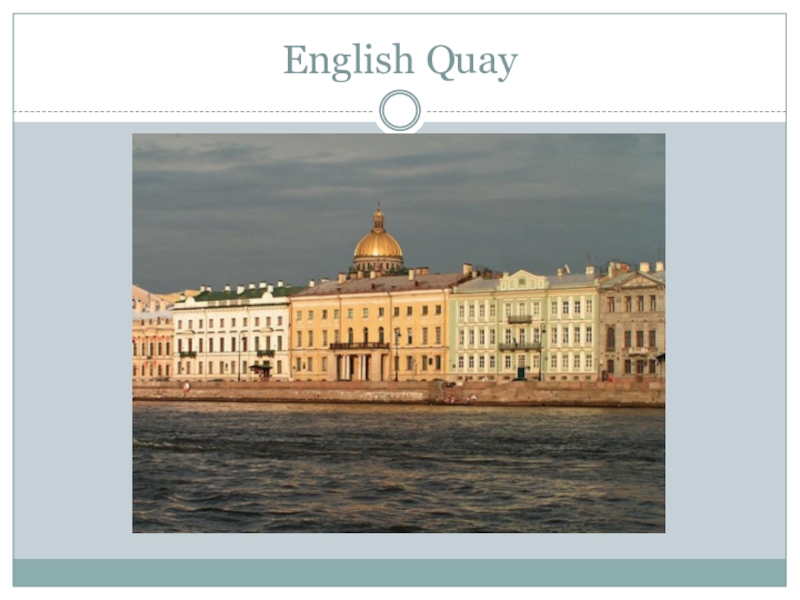
The name of the embankment is directly connected with historical
events: in the 17th century English merchants began to settle here and the Anglican Church was opened. Up to the end of the 19th century, this place was considered a significant landmark for the aristocrats of Saint-Petersburg.
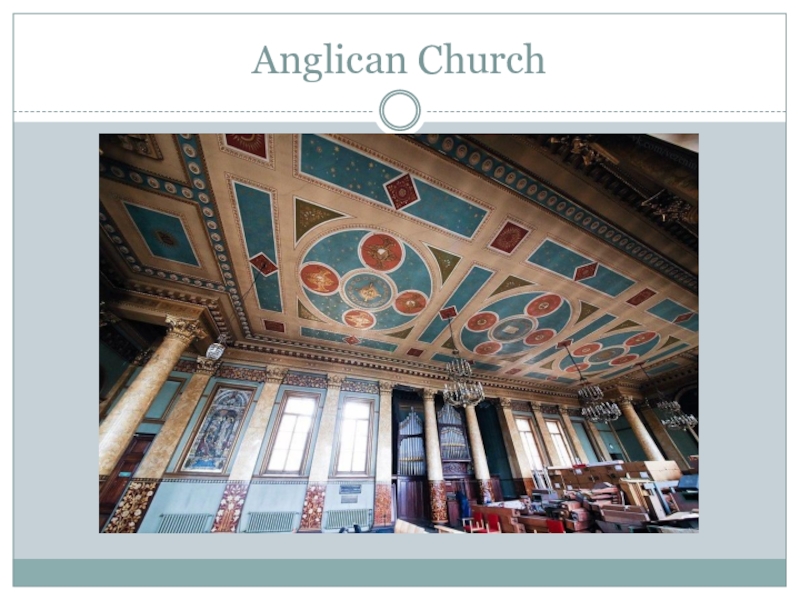
Слайд 6Anglican Church
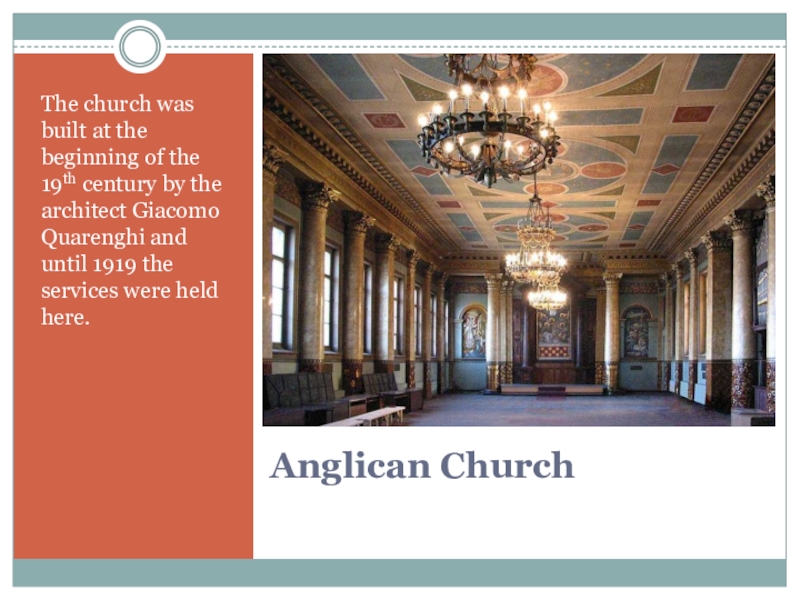
The church was built at the beginning of the 19th
century by the architect Giacomo Quarenghi and until 1919 the services were held here.
Слайд 8English Avenue
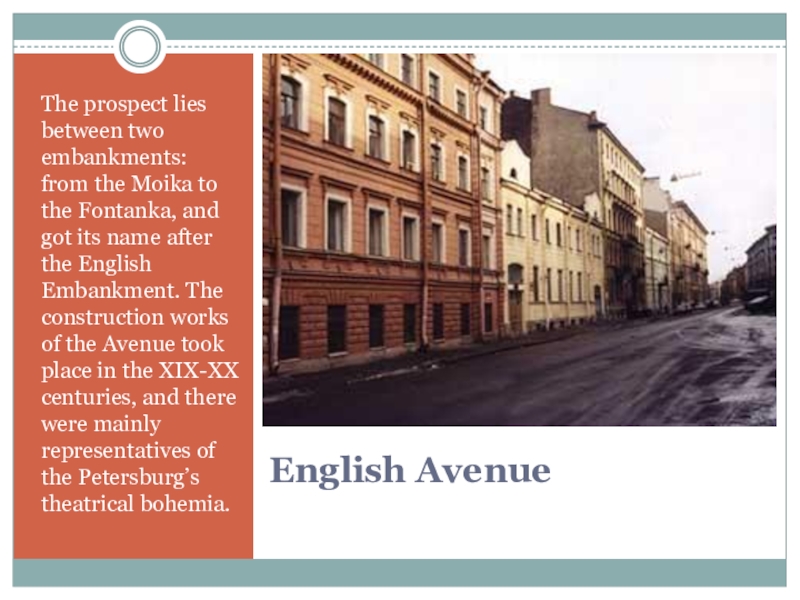
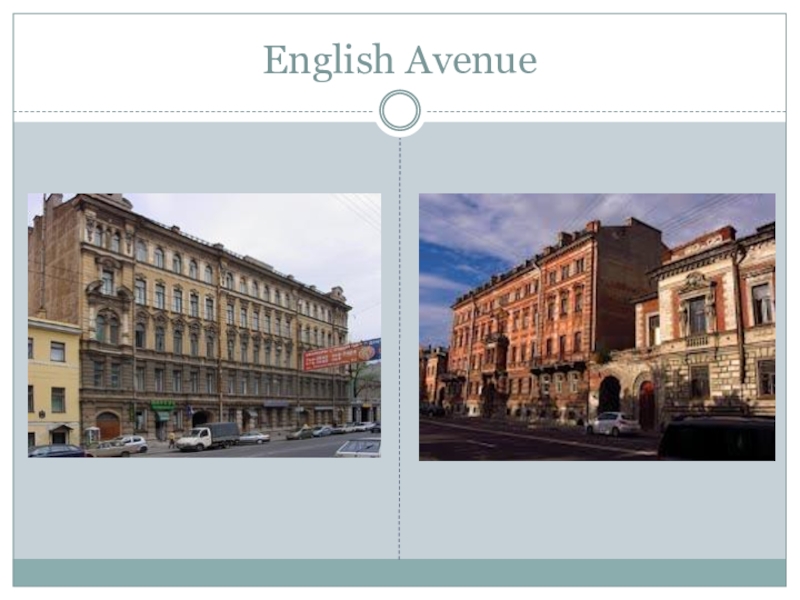
The prospect lies between two embankments: from the Moika to
the Fontanka, and got its name after the English Embankment. The construction works of the Avenue took place in the XIX-XX centuries, and there were mainly representatives of the Petersburg’s theatrical bohemia.
Слайд 10Dacha Gauswald
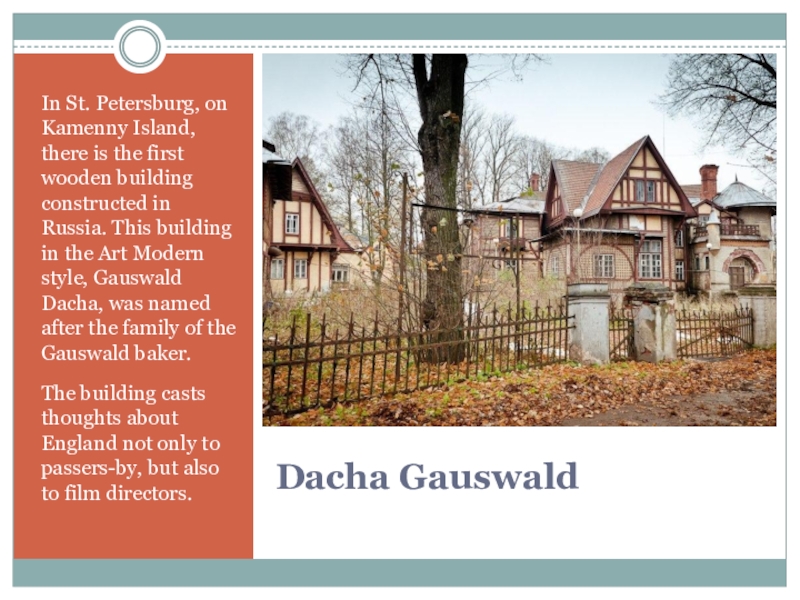
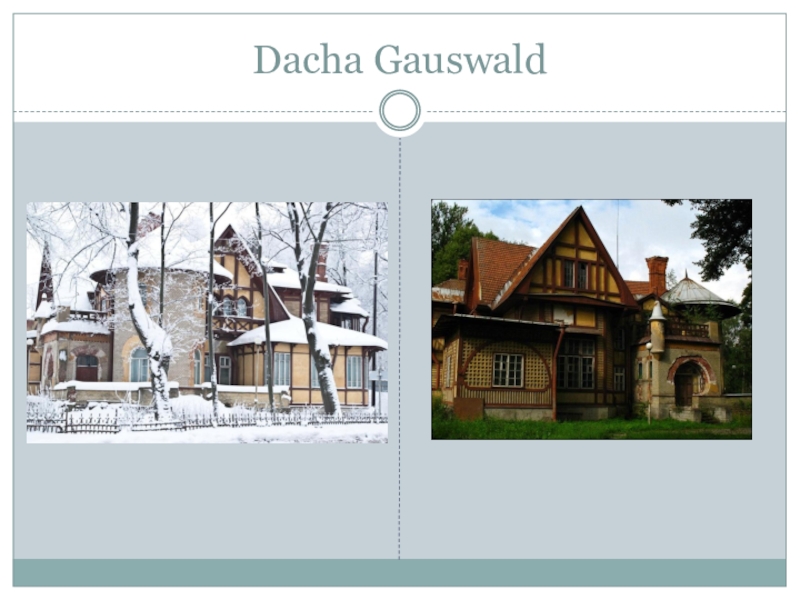
In St. Petersburg, on Kamenny Island, there is the
first wooden building constructed in Russia. This building in the Art Modern style, Gauswald Dacha, was named after the family of the Gauswald baker.
The building casts thoughts about England not only to passers-by, but also to film directors.
The building casts thoughts about England not only to passers-by, but also to film directors.
Слайд 12English park and palace in Peterhof
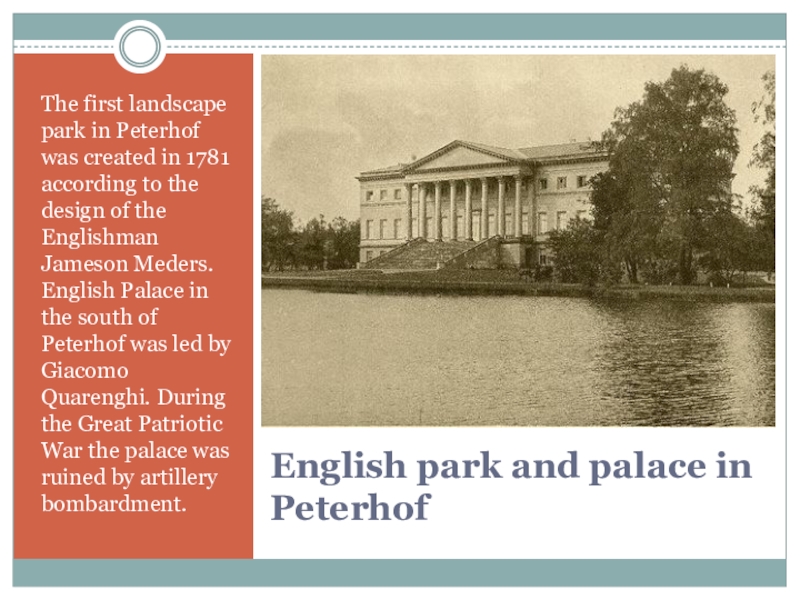
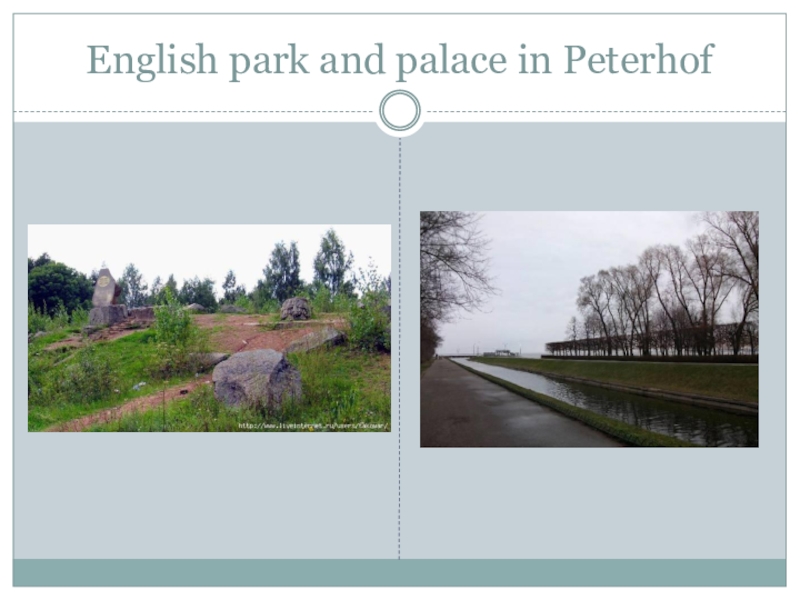
The first landscape park in Peterhof
was created in 1781 according to the design of the Englishman Jameson Meders. English Palace in the south of Peterhof was led by Giacomo Quarenghi. During the Great Patriotic War the palace was ruined by artillery bombardment.
Слайд 14English sports
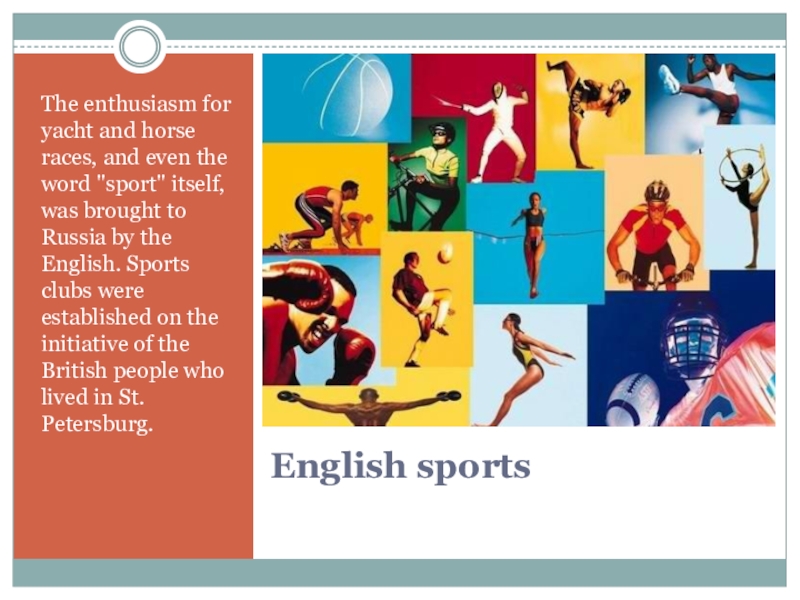
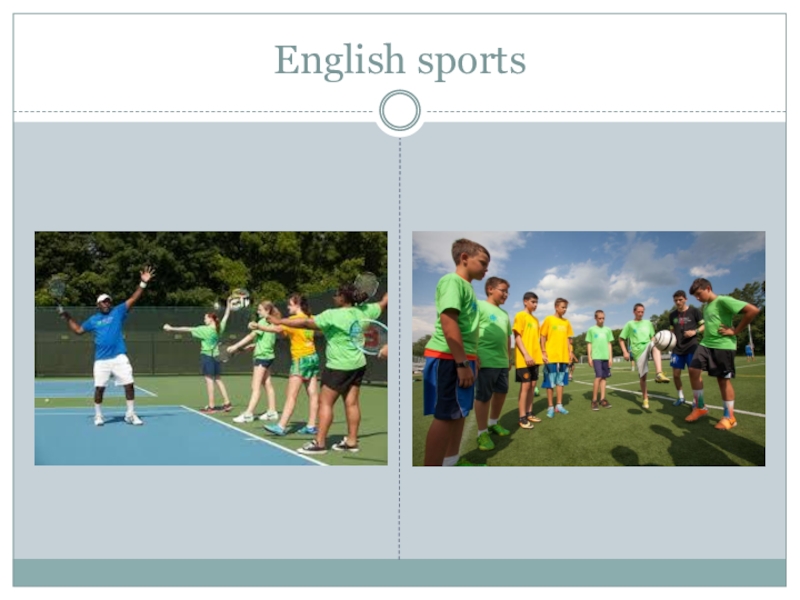
The enthusiasm for yacht and horse races, and even the
word "sport" itself, was brought to Russia by the English. Sports clubs were established on the initiative of the British people who lived in St. Petersburg.
Слайд 16British Book Centre
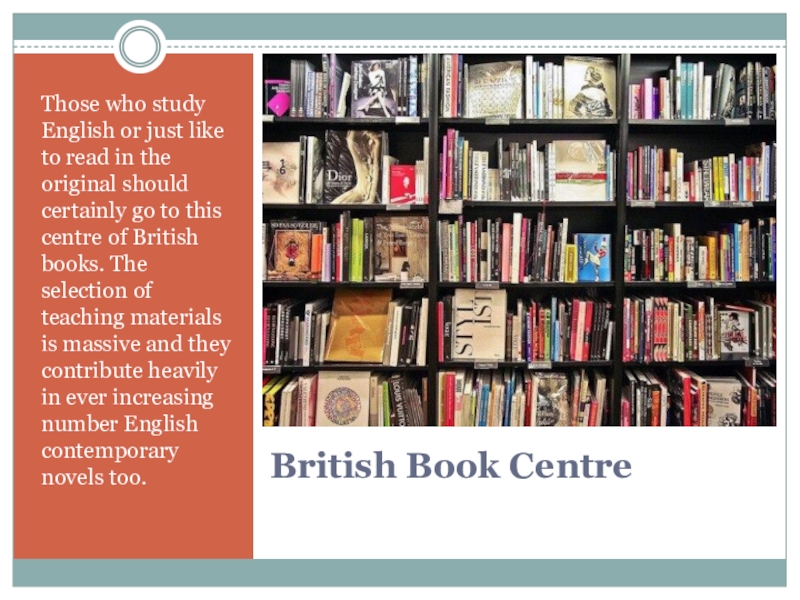
Those who study English or just like to read
in the original should certainly go to this centre of British books. The selection of teaching materials is massive and they contribute heavily in ever increasing number English contemporary novels too.
Слайд 17The Estate of Grand Duke
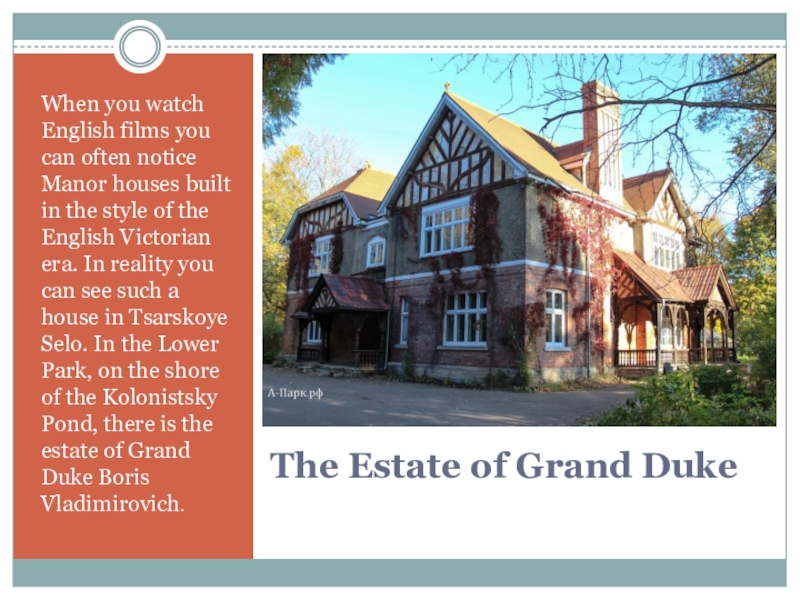
When you watch English films you
can often notice Manor houses built in the style of the English Victorian era. In reality you can see such a house in Tsarskoye Selo. In the Lower Park, on the shore of the Kolonistsky Pond, there is the estate of Grand Duke Boris Vladimirovich.
Слайд 18The English telephone booth
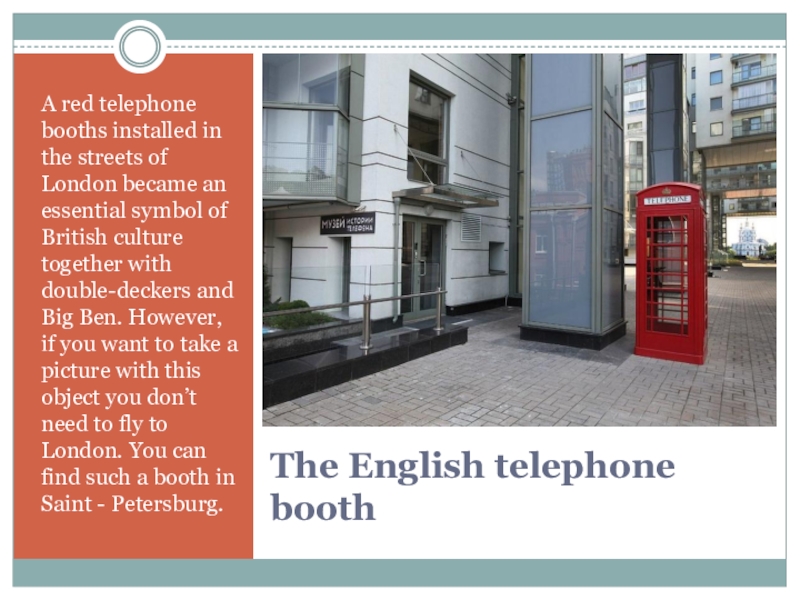
A red telephone booths installed in the streets
of London became an essential symbol of British culture together with double-deckers and Big Ben. However, if you want to take a picture with this object you don’t need to fly to London. You can find such a booth in Saint - Petersburg.
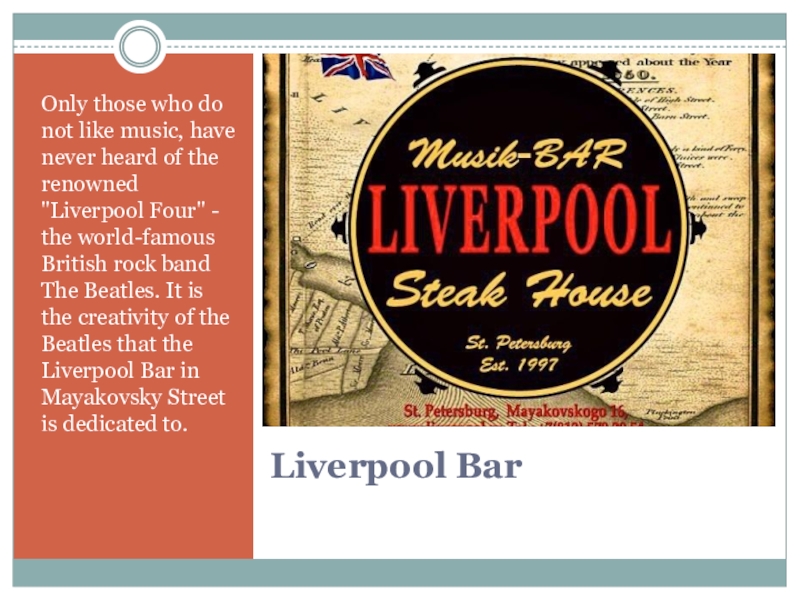
Слайд 19Liverpool Bar
Only those who do not like music, have never
heard of the renowned "Liverpool Four" - the world-famous British rock band The Beatles. It is the creativity of the Beatles that the Liverpool Bar in Mayakovsky Street is dedicated to.
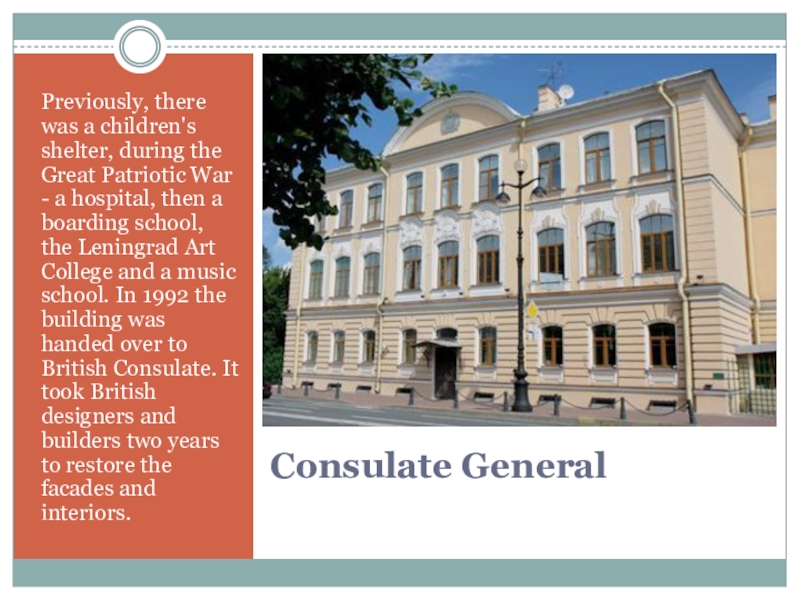
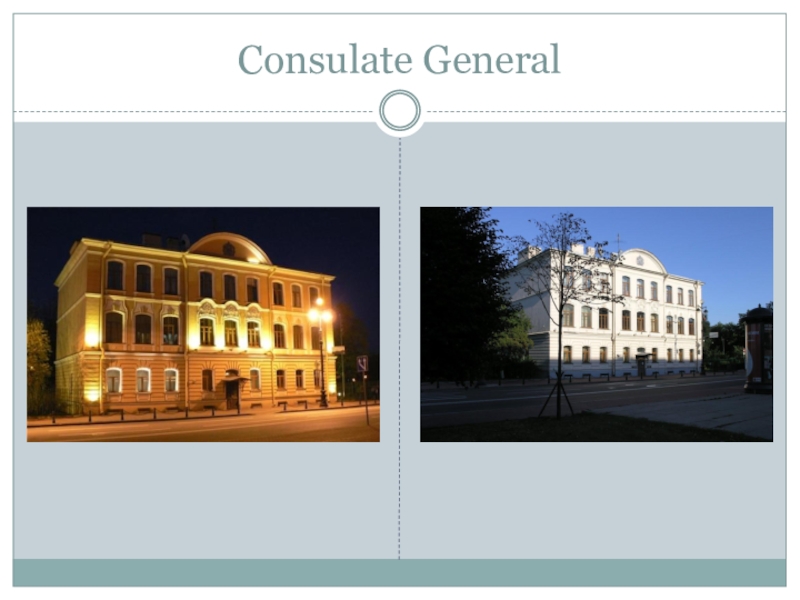
Слайд 20Consulate General
Previously, there was a children's shelter, during the Great Patriotic
War - a hospital, then a boarding school, the Leningrad Art College and a music school. In 1992 the building was handed over to British Consulate. It took British designers and builders two years to restore the facades and interiors.
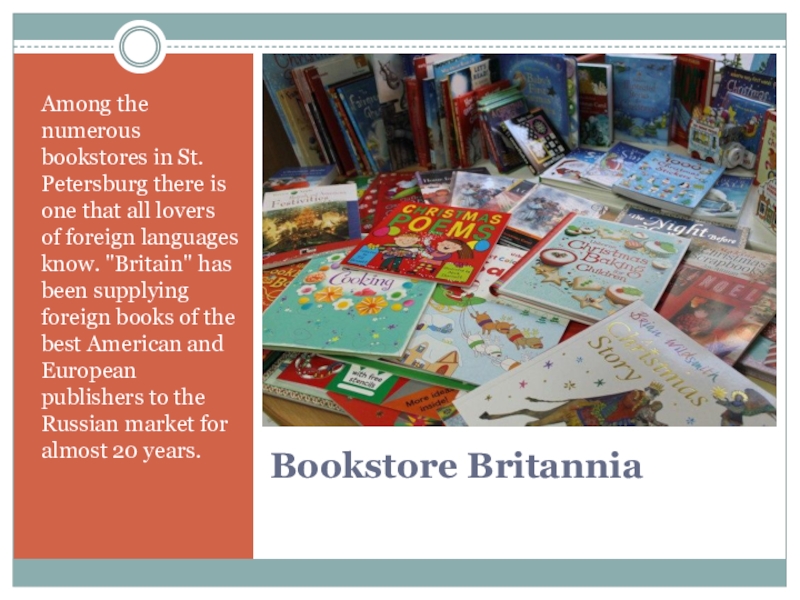
Слайд 22Bookstore Britannia
Among the numerous bookstores in St. Petersburg there is one
that all lovers of foreign languages know. "Britain" has been supplying foreign books of the best American and European publishers to the Russian market for almost 20 years.

Слайд 24The Project is made by students of 10 “b”
Polischuk Katya
Pestova
Snezhana
Strunina Nastya
Alexandrova Ksenia
Gordiychuk Veronika
Zui Artem
Efimova Nastya
Ayupov Artur
Dorosheva Nastya
The teacher in charge – Tatyana Fedorovna Korchemckina
Strunina Nastya
Alexandrova Ksenia
Gordiychuk Veronika
Zui Artem
Efimova Nastya
Ayupov Artur
Dorosheva Nastya
The teacher in charge – Tatyana Fedorovna Korchemckina