- Главная
- Разное
- Образование
- Спорт
- Естествознание
- Природоведение
- Религиоведение
- Французский язык
- Черчение
- Английский язык
- Астрономия
- Алгебра
- Биология
- География
- Геометрия
- Детские презентации
- Информатика
- История
- Литература
- Математика
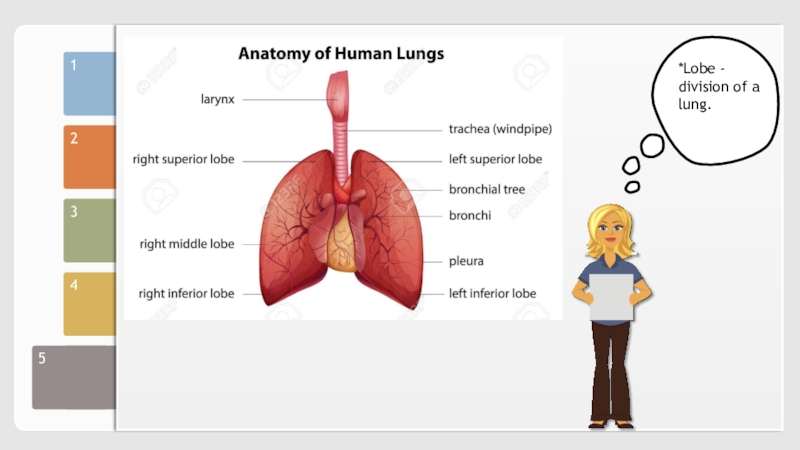
- Музыка
- МХК
- Немецкий язык
- ОБЖ
- Обществознание
- Окружающий мир
- Педагогика
- Русский язык
- Технология
- Физика
- Философия
- Химия
- Шаблоны, фоны, картинки для презентаций
- Экология
- Экономика
Презентация, доклад по английскому языку The Respiratory System (Medical English)
Содержание
- 1. Презентация по английскому языку The Respiratory System (Medical English)
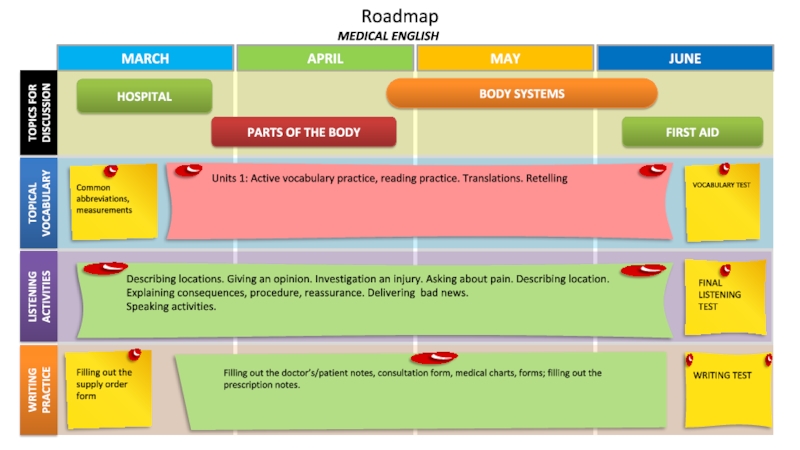
- 2. MARCHAPRILMAYJUNETOPICS FOR DISCUSSIONPARTS OF THE BODYHOSPITALTOPICAL VOCABULARYLISTENING ACTIVITIESWRITING PRACTICEBODY SYSTEMSRoadmapMEDICAL ENGLISH FIRST AID
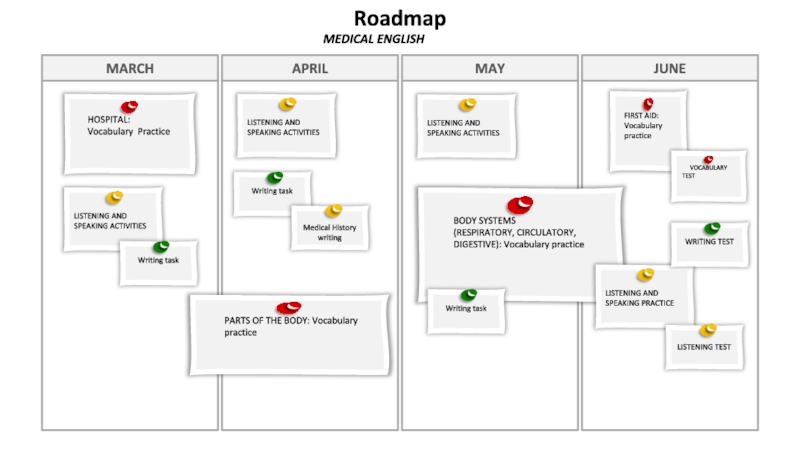
- 3. MARCHAPRILMAYJUNERoadmapMEDICAL ENGLISH
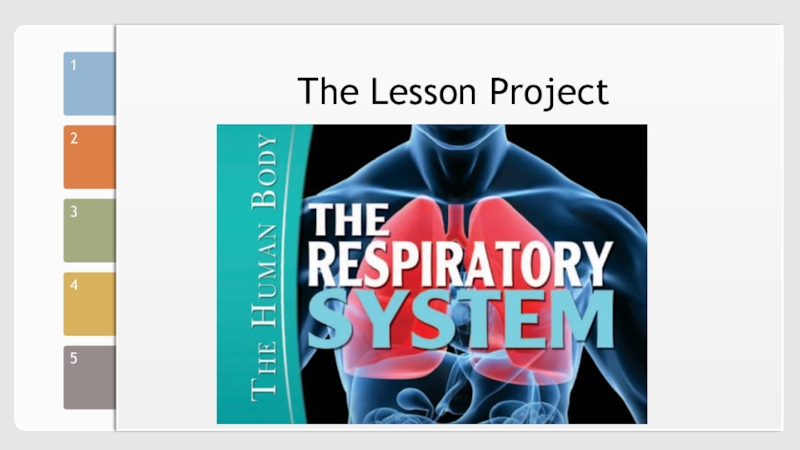
- 4. The Lesson Project
- 5. Respiratory system is… the organ system that
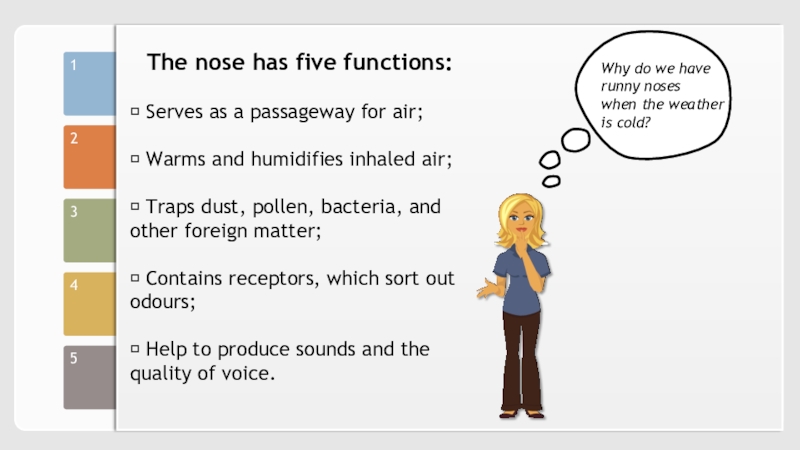
- 6. Why do we have runny noses when
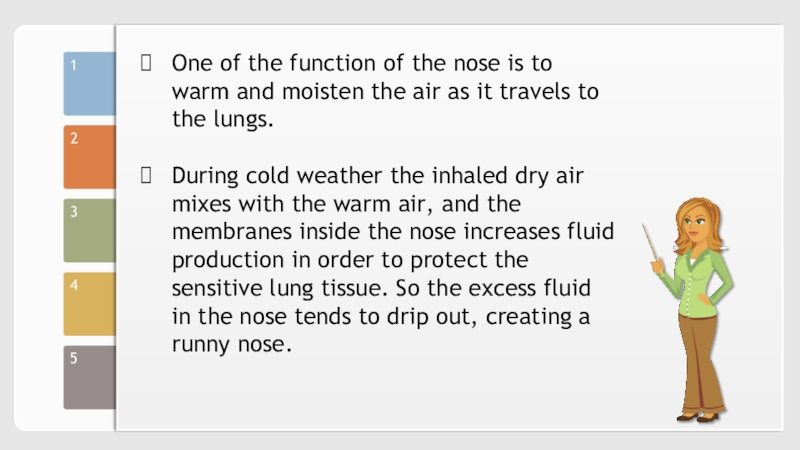
- 7. One of the function of the nose
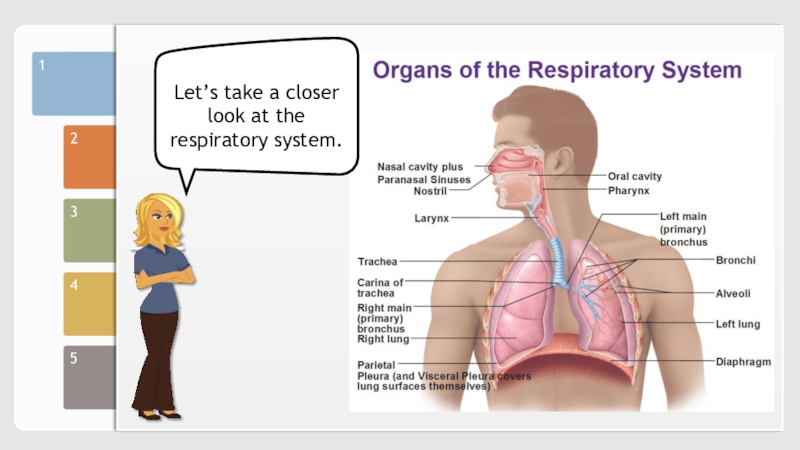
- 8. 1Let’s take a closer look at the respiratory system.
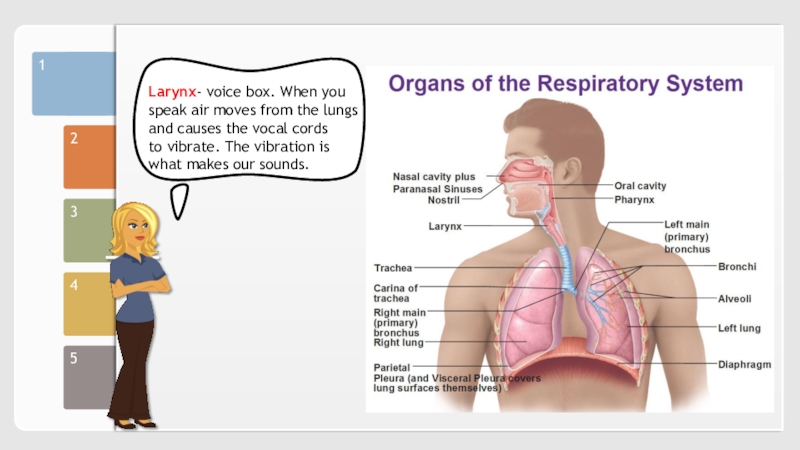
- 9. 1Larynx- voice box. When you speak air
- 10. 1Pharynx- back of your throat. The pharynx
- 11. 1Trachea- tube that connects your nose and
- 12. 1 Alveoli- at the end of the bronchioles
- 13. 1Bronchi- air from the trachea passes into
- 14. 1Diaphragm - muscle separating the chest and
- 15. 1Pleura - double-layered membrane surrounding each lung.Parietal
- 16. Pathway of air from the nose to
- 17. 2
- 18. Respiratory structures that conduct airNoseNasal cavities and paranasal sinusesPharynxLarynxTrachea3
- 19. Respiratory structures that exchange gasesBronchiolesAlveoliLung capillaries4
- 20. 5*Lobe - division of a lung.
- 21. Your task is to practice and learn the topical vocabulary.Thank you for your attention and work!
MARCHAPRILMAYJUNETOPICS FOR DISCUSSIONPARTS OF THE BODYHOSPITALTOPICAL VOCABULARYLISTENING ACTIVITIESWRITING PRACTICEBODY SYSTEMSRoadmapMEDICAL ENGLISH FIRST AID
Слайд 2MARCH
APRIL
MAY
JUNE
TOPICS FOR DISCUSSION
PARTS OF THE BODY
HOSPITAL
TOPICAL VOCABULARY
LISTENING ACTIVITIES
WRITING PRACTICE
BODY SYSTEMS
Roadmap
MEDICAL ENGLISH
FIRST AID
Слайд 5Respiratory system is…
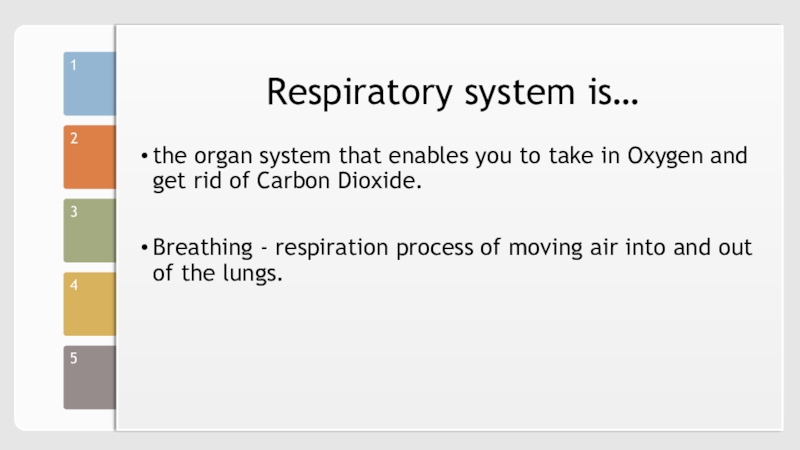
the organ system that enables you to take in
Oxygen and get rid of Carbon Dioxide.
Breathing - respiration process of moving air into and out of the lungs.
Breathing - respiration process of moving air into and out of the lungs.
Слайд 6Why do we have
runny noses
when the weather
is cold?
The
nose has five functions:
Serves as a passageway for air;
Warms and humidifies inhaled air;
Traps dust, pollen, bacteria, and other foreign matter;
Contains receptors, which sort out odours;
Help to produce sounds and the quality of voice.
Serves as a passageway for air;
Warms and humidifies inhaled air;
Traps dust, pollen, bacteria, and other foreign matter;
Contains receptors, which sort out odours;
Help to produce sounds and the quality of voice.
Слайд 7One of the function of the nose is to warm and
moisten the air as it travels to the lungs.
During cold weather the inhaled dry air mixes with the warm air, and the membranes inside the nose increases fluid production in order to protect the sensitive lung tissue. So the excess fluid in the nose tends to drip out, creating a runny nose.
During cold weather the inhaled dry air mixes with the warm air, and the membranes inside the nose increases fluid production in order to protect the sensitive lung tissue. So the excess fluid in the nose tends to drip out, creating a runny nose.
Слайд 91
Larynx- voice box. When you
speak air moves from the lungs
and causes the vocal cords
to vibrate. The vibration is
what makes our sounds.
Слайд 101
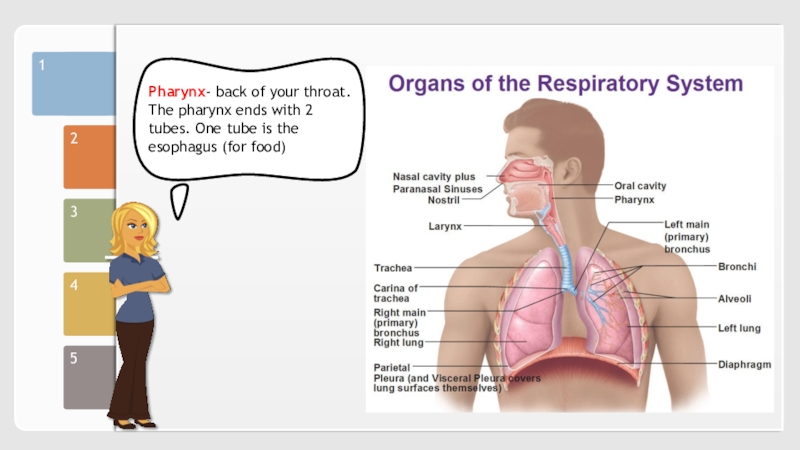
Pharynx- back of your throat. The pharynx ends with 2 tubes.
One tube is the esophagus (for food)
Слайд 111
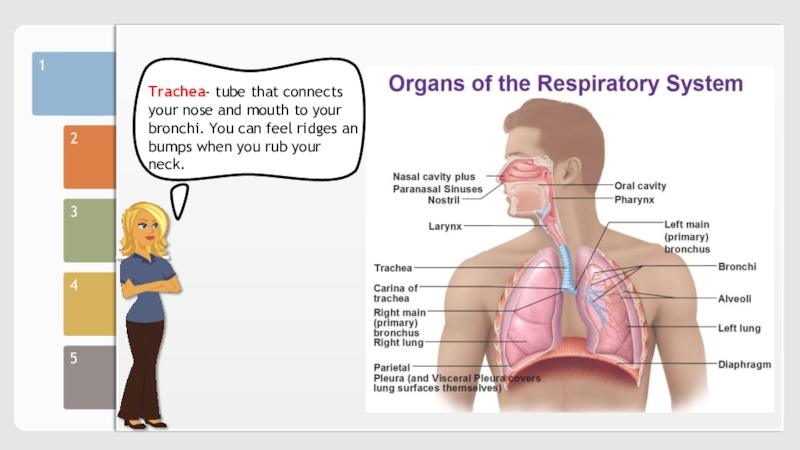
Trachea- tube that connects your nose and mouth to your bronchi.
You can feel ridges an bumps when you rub your neck.
Слайд 121
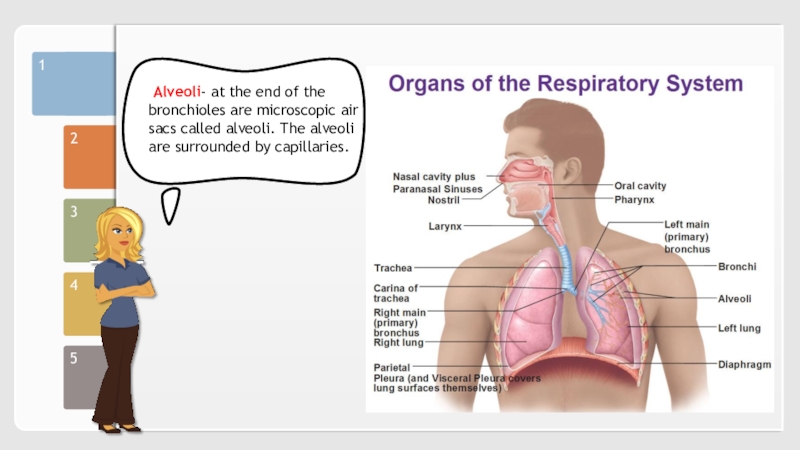
Alveoli- at the end of the bronchioles are microscopic air sacs
called alveoli. The alveoli are surrounded by capillaries.
Слайд 131
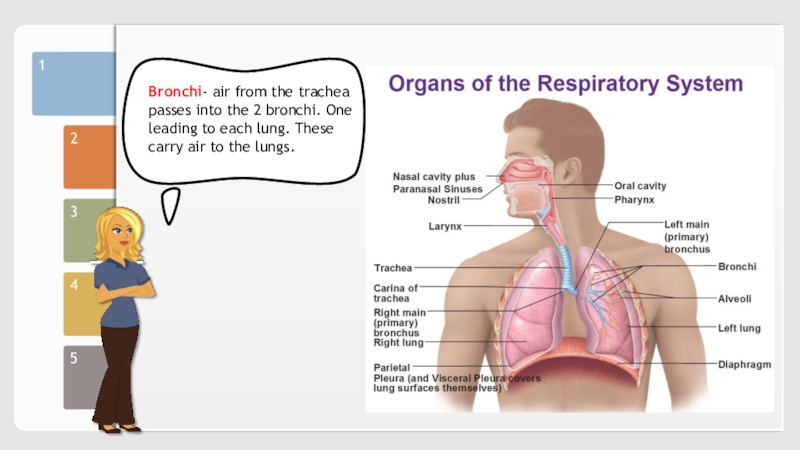
Bronchi- air from the trachea passes into the 2 bronchi. One
leading to each lung. These carry air to the lungs.
Слайд 141
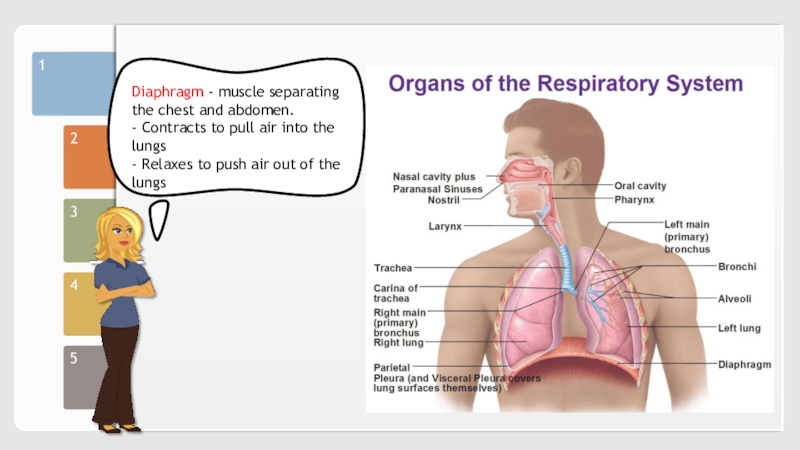
Diaphragm - muscle separating the chest and abdomen.
- Contracts to pull
air into the lungs
- Relaxes to push air out of the lungs
- Relaxes to push air out of the lungs
Слайд 151
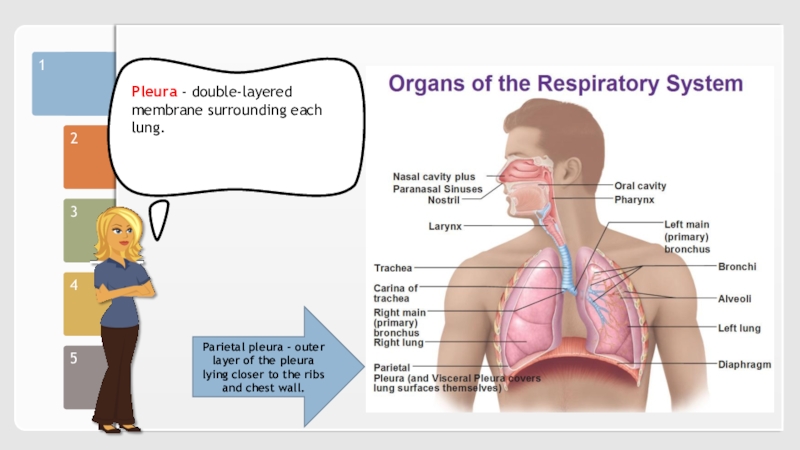
Pleura - double-layered membrane surrounding each lung.
Parietal pleura - outer layer
of the pleura lying closer to the ribs and chest wall.
Слайд 16Pathway of air from the nose to the capillaries of the
lungs
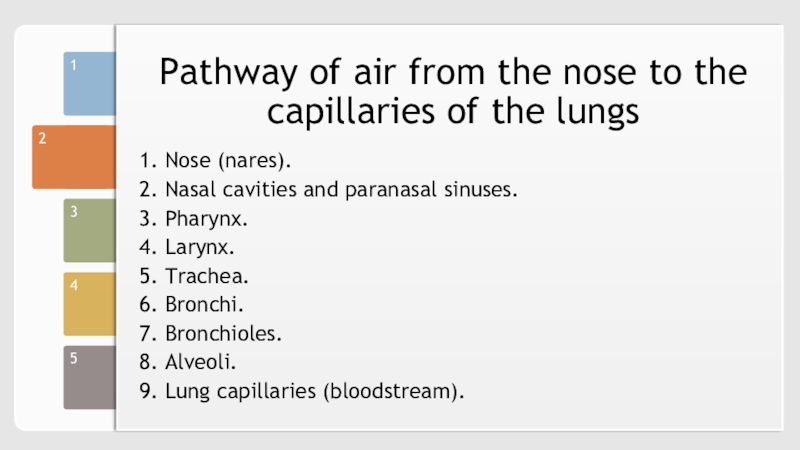
1. Nose (nares).
2. Nasal cavities and paranasal sinuses.
3. Pharynx.
4. Larynx.
5. Trachea.
6. Bronchi.
7. Bronchioles.
8. Alveoli.
9. Lung capillaries (bloodstream).
2
Слайд 18Respiratory structures that conduct air
Nose
Nasal cavities and paranasal sinuses
Pharynx
Larynx
Trachea
3
Слайд 21Your task is to practice and learn the topical vocabulary.
Thank you
for your attention and work!