melting pots where an incredible array of cultures, religions and ethnicities live in reasonable harmony.
There is a very wide diversity of economic status and education in Indian society. About 50% of the Indian people are illiterates while Indian computer scientists are appreciated specialists in the sophisticated Western countries! By the side of palatial residences one can see the crowded slums where people live in sub human conditions. In the cities imported cars move side by side with rickshaws. Нoly cows amble along the streets, bask on heavenly beaches next to modern hotels and ancient temples sit perfectly at home besides shiny new offices.
- Главная
- Разное
- Образование
- Спорт
- Естествознание
- Природоведение
- Религиоведение
- Французский язык
- Черчение
- Английский язык
- Астрономия
- Алгебра
- Биология
- География
- Геометрия
- Детские презентации
- Информатика
- История
- Литература
- Математика
- Музыка
- МХК
- Немецкий язык
- ОБЖ
- Обществознание
- Окружающий мир
- Педагогика
- Русский язык
- Технология
- Физика
- Философия
- Химия
- Шаблоны, фоны, картинки для презентаций
- Экология
- Экономика
Презентация, доклад на английском языке Индия
Содержание
- 1. Презентация на английском языке Индия
- 2. Religion.Hinduism - religion is way of life
- 3. In India religion is way of life.
- 4. CastesA special social feature in Hinduism is
- 5. The main castes and their original assignments
- 6. Traditional clothing
- 7. The most impressive and charming is the
- 8. Cuisine
- 9. Indian food is well-known for its different
- 10. Tea.Tea in India to grow relatively recently
- 11. Слайд 11
- 12. Some of Indian specialities are: • Dhal
- 13. WildlifeModern wildlife India has about 350 species
- 14. Indian elephant is found in the wild
- 15. Слайд 15
- 16. Tourism.Tourism in India is a large fast-growing
- 17. Слайд 17
- 18. Taj MahalThe Taj Mahal is probably the
- 19. Слайд 19
- 20. Delhi It's a microcosm of Indian life,
- 21. GokarnaGokarna is a ancient temple town and
- 22. Слайд 22
- 23. GoaGoa, on the Indian Ocean, is called
- 24. Слайд 24
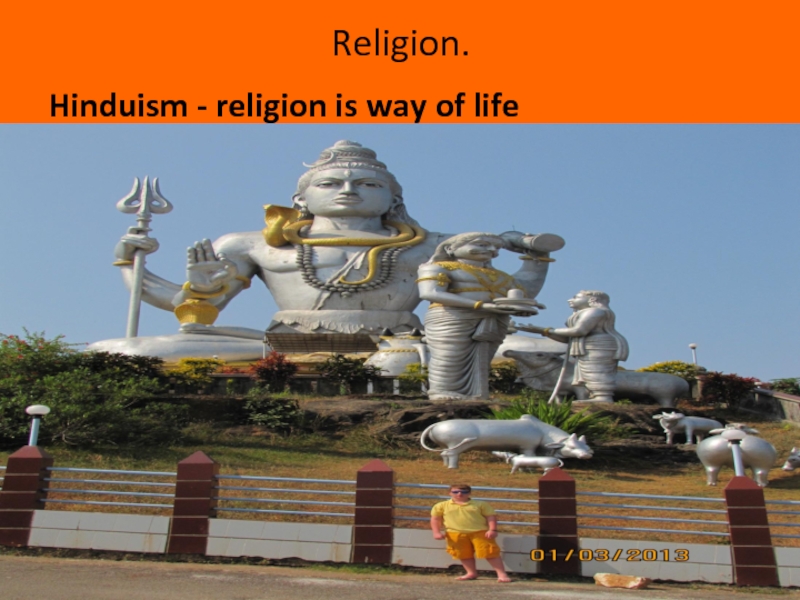
Religion.Hinduism - religion is way of life
Слайд 3In India religion is way of life. It is an integral
part of the entire Indian culture and permeates every aspect of life. India is made up of a fascinating blend of ethnicities and religions, and as the birthplace of Hinduism, Buddhism, Jainism and Sikhism. Although there are significant populations of Muslims and Christians, most Indians belong to one of the four main religions mentioned above.
Hinduism is the dominant faith, practiced by over 80% of the population. But India is a secular state. People of many religions freely live here. Hinduism can be passed only by birth. Hindu religious thought is based on the "Vedas", written down in Sanskrit about 3000 years ago and incorporates the science of living as revealed to the sages in the state of deep meditation.
Hinduism is the dominant faith, practiced by over 80% of the population. But India is a secular state. People of many religions freely live here. Hinduism can be passed only by birth. Hindu religious thought is based on the "Vedas", written down in Sanskrit about 3000 years ago and incorporates the science of living as revealed to the sages in the state of deep meditation.
Слайд 4Castes
A special social feature in Hinduism is the classification of people
through a system of castes. Basically the castes were assigned accordingly to one's occupation. Through passage of time however, the affiliation to a caste began to be irrevocably decided by one's birth.
Слайд 5The main castes and their original assignments in Hindu society are:
1. Brahmans (priest)
Hindu priests don't preach in the temples like one knows it from Christian churches but have to enlighten the fellow beings and perform religious functions. They are considered the Gurus or teachers and are respected by all. Brahmins do not aim at riches. Theirs is a life of simplicity ,reflecting the principles of Hindu religion.
2. Warriors
Warriors are the nobility. They are supposed to protect the subjects from enemies and to administer the state.
3. Peasants, merchants
4. Workman, Servants
Слайд 7The most impressive and charming is the colorful traditional clothing of
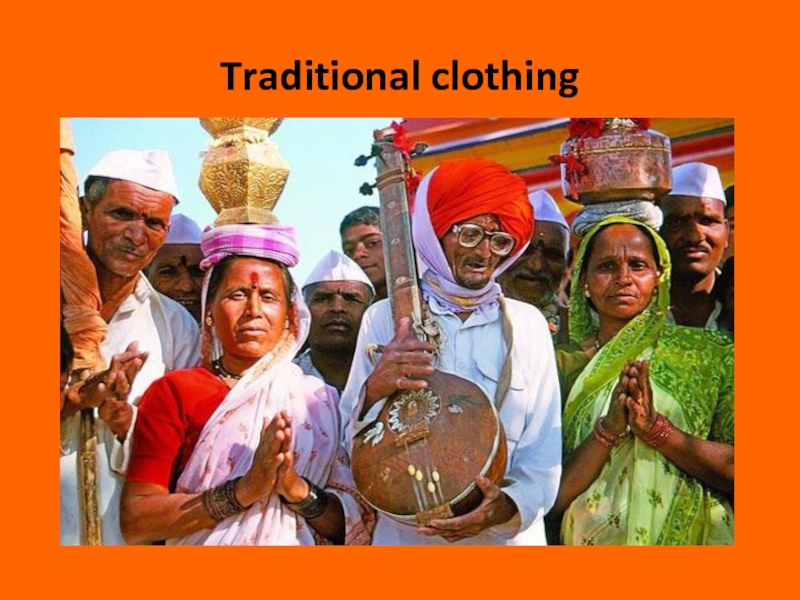
women, especially in the country Rajasthan. They wear their saris each day, even while working in the field. The sari is a 6 m long and 2 m broad scarf and sure it demands some skill to dress oneself with it. It is available in different materials (cotton, synthetic, silk...). The festive saris are incredible beautiful!
The traditional clothing of men consists of long wide shirts and trousers.
The traditional clothing of men consists of long wide shirts and trousers.
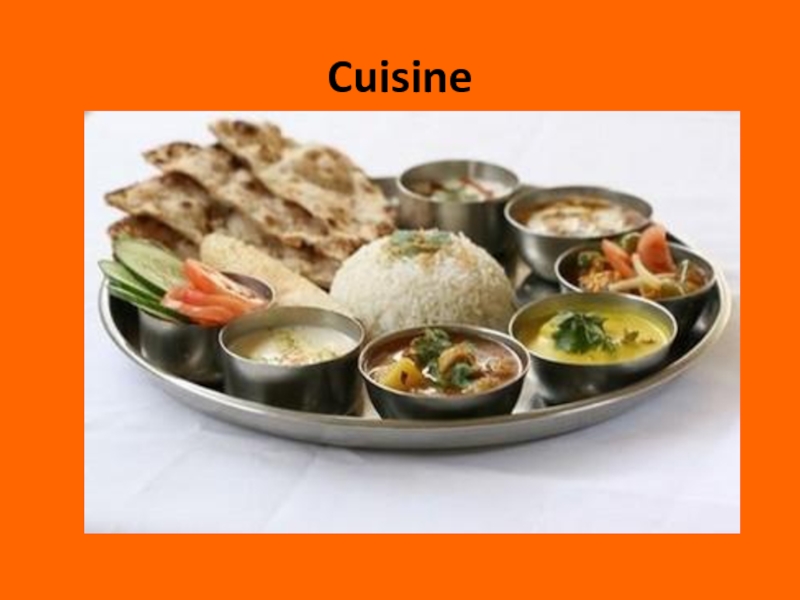
Слайд 9Indian food is well-known for its different flavours, spiciness and enormous
variety. Famous curries are created from blending of spices such as cumin, turmeric, cardamom, ginger, coriander, nutmeg and poppy seed, although these vary from region to region. Indian cuisine is strongly influenced by vegetarianism, so vegetable and rice dishes are very common, particularly in the fruity, coconutty dishes of southern India. Breads like paranthas, chapatis, naans and rotis are also part of the main diet in several states.
Sweets or tend to be milk based and some are syrupy and fried. Well-known northern sweets are gulab jamun, jalebi, kulfi, kheer, halwa and laddu. The south has several burfi and halwa-type desserts.
Sweets or tend to be milk based and some are syrupy and fried. Well-known northern sweets are gulab jamun, jalebi, kulfi, kheer, halwa and laddu. The south has several burfi and halwa-type desserts.
Слайд 10Tea.
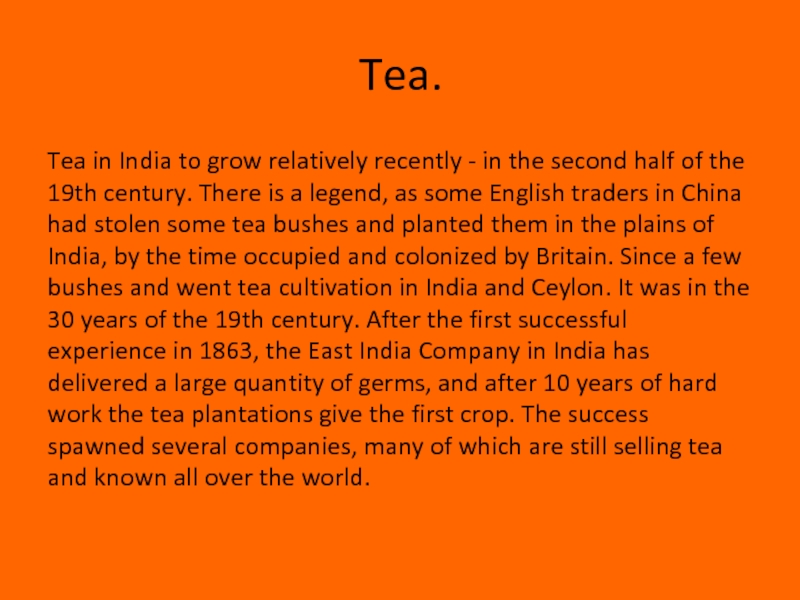
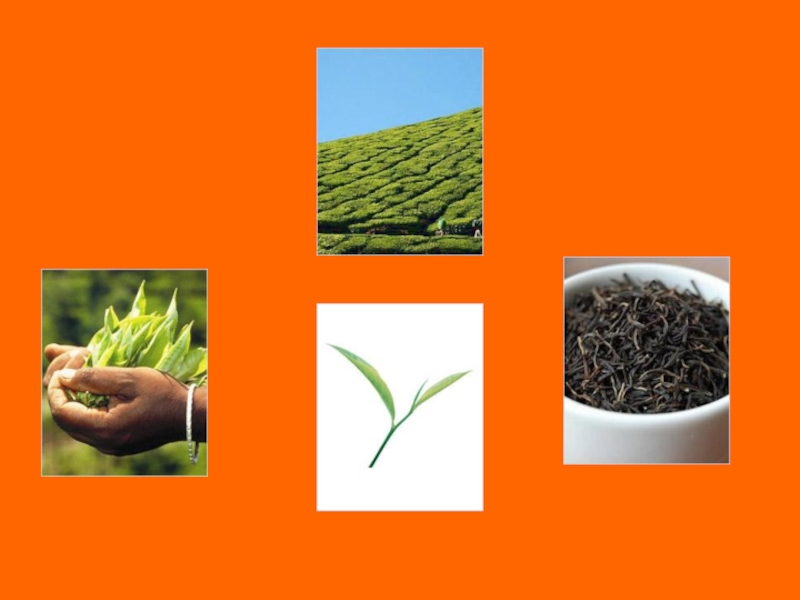
Tea in India to grow relatively recently - in the second
half of the 19th century. There is a legend, as some English traders in China had stolen some tea bushes and planted them in the plains of India, by the time occupied and colonized by Britain. Since a few bushes and went tea cultivation in India and Ceylon. It was in the 30 years of the 19th century. After the first successful experience in 1863, the East India Company in India has delivered a large quantity of germs, and after 10 years of hard work the tea plantations give the first crop. The success spawned several companies, many of which are still selling tea and known all over the world.
Слайд 12Some of Indian specialities are:
• Dhal (curried lentils).
• Kulfi
(firm Indian-style ice cream).
• Gulab Jamuns (deep-fried dough balls in sweet syrup).
• Jalebi (circular-shaped deep-fried batter in sweet syrup).
• Dosa (fermented crepe stuffed with vegetables, meat and sauces, originally from the south.
• Chai (tea) is India's favourite drink. It usually comes ready-brewed with milk, sugar and other spices.
• Coffee has long been popular in the south. Nowadays most large cities and towns have cafés serving cappuccinos, lattes, espressos and more.
• Nimbu Pani (lemon water) served sweet or sweet and salted.
• Lassi (iced yogurt/buttermilk beverage) also flavoured with fruits like mango or banana or sweet and salty.
• Indian beer (comes in many varieties, Kingfisher is the most popular brand).
• Gulab Jamuns (deep-fried dough balls in sweet syrup).
• Jalebi (circular-shaped deep-fried batter in sweet syrup).
• Dosa (fermented crepe stuffed with vegetables, meat and sauces, originally from the south.
• Chai (tea) is India's favourite drink. It usually comes ready-brewed with milk, sugar and other spices.
• Coffee has long been popular in the south. Nowadays most large cities and towns have cafés serving cappuccinos, lattes, espressos and more.
• Nimbu Pani (lemon water) served sweet or sweet and salted.
• Lassi (iced yogurt/buttermilk beverage) also flavoured with fruits like mango or banana or sweet and salty.
• Indian beer (comes in many varieties, Kingfisher is the most popular brand).
Слайд 13Wildlife
Modern wildlife India has about 350 species of mammals, over 1200
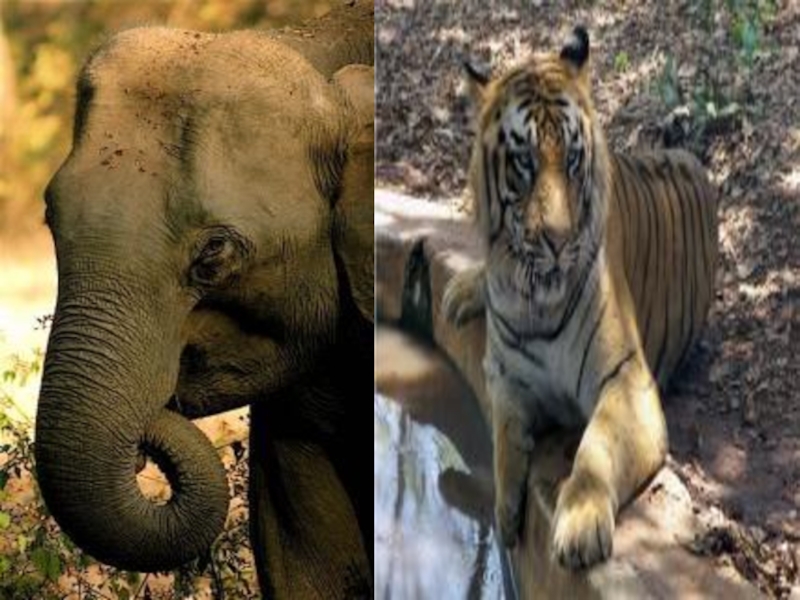
species and subspecies of birds and more than 20 thousand species of insects. In recent decades the population of many species, especially large ones, strongly reduced. Of large predators Asiatic lion survived only in Sasan Gir National Park national park on the peninsula Kathiyavar (units of Gujarat), tigers and leopards are found in the jungles of Terai, the Assam-Burma border area and in northern India. Hyenas, cheetahs and jackals are numerous in the northern part of the country.
Слайд 14Indian elephant is found in the wild in the jungle. As
a working animal it is used for logging and other heavy duty applications. Among domesticated animals release camels, which are used as means of transport in arid conditions of the North-Western India, oxen - the main draft animals in agriculture, and water buffalo, used for the treatment of flooded rice fields. There are many species typical of the Indian zebu, which are prized for their durability and resistance to heat and tropical parasites. It is a wild herbivore Indian one-horned rhinoceros - the largest Asian rhino, which is found in several national parks and reserves of Assam and West Bengal, and even in these remote areas, its population continues to decline. In India, particularly in Assam, is found a few deer species: sambar (with a horn up to 100 cm), Axis, or read, marsh deer, barasinga (his horns are more than 14 processes), muntjac.
Слайд 16Tourism.
Tourism in India is a large fast-growing industry. In the year
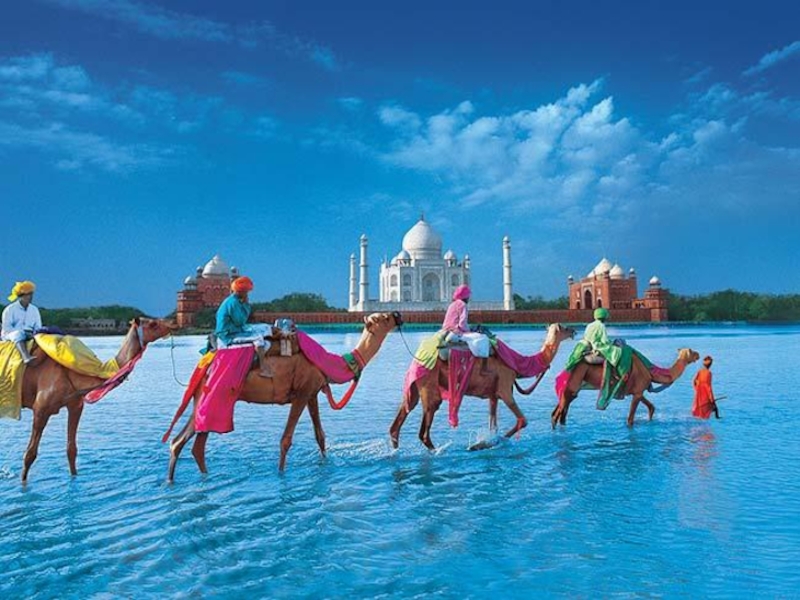
2012 over 6 million foreign tourist visited India. From the Himalaya Mountains to the Indian Ocean, India has many destinations tourists will enjoy visiting. This ancient country has a wealth of temples, many of which are on the UNESCO World Heritage Site list. The most famous places of interest are:
Слайд 18Taj Mahal
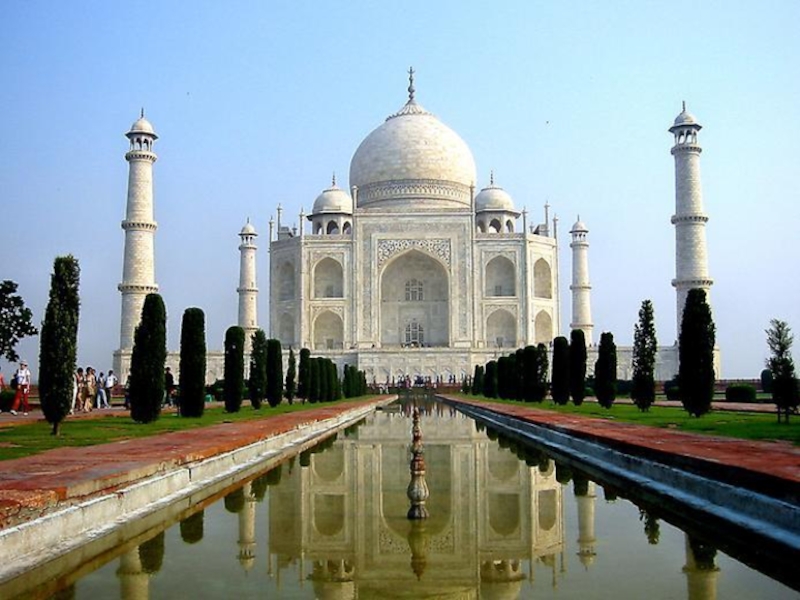
The Taj Mahal is probably the most famous site in
India and is considered one of the wonders of the world. Shah Jihan promised his favorite wife on her deathbed that he would build her a monument as beautiful as she was. Construction on the Taj Mahal started in 1631. It was described by UNESCO as "the jewel of Muslim art in India and one of the universally admired masterpieces of the world's heritage." Located in Agra, the Taj Mahal is made of white marble.
Слайд 20Delhi
It's a microcosm of Indian life, with its huge population
and vast array of sights and sensations to absorb. There are monuments, mosques and tombs in abundance, impressive colonial architecture, brilliant museums, excellent restaurants and more than enough bazaars, markets and shops. In fact, your only problem will be fitting it all in.
Слайд 21Gokarna
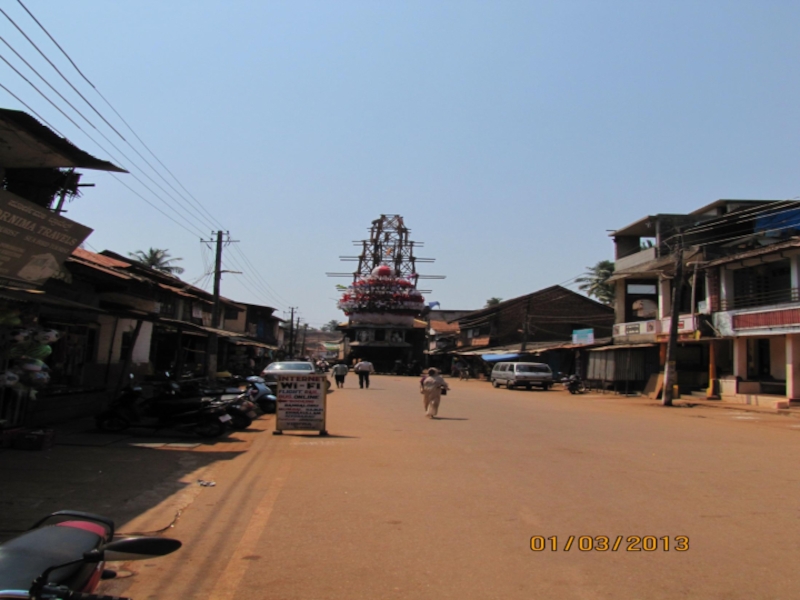
Gokarna is a ancient temple town and center for Sanskrit studies.
It is located in Uttara Kannada district of Karnataka State. Gokarna means “Cow’s Ear“- It is believed that Lord Shiva has emerged from the ear of a cow. This town lies between the rivers Gangavali and Agnashini and situated along the Karwar coast by the Arabian Sea. It has been attracting for hundreds of years. Gokarna is also an important center of Sanskrit learning and houses Bhandikeri Math and Toggu Math. Many Hindus perform the last rites of a person here.
Слайд 23Goa
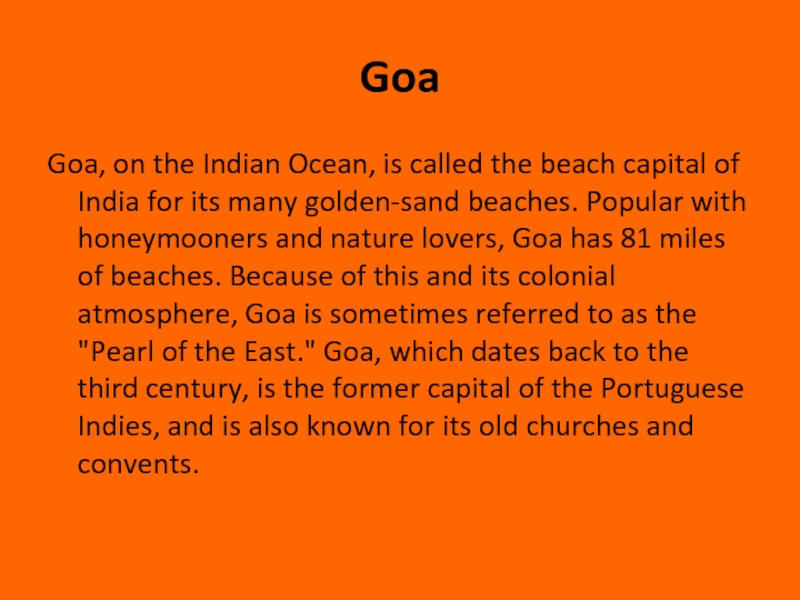
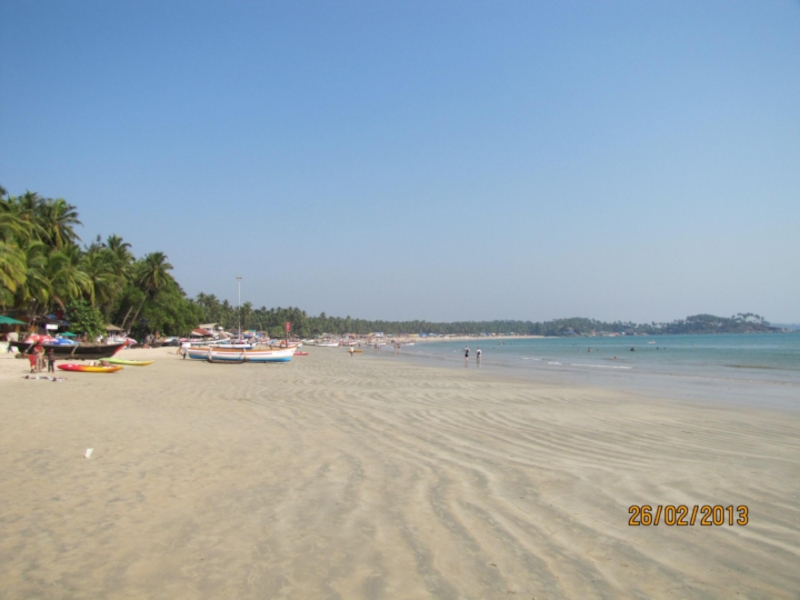
Goa, on the Indian Ocean, is called the beach capital of
India for its many golden-sand beaches. Popular with honeymooners and nature lovers, Goa has 81 miles of beaches. Because of this and its colonial atmosphere, Goa is sometimes referred to as the "Pearl of the East." Goa, which dates back to the third century, is the former capital of the Portuguese Indies, and is also known for its old churches and convents.