Национальные парки мира.
Употребление соединительных слов в сложноподчиненных предложениях.
- Главная
- Разное
- Образование
- Спорт
- Естествознание
- Природоведение
- Религиоведение
- Французский язык
- Черчение
- Английский язык
- Астрономия
- Алгебра
- Биология
- География
- Геометрия
- Детские презентации
- Информатика
- История
- Литература
- Математика
- Музыка
- МХК
- Немецкий язык
- ОБЖ
- Обществознание
- Окружающий мир
- Педагогика
- Русский язык
- Технология
- Физика
- Философия
- Химия
- Шаблоны, фоны, картинки для презентаций
- Экология
- Экономика
Презентация, доклад к плану-конспекту по английскому языку на тему Национальные парки мира. Употребление соединительных слов в сложноподчиненных предложениях. (9 класс)
Содержание
- 1. Презентация к плану-конспекту по английскому языку на тему Национальные парки мира. Употребление соединительных слов в сложноподчиненных предложениях. (9 класс)
- 2. Цели урока: Систематизировать и обобщить знания по
- 3. Today we’re going to have an unusual
- 4. N A T U R Eatural resources mazingigerniqueomanticnvironment
- 5. 1) F 2) D 3) E 4) H 5) С 6) I 7) B 8) AKeys:
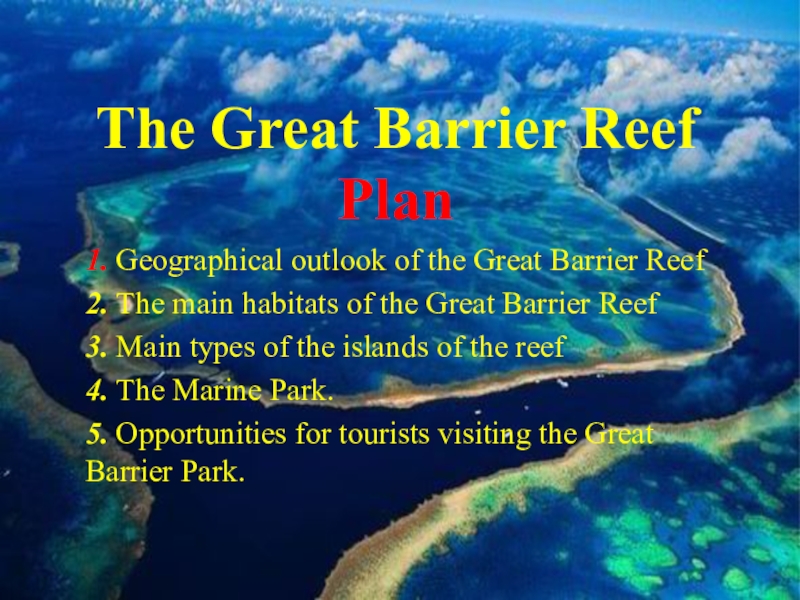
- 6. The Great Barrier Reef Plan1. Geographical outlook
- 7. 1. Geographical outlook of the Great Barrier
- 8. 2. The main habitats of the Great
- 9. 3. Main types of the islands of
- 10. 4. The Marine ParkThe waters of the
- 11. 5. Opportunities for tourists visiting the Great
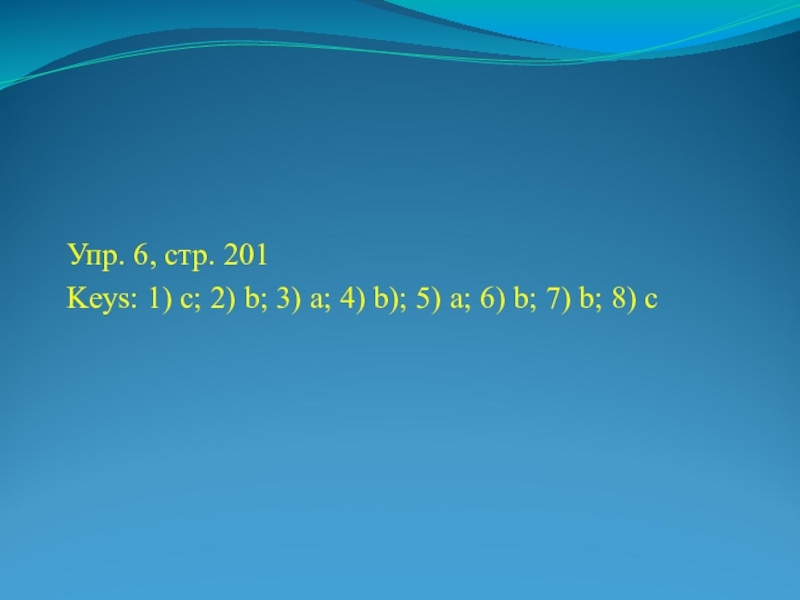
- 12. Упр. 6, стр. 201Keys: 1) c;
- 13. T: Join two sentences using the word
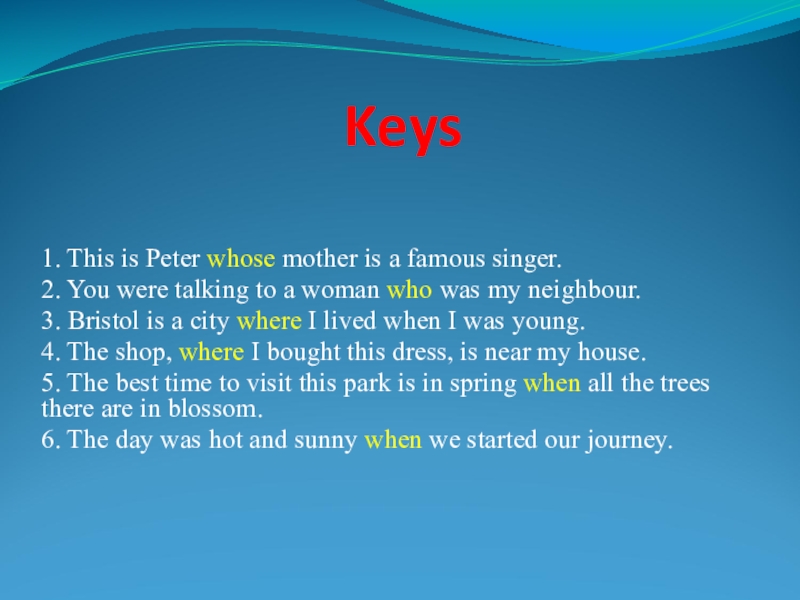
- 14. Keys1. This is Peter whose mother is
- 15. HometaskWrite a short composition:“What should we do to save the beauty of the nature”
- 16. The End☺
Цели урока: Систематизировать и обобщить знания по изученному материалу.Продолжить совершенствовать технику чтения.Формировать навыки монологической и диалогической речи.Закрепить умения учащихся в использовании союзных слов в сложноподчиненных предложениях.Тренировать уч-ся в выполнении творческих работ.Воспитывать любовь к природе и стремление
Слайд 1Разработала: учитель английского языка ДОШ I-III ступеней № 133 Стрижонок Ирина Викторовна
Слайд 2Цели урока:
Систематизировать и обобщить знания по изученному материалу.
Продолжить совершенствовать технику
чтения.
Формировать навыки монологической и диалогической речи.
Закрепить умения учащихся в использовании союзных слов в сложноподчиненных предложениях.
Тренировать уч-ся в выполнении творческих работ.
Воспитывать любовь к природе и стремление защитить ее для будущих поколений.
Тип урока: урок обобщения и систематизации
Форма проведения: урок-путешествие
Оборудование: компьютер, презентация, конверты с заданиями, фишки, плакат, словари, учебник, рабочая тетрадь.
Формировать навыки монологической и диалогической речи.
Закрепить умения учащихся в использовании союзных слов в сложноподчиненных предложениях.
Тренировать уч-ся в выполнении творческих работ.
Воспитывать любовь к природе и стремление защитить ее для будущих поколений.
Тип урока: урок обобщения и систематизации
Форма проведения: урок-путешествие
Оборудование: компьютер, презентация, конверты с заданиями, фишки, плакат, словари, учебник, рабочая тетрадь.
Слайд 3Today we’re going to have an unusual lesson. We’ll have an
interesting trip to the national parks of the English-speaking countries. During our lesson we’ll revise the previous lexical and grammar material, and of course you’ll do some exercises to practise your speaking and writing skills.
Слайд 6The Great Barrier Reef
Plan
1. Geographical outlook of the Great Barrier Reef
2.
The main habitats of the Great Barrier Reef
3. Main types of the islands of the reef
4. The Marine Park.
5. Opportunities for tourists visiting the Great Barrier Park.
3. Main types of the islands of the reef
4. The Marine Park.
5. Opportunities for tourists visiting the Great Barrier Park.
Слайд 71. Geographical outlook of the Great Barrier Reef
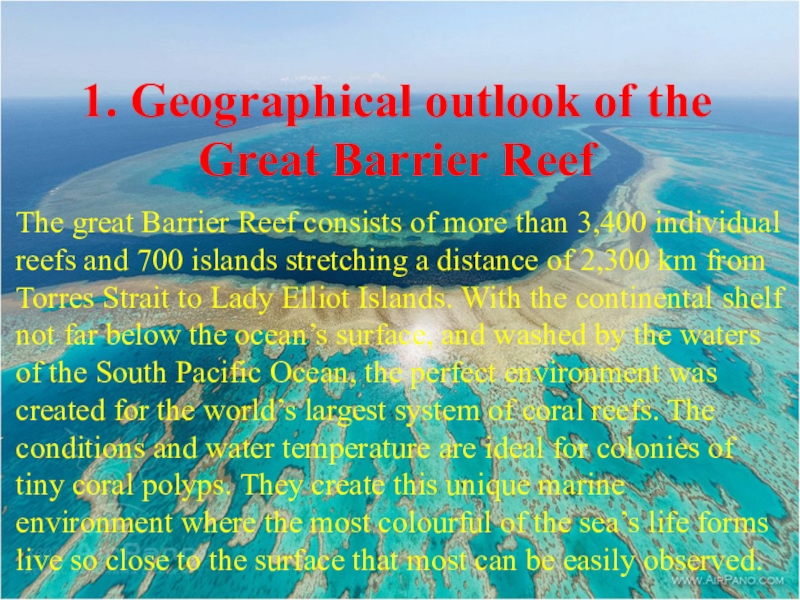
The great Barrier Reef
consists of more than 3,400 individual reefs and 700 islands stretching a distance of 2,300 km from Torres Strait to Lady Elliot Islands. With the continental shelf not far below the ocean’s surface, and washed by the waters of the South Pacific Ocean, the perfect environment was created for the world’s largest system of coral reefs. The conditions and water temperature are ideal for colonies of tiny coral polyps. They create this unique marine environment where the most colourful of the sea’s life forms live so close to the surface that most can be easily observed.
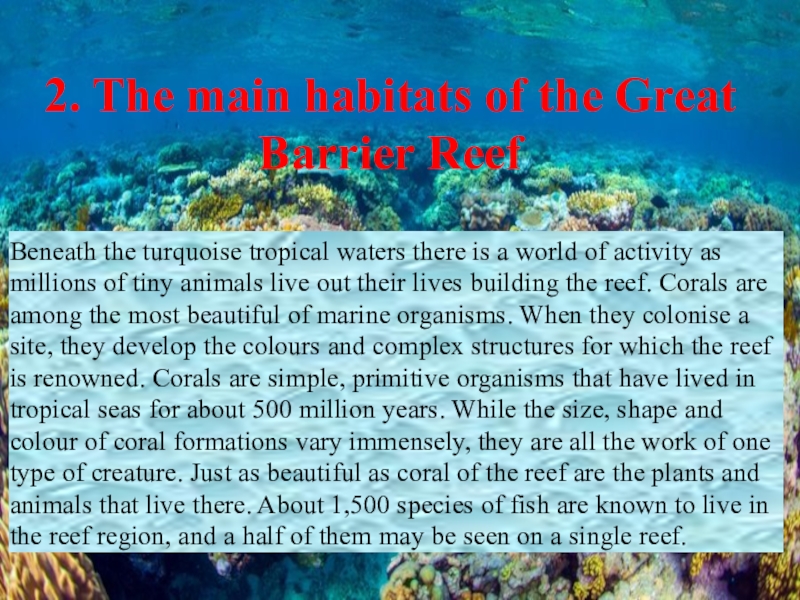
Слайд 82. The main habitats of the Great Barrier Reef
Beneath the turquoise
tropical waters there is a world of activity as millions of tiny animals live out their lives building the reef. Corals are among the most beautiful of marine organisms. When they colonise a site, they develop the colours and complex structures for which the reef is renowned. Corals are simple, primitive organisms that have lived in tropical seas for about 500 million years. While the size, shape and colour of coral formations vary immensely, they are all the work of one type of creature. Just as beautiful as coral of the reef are the plants and animals that live there. About 1,500 species of fish are known to live in the reef region, and a half of them may be seen on a single reef.
Слайд 93. Main types of the islands of the reef
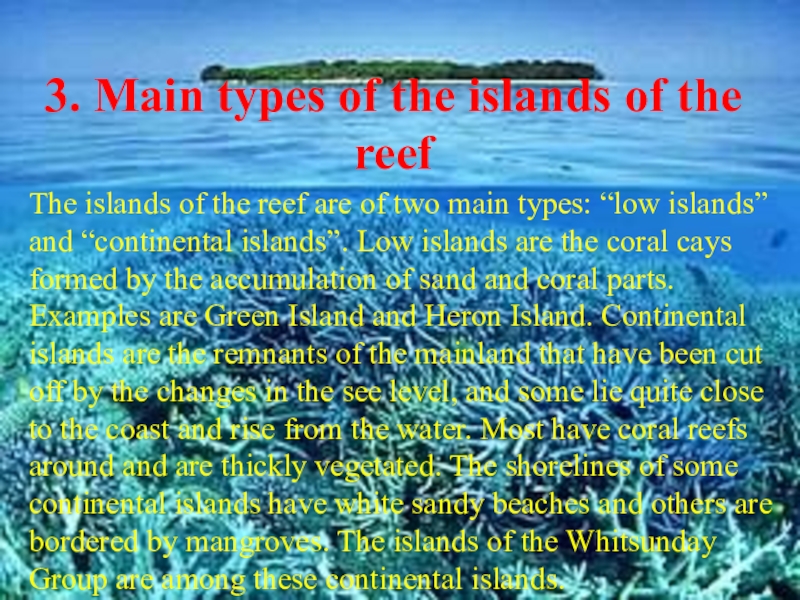
The islands of
the reef are of two main types: “low islands” and “continental islands”. Low islands are the coral cays formed by the accumulation of sand and coral parts. Examples are Green Island and Heron Island. Continental islands are the remnants of the mainland that have been cut off by the changes in the see level, and some lie quite close to the coast and rise from the water. Most have coral reefs around and are thickly vegetated. The shorelines of some continental islands have white sandy beaches and others are bordered by mangroves. The islands of the Whitsunday Group are among these continental islands.
Слайд 104. The Marine Park
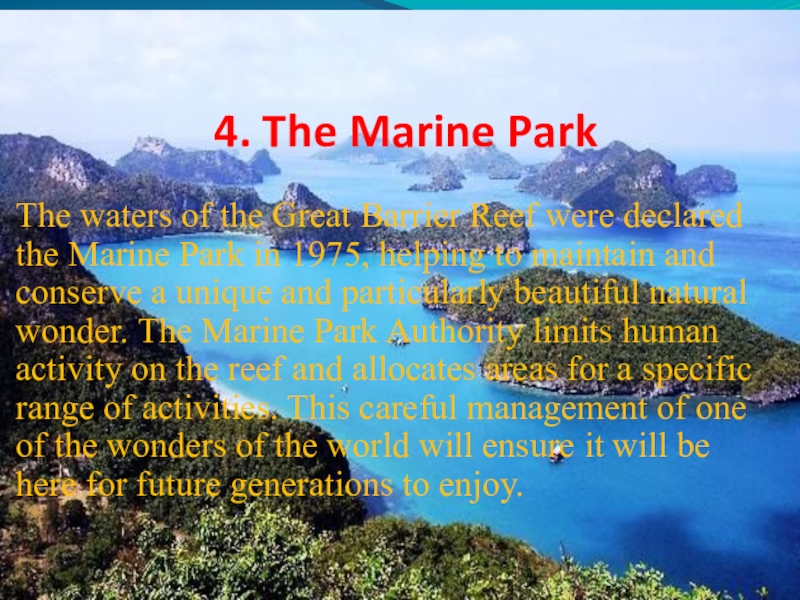
The waters of the Great Barrier Reef were
declared the Marine Park in 1975, helping to maintain and conserve a unique and particularly beautiful natural wonder. The Marine Park Authority limits human activity on the reef and allocates areas for a specific range of activities. This careful management of one of the wonders of the world will ensure it will be here for future generations to enjoy.
Слайд 115. Opportunities for tourists visiting the Great Barrier Park
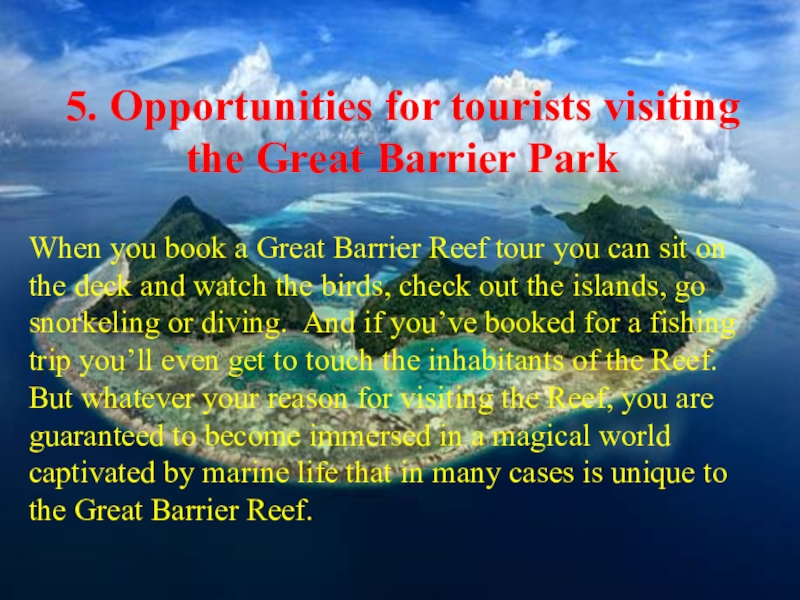
When you book
a Great Barrier Reef tour you can sit on the deck and watch the birds, check out the islands, go snorkeling or diving. And if you’ve booked for a fishing trip you’ll even get to touch the inhabitants of the Reef. But whatever your reason for visiting the Reef, you are guaranteed to become immersed in a magical world captivated by marine life that in many cases is unique to the Great Barrier Reef.
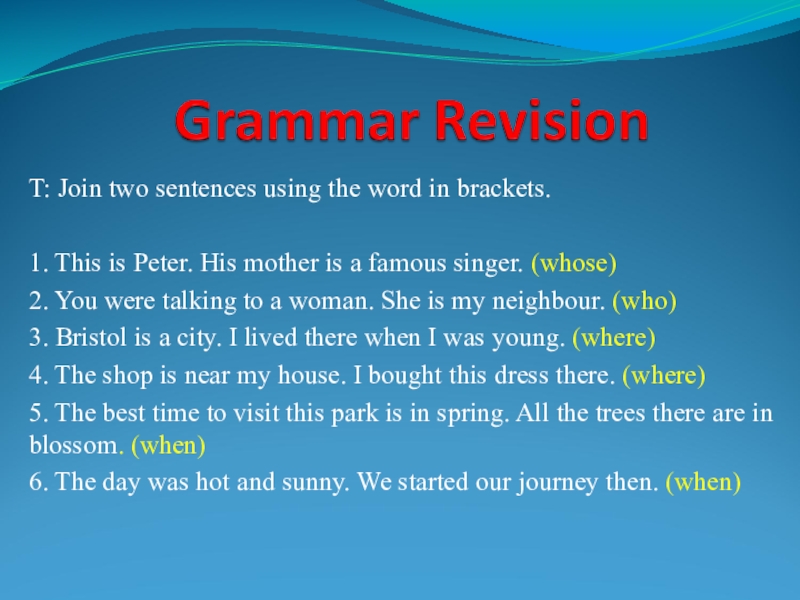
Слайд 13T: Join two sentences using the word in brackets.
1. This is
Peter. His mother is a famous singer. (whose)
2. You were talking to a woman. She is my neighbour. (who)
3. Bristol is a city. I lived there when I was young. (where)
4. The shop is near my house. I bought this dress there. (where)
5. The best time to visit this park is in spring. All the trees there are in blossom. (when)
6. The day was hot and sunny. We started our journey then. (when)
2. You were talking to a woman. She is my neighbour. (who)
3. Bristol is a city. I lived there when I was young. (where)
4. The shop is near my house. I bought this dress there. (where)
5. The best time to visit this park is in spring. All the trees there are in blossom. (when)
6. The day was hot and sunny. We started our journey then. (when)
Слайд 14Keys
1. This is Peter whose mother is a famous singer.
2. You
were talking to a woman who was my neighbour.
3. Bristol is a city where I lived when I was young.
4. The shop, where I bought this dress, is near my house.
5. The best time to visit this park is in spring when all the trees there are in blossom.
6. The day was hot and sunny when we started our journey.
3. Bristol is a city where I lived when I was young.
4. The shop, where I bought this dress, is near my house.
5. The best time to visit this park is in spring when all the trees there are in blossom.
6. The day was hot and sunny when we started our journey.