- Главная
- Разное
- Образование
- Спорт
- Естествознание
- Природоведение
- Религиоведение
- Французский язык
- Черчение
- Английский язык
- Астрономия
- Алгебра
- Биология
- География
- Геометрия
- Детские презентации
- Информатика
- История
- Литература
- Математика
- Музыка
- МХК
- Немецкий язык
- ОБЖ
- Обществознание
- Окружающий мир
- Педагогика
- Русский язык
- Технология
- Физика
- Философия
- Химия
- Шаблоны, фоны, картинки для презентаций
- Экология
- Экономика
Презентация, доклад на тему город Бирск
Содержание
- 1. город Бирск
- 2. Birsk is located to the north-west of
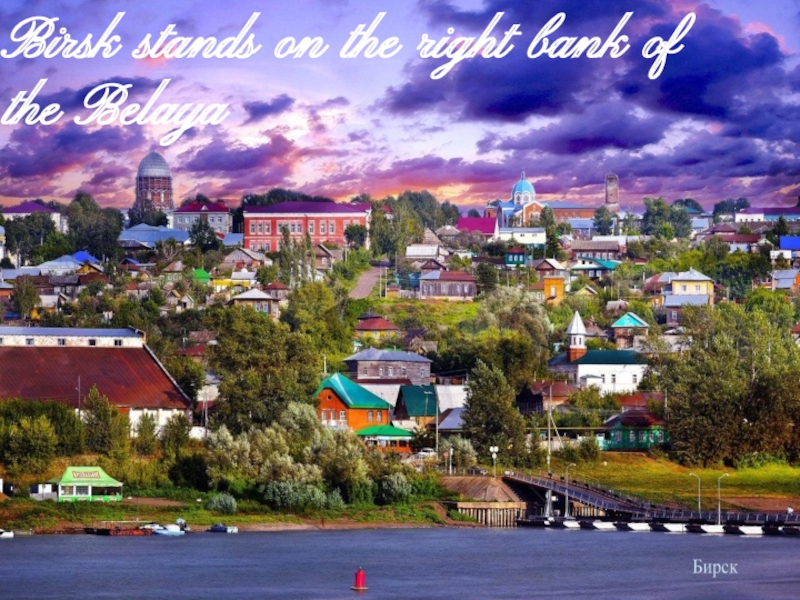
- 3. Birsk stands on the right bank of the Belaya
- 4. The Belaya
- 5. The beauty of our river
- 6. Birsk was founded in 1663 as a
- 7. Our town in old times
- 8. Our town in old times
- 9. Our town in old times
- 10. Our town in old times
- 11. St. Troytsky Cathedral
- 12. Nowadays St. Troytsky Cathedral
- 13. Nowadays St. Troytsky Cathedral
- 14. Church
- 15. Birsk coat of arms is a heraldic
- 16. Birsk coat
- 17. Слайд 17
- 18. Throughout the years some well-known people lived
- 19. Khaidia Davletshina
- 20. As a joke, Birsk is often called
- 21. The youngest in the family are the
- 22. A remarkable new tradition has recently been
- 23. FestivalFestival “Kreschenskiye Morozy”
- 24. Festival “Kreschenskiye Morozy”
- 25. Festival “Kreschenskiye Morozy”
- 26. “Kreschenskiye Morozy”
- 27. “Birsk Apple”“Festival
- 28. Слайд 28
- 29. Слайд 29
- 30. Слайд 30
- 31. Birsk townspeople are proud of Lake Shamsutdin,
- 32. Shamsutdin
- 33. Birsk today
- 34. Sports Centre
- 35. Cinema “Avrora”
- 36. A new kindergarden
- 37. Welcome to Birsk
- 38. The End
Birsk is located to the north-west of Ufa at a distance of 102 km, the town of Birsk stands on the right bank of the Belaya. It has the population of 41.000 people. Since 1963 it

Слайд 2Birsk is located to the north-west of Ufa at a distance
of 102 km, the town of Birsk stands on the right bank of the Belaya. It has the population of 41.000 people. Since 1963 it has been a town of Republication jurisdiction. Birsk can be called the cultural capital of northern Bashkortostan.


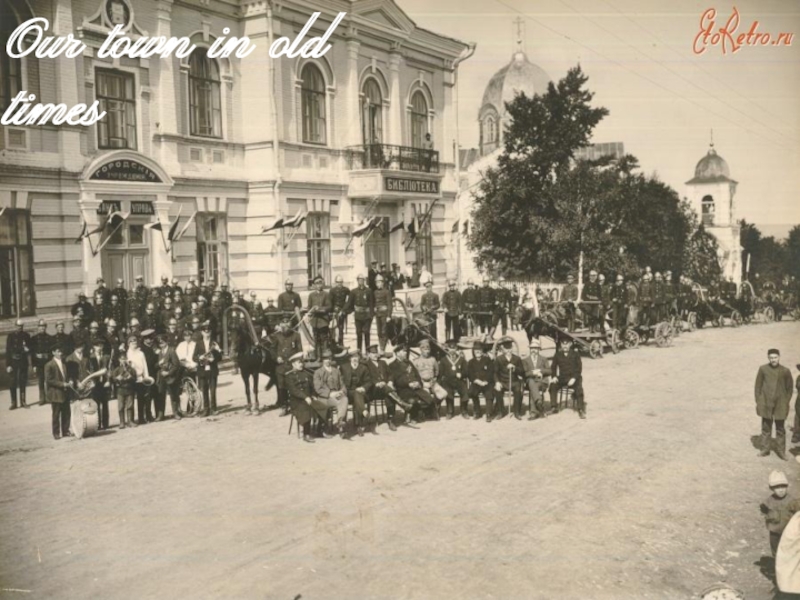
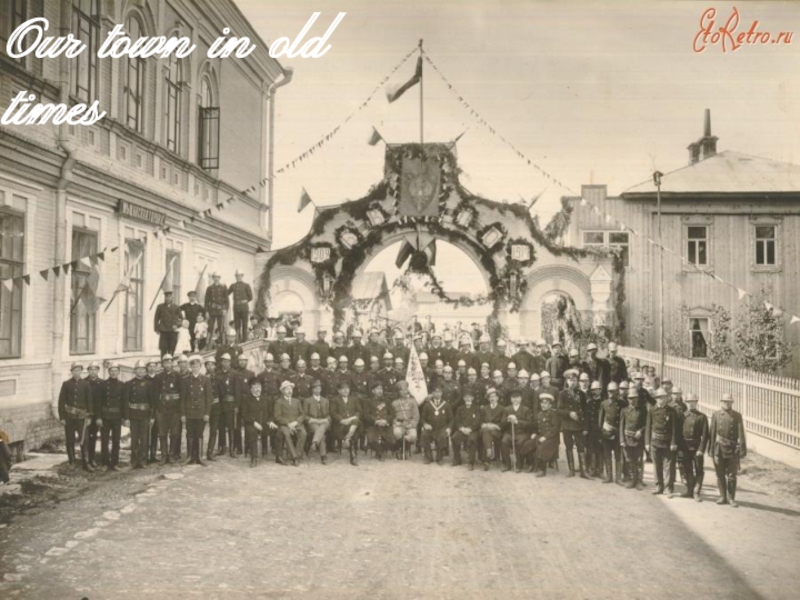
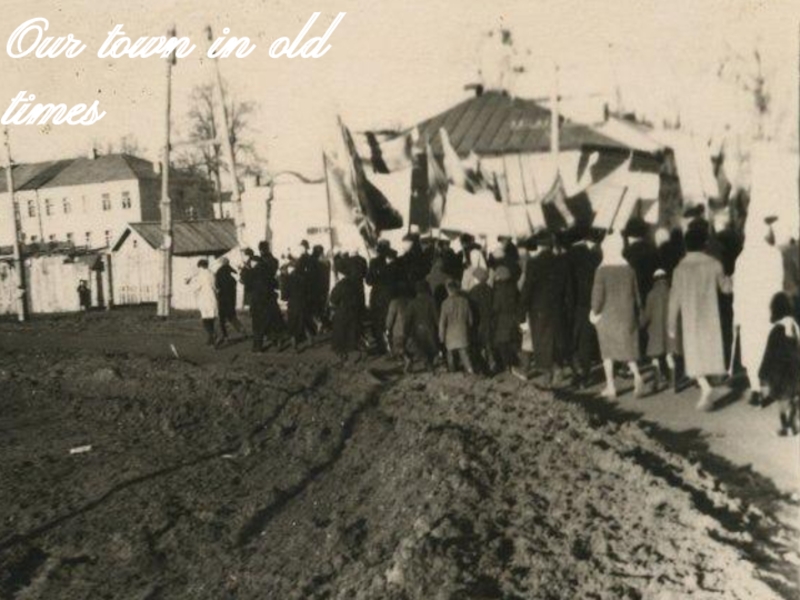
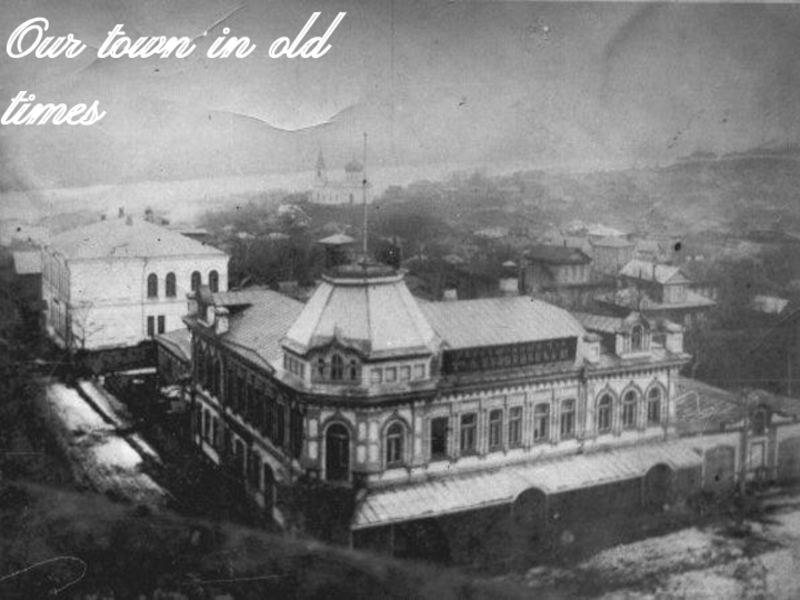
Слайд 6Birsk was founded in 1663 as a fortress-town; in 1781 it
was given the status of an uyezd town. As to the social composition of Birsk residents at the time, there were 19 merchants, 42 low middle class people (small traders, craftsmen), 63 priest, 467 retired soldiers and their children, 22 serfs and peasants in 1800.



Слайд 15Birsk coat of arms is a heraldic shield horizontally divided into
two equal parts. The upper part represents the coat of arms of the Ufa province - a running marten. The lower part represents a bird against silver ground.


Слайд 17 Birsk
is a small town a modest industry, the
town enterprises include "The White Fortress" spirits-and-vodka integrated plant (known for special brands of vodka and fruit liqueurs) , the "Sorbi" clothes factory (known for its fine quality men's and children's shirts and bed linen), the "Ceramics" enterprise (Known for its pottery and earthenware and folk crafts articles), the "Birsk electromechanical works" (transportable welding apparatuses, consumer goods), a bread-baking plant (pastry, macaroni foods, vegetable oil).
town enterprises include "The White Fortress" spirits-and-vodka integrated plant (known for special brands of vodka and fruit liqueurs) , the "Sorbi" clothes factory (known for its fine quality men's and children's shirts and bed linen), the "Ceramics" enterprise (Known for its pottery and earthenware and folk crafts articles), the "Birsk electromechanical works" (transportable welding apparatuses, consumer goods), a bread-baking plant (pastry, macaroni foods, vegetable oil).

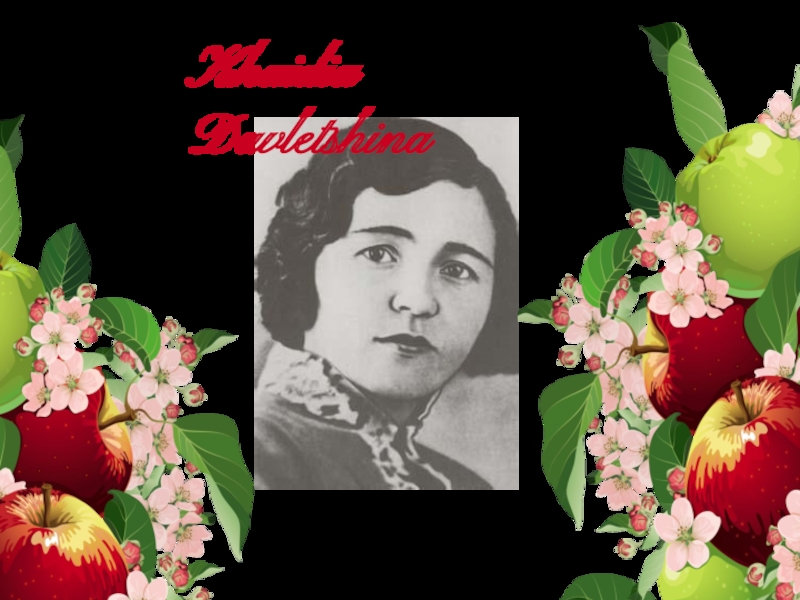
Слайд 18Throughout the years some well-known people lived in Birsk, among them
Khaidia Davletshina. Her literary heritage is not big and includes among other works the novel "Irghiz", "Aibika", a collection of short stories "Waves of Com".

Слайд 20As a joke, Birsk is often called "the town of students
and old age pensioners". Indeed, one of the so called "town-forming" or "town-planning" establishments in Birsk is the State Social-and-Pedagogical University. It was founded in 1939, which makes it one of the oldest establishments if higher education in Bashkortostan. The history of the Academy can be traced to the teacher courses of 1919 and the Bashpedtechnikum that was opened on their basis at the time foundation in 1939 it had only two faculties: that of the Russian language and literature and the faculty of physics and mathematics. Now there are 10 faculties which train teachers and mathematics , philology, biology and chemistry, foreign languages (English, French, German), pedagogics and psychology, methods of primary education, history, graphics, business, physical training.

Слайд 21The youngest in the family are the faculty of physical training
(opened in 2001), of technology and (private) business undertakings (opened in 2000), of arts and drawing (opened in 2000), of history (opened in 1998), of social psychology and pedagogics (opened in 2005). There is also a post-graduate course/study (aspirantura) in mathematics, chemistry, Russian and Soviet literature, pedagogics, English philology, 3 museums, a picture gallery, an agrobiological station, an arboretum, a student club, a sports club, a library, specialized studies and labs. The student family is 3500 students.
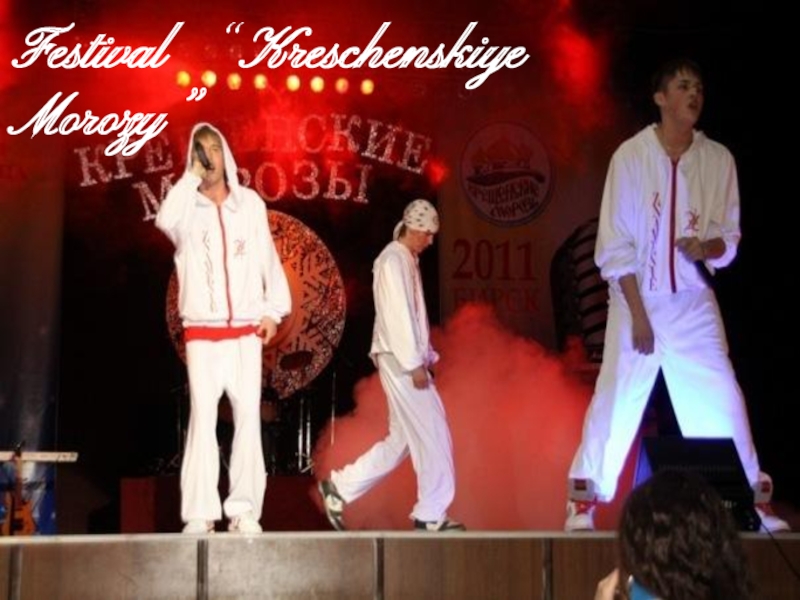
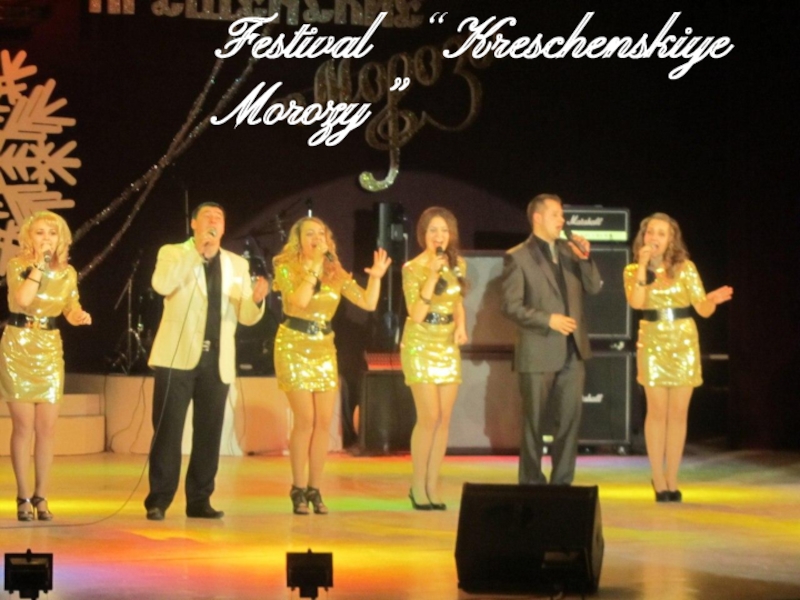
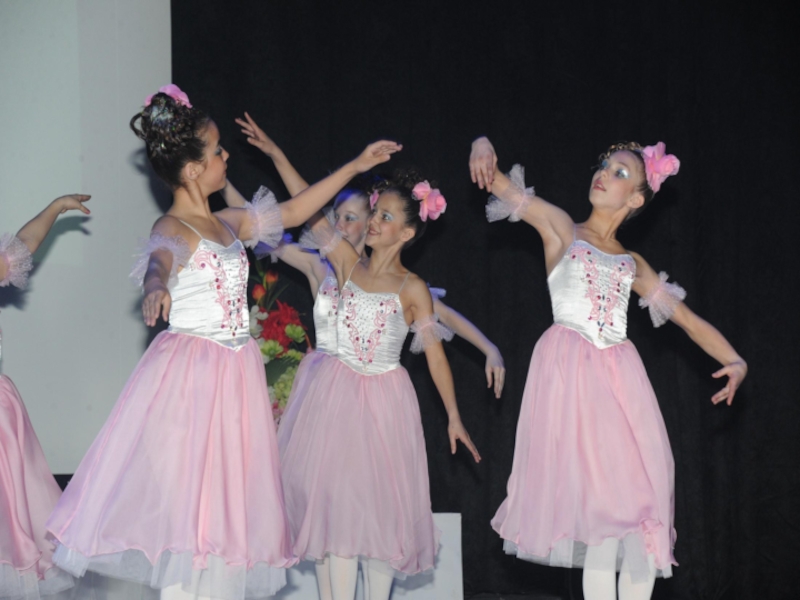
Слайд 22A remarkable new tradition has recently been established in Birsk. In
1995 the "Kreschenskiye Morozy" Festival ("Epiphany Frost") of popular music and dance for young performer s was organized for the first time. Its aim is to travel young talent and open the way to "big-Time Art".


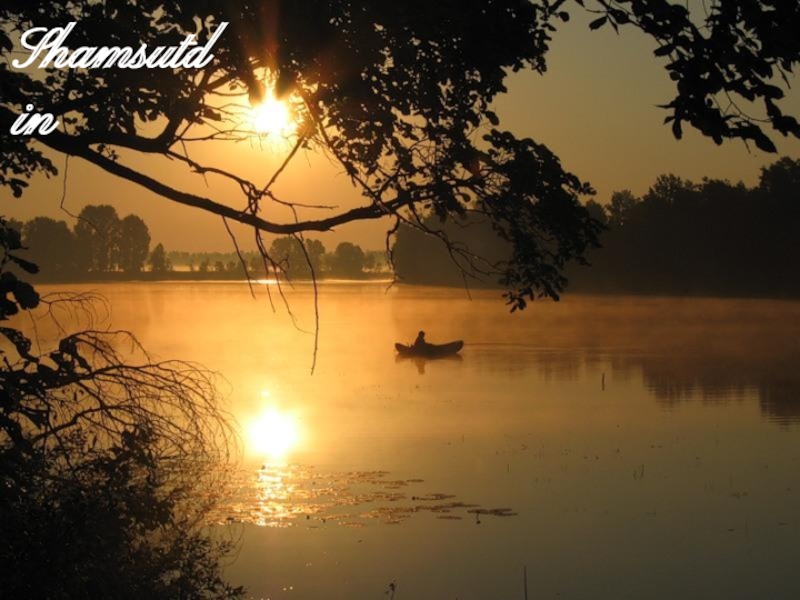
Слайд 31Birsk townspeople are proud of Lake Shamsutdin, popularly known as Shadik.
It s a beautiful S-shaped lake, 8 km long and 7m in deep. Shadik is one of the most picturesque and poetic and beauty spots in Bashkortostan, beautiful in all seasons. Dense virgin forests, still waters of the lake, exhilarating clear air - all these call forth wonderful reminiscences and woods are rich in berries, mushrooms and herbs. There are recreation centers, campings, and holidays home on its shores. In winter there is excellent skiing and ice-fishing. Townsfolk like to spend their free summer days here picnicing, camping out, bathing.